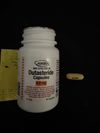
Researching the cause of hair loss and treating it by preventing DHT in the scalp with medication such as finasteride or dutasteride, estrogen, minoxidil, dermarolling, and possible topical antiandrogens.
A user is experiencing severe dandruff and hair loss, considering using ketoconazole shampoo 2% to manage these issues. They seek advice on application frequency and effectiveness, with suggestions to use it 2-3 times a week and to consider other treatments like finasteride for hair loss.
A user shared their 3-month progress using topical minoxidil and finasteride for hair loss, expressing hope for continued improvement. Others advised patience, suggesting adding micro-needling and waiting at least a year for significant results.
Users discuss switching from finasteride to dutasteride for hair loss treatment. Some report better results with dutasteride, including hair regrowth and stabilization.
A user shared their positive experience with hair regrowth after 13 months of using dutasteride and minoxidil, noting improved self-confidence and physical fitness. They reported noticeable results after 2 months, with significant improvement by 7-8 months, and no major side effects.
A user reports significant hair regrowth after 3 months using finasteride, minoxidil, microneedling, Nizoral shampoo, biotin, and vitamins. They apply minoxidil twice daily, dermaroll twice a week, and use Nizoral shampoo twice a week.
A user who had FUT surgery for 2877 grafts with Dr Jerry Wong of Hasson & Wong that resulted in low growth and an abnormally wide scar, suggesting negligence by the doctor and possibly illegal behaviour by an unqualified technician. The post sparked discussion about seeking legal action, as well as criticism of the clinic's high cost.
Rating treatments for hair loss, with the help of GPT-4, according to efficacy, evidence and tolerability; a combination of chemicals from research papers, custom compounds, and some suggestions from other users were included.
Red light therapy for hair loss is controversial, with mixed results reported. Its effectiveness may depend on device quality and proper wavelength, and it is often used with minoxidil and finasteride.
Avoid home-compounding topical minoxidil due to potential risks and complications. Use proper equipment and techniques to prevent aerosolization and ensure effective dissolution.
A 37-year-old man achieved significant hair regrowth in five months using topical minoxidil 5%, rosemary oil massages, and Nizoral 2% shampoo. His impressive results led to disbelief and admiration, with some attributing his success to being a "hyper responder."
A user stopped using 5% minoxidil and finasteride despite positive results to focus on enjoying life without the stress of hair care. They prioritize personal happiness and acceptance over hair maintenance.
A user has been experiencing hair loss since 2013 and has tried various treatments including finasteride, minoxidil, fluridil, pantostin, stemoxydine, microneedling, and Nizoral. They reported improvement after adding antiandrogens and other treatments in July of the previous year but stopped finasteride due to erectile dysfunction.
Whether topical caffeine can be as effective for hair growth as minoxidil and finasteride, with various replies discussing the efficacy of these treatments and criticism of Dr. Huberman's research methods.
In this conversation, people discussed how Minoxidil and Finasteride can be toxic to cats if ingested. It was highlighted that even when being careful with application, there is still a risk of poisoning due to the potential for contact between fur/hair and the substances.
A user's success in treating their hair loss with 2x daily topical dutasteride and minoxidil, as well as the potential for using less frequent application of topical dutasteride due to its long half-life.
A new hair loss treatment using dermal exosomes can restore up to 90% of lost hair in mice. Users discuss potential human trials and compare it to Minoxidil and Finasteride.
The conversation discusses whether to take oral minoxidil in a split dose or a single dose at night. Users suggest that taking a single 10mg dose at night is simpler, while splitting may help minimize side effects.
A 22-year-old male experienced hair regrowth using an intermittent Dutasteride regimen, oral and topical Minoxidil, FolliHair AM/PM, and Salicia KT shampoo. He stopped Dutasteride due to side effects like dry eyes and skin, but noticed increased hair shedding after stopping.
A 23-year-old male used 1.25mg finasteride every other day for 10 months without minoxidil, noticing results at the 4-month mark and experiencing a minor shed at the 8-month mark. He also added Nizoral to his routine and reported no side effects, maintaining consistent use at 7:00 PM.
The user switched from finasteride to dutasteride to address temple hair loss and obtained generic oral minoxidil. They are questioning the legitimacy of Camber's dutasteride compared to other options.
Topical dutasteride residue on pillows may cause ear redness and irritation. The user is concerned about a contact reaction from the treatment transferring to the pillow.
A user started taking 0.5 mg of finasteride daily and noticed watery semen, questioning if it's normal or if they should adjust the dosage. Another user suggested it might indicate reduced fertility and may not improve.
The user is experiencing aggressive hair loss and has been using minoxidil with initial success but is now seeing thinning again. They are considering starting finasteride and dermarolling while waiting for a dermatologist appointment.
The user has been experiencing hair shedding since February after starting finasteride in November 2025, with no noticeable improvement. They recently began using minoxidil to address the issue.
The conversation is about a 21-year-old seeking advice on managing hair loss, considering options like shaving, hair implants, or using treatments like finasteride and minoxidil. The user is concerned about self-image and the social implications of being bald at a young age.
The conversation discusses concerns about potential cognitive and emotional effects of finasteride, with the original poster planning to monitor their cognitive performance while using the treatment. A user responds that most people do not experience cognitive shifts, though some report subtle changes.
The user is experiencing hair loss and is considering using topical minoxidil and finasteride due to concerns about liver health, specifically elevated ALT levels from fatty liver. They are advised to start with topical treatments while continuing weight loss and dietary changes to improve liver function.
The user is experiencing side effects from fluridil after switching from finasteride due to severe side effects. They are uncertain whether to continue with fluridil, considering it might be their body adjusting, a nocebo effect, or a permanent issue.
Finasteride treatment is being considered, and it's advised to track DHT, testosterone, estradiol, and SHBG levels to monitor hormonal changes. These tests will help understand the treatment's impact.