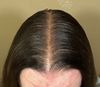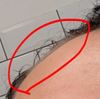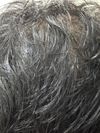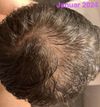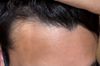
A user decided to use a hair system after 10 years of hair loss, avoiding surgery and supplements due to potential side effects. They were nervous but hopeful for natural-looking results.
A user began treating hair loss with dermastamping, castor oil, peppermint oil, biotin, and nizoral, and has started taking finasteride (generic proscar) with plans to include DIM and zinc supplements. The user aims to maintain current hair and regrow hair at the temples, and will avoid hair loss forums for a month to minimize stress.
Researching the cause of hair loss and treating it by preventing DHT in the scalp with medication such as finasteride or dutasteride, estrogen, minoxidil, dermarolling, and possible topical antiandrogens.
A user shared their experience 7.5 months after receiving 3950 hair grafts at Sule Hair Transplant in Istanbul, Turkey, with positive feedback on the transformation. The discussion included costs, recovery time, and the use of medications like finasteride and minoxidil post-transplant.
A 26-year-old male is considering switching from Finasteride to Dutasteride for more effective hair restoration, while others share experiences and advice on transitioning between these treatments. Many suggest gradually integrating Dutasteride with Finasteride to avoid shedding, and some report positive results with Dutasteride, though regrowth is not guaranteed.
A 42-year-old man achieved significant hair regrowth in seven months using oral minoxidil, oral dutasteride, topical minoxidil, microneedling, and supplements. He experienced minimal side effects and noted dramatic improvements in hair thickness and health.
A 19-year-old male is experiencing hair loss and has been prescribed finasteride by a Telehealth company. He plans to start finasteride, improve his lifestyle, and take supplements like DIM and Zinc to manage potential side effects.
The user is using oral minoxidil and dutasteride for hair loss and observed changes in blood pressure after taking oral minoxidil. They experienced no visible symptoms from topical minoxidil, finasteride, or other treatments and are seeking feedback on whether these blood pressure changes are typical for oral minoxidil users.
Topical dutasteride is more effective than oral finasteride for male pattern hair loss, with fewer side effects. Some prefer oral treatments for convenience, while others use topical solutions like minoxidil and dutasteride, sometimes with microneedling, for better results.
A homemade topical solution of finasteride and minoxidil effectively stopped hair shedding and promoted regrowth without side effects. Users shared experiences and discussed different concentrations and application methods.
Oral minoxidil can cause side effects like shortness of breath and constipation, which may be reduced by taking it in the morning. Some users experience no side effects, while others switch to topical treatments or adjust their dosage and timing to manage symptoms.
The user has been using finasteride for 1 year and 7 months and oral minoxidil for 6 months, noticing peach fuzz that may turn into terminal hair. The user has experienced no side effects and is considering additional treatments like dermarolling and possibly increasing the minoxidil dose.
Switching from finasteride to dutasteride caused significant shedding but minimal side effects. The user plans to continue dutasteride for 12 months despite concerns about hair density.
Minoxidil's effectiveness is limited by the need for sulfation and proper transport to hair follicles, with tretinoin potentially enhancing its effects by promoting enzyme activity and keratinocyte differentiation. Tretinoin may improve minoxidil's response by boosting the expression of necessary enzymes and transporters.
A 23-year-old is struggling with hair loss despite using minoxidil, finasteride, and dutasteride, and is considering increasing the dutasteride dosage. They are advised to try ketoconazole or salicylic acid shampoo for an oily scalp and consider microneedling.
A Dutasteride Simulator predicts serum dutasteride, serum DHT, and scalp DHT levels using models from research papers. It simulates various dosing schedules to determine steady-state effects and visualizes outcomes, including hair growth-related scalp DHT suppression.
Scalp biopsies are crucial for diagnosing hair loss conditions like Diffuse Unpatterned Alopecia (DUPA) and retrograde hair loss, as treatments like finasteride and dutasteride may not be effective if other conditions are present. Combining PPAR-GAMMA agonists with retinoids could improve treatments for conditions like Lichen Planopilaris.
The user is treating hair loss with a regimen including Dutasteride, oral and topical Minoxidil, microneedling, and various supplements for overall health. They are considering adding tretinoin, stemoxydine/RU, DIM, Boron, and Fadogia Agretis to their routine.
The conversation is about regretting not starting hair loss treatments like finasteride earlier, with some users considering beginning treatment now. Specific treatments mentioned are finasteride (Fin) and minoxidil (Min).
A user shared their positive experience with a hair transplant of 3500 grafts, showing significant improvement in appearance after 5 months. They underwent the procedure at Heva Clinic in Istanbul for $2,300 USD, which included aftercare, and attributed their hair loss to both genetics and traction alopecia from tight hairstyles.
The safety and effectiveness of RU-58841 as a hair loss treatment, with some users reporting side effects like chest pains, while others had positive results. The original research on RU-58841 was likely stopped due to financial issues, not safety concerns.
The "Big 3 Stack" for hair loss treatment, which includes Minoxidil for hair density improvement, Ketoconazole shampoo for enhancing hair volume and thickness, and Finasteride for blocking hair loss causing hormones. Microneedling can boost Minoxidil's effects.
The conversation is about hair transplants and the perception that they often look unnatural, especially in the first few rows of hair. There is a debate about whether it's better to choose a cheaper clinic in Turkey or a more expensive one in the USA, with some arguing that experience and skill matter more than cost.
A user's experience with hair loss regrowth, achieved through the use of 1mg finasteride, 5% Minoxidil, an essential oil blend, and microneedling once per week, as well as other treatments like warm water washes, baby shampoo, and OGX coconut conditioner. Other users shared their experiences with similar treatments and congratulated the original poster on his results.
The user's experience taking Pyrilutamide, a drug for hair loss treatment, and their use of it in combination with other treatments such as Minoxidil, Finasteride and RU58841. They have experienced positive results so far with no major side effects.
Individuals with oily scalps, dandruff, and diffuse thinning hair loss who have managed to either halt the loss or regrow their hair by using topical finasteride and minoxidil as well as microneedling and ketoconazole 2% shampoo.
Pyrilutamide, a potential topical treatment for male pattern baldness, and the user's anticipation of its Phase 2 trial results. Several users discussed their experiences with Finasteride and RU58841, while others voiced skepticism about the efficacy of Pyrilutamide.
Experimenting with the effects of creatine and finasteride on DHT levels, as well as a discussion regarding the potential link between creatine supplementation and hair loss.
The conversation is about a group of people trying KX-826 for hair loss, with no serious side effects reported after 25 days of use. Some participants are experiencing less scalp itch and shedding, but it's too early for definitive results.
User experiencing hair loss on dutasteride; others suggest shedding is normal and to track progress with pictures. Some mention using RU58841 for improvement.