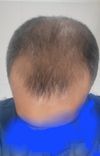
User shared 13 months of progress using finasteride, microneedling, vitamins, and scalp care, and recently started stemoxydine. The post includes before and after photos.
PP405 is a potential hair loss treatment that inhibits mitochondrial pyruvate carriers, increasing lactate dehydrogenase activity and stimulating hair follicle stem cells. In a phase 1 trial, 31% of participants showed over 20% hair density increase with PP405 treatment.
A Phase 1 update for the HMI 115 clinical trial, which involves 16 participants and is expected to end in July 2023; as well as changes to the recruitment process, including treatment protocols with Minoxidil, Finasteride, and RU58841.
The user is exploring hair loss treatments in China, currently using finasteride and minoxidil, and is concerned about seborrheic dermatitis. Clinics are recommending selenium sulfide, doxycycline, and mesotherapy ampoules like PT88/PT66 or SP88/SP66, but the user is unsure about their effectiveness.
Eucapil is discussed as a potential hair loss treatment with some believing it to be effective, though its efficacy compared to finasteride is debated. It is considered an anti-androgen treatment, often used alongside other treatments like minoxidil and finasteride, but lacks independent studies to fully support its effectiveness.
Mixing RU58841 with cetosomal minoxidil is discussed due to scalp irritation from ethanol PG vehicles. A mixture of the two turned bright pink when left to dry.
The conversation discusses the potential of using topical estrogen treatments for hair loss without systemic absorption, highlighting challenges and possible solutions like using estriol. It also mentions other treatments like topical finasteride, microneedling, and scalp massage, while noting the limitations and side effects of current options.
A user shared their 2-month progress on hair regrowth using oral minoxidil, oral finasteride, and topical minoxidil with pyrilutamide. They reported seeing tiny hairs growing and no side effects from finasteride so far.
A user shared progress pictures showing significant hair regrowth after using 1mg finasteride and weekly microneedling for about 2.5 to 3 months. The user reported no side effects and maintained good health and mood.
Pyrilutamide's effectiveness is questioned due to overstated claims and previous trial ineffectiveness, with some users opting for finasteride instead. Despite skepticism, some consider adding pyrilutamide to their regimen alongside treatments like bicalutamide.
The conversation discusses using verteporfin for hair regrowth and minimizing scarring after hair transplants. Some individuals plan to self-administer verteporfin, potentially in combination with microneedling, as an alternative to hair transplants.
The conversation is a satirical discussion about using a dermaroller on the penis, with mentions of adding finasteride and doing exercises like cock pushups and planks. Some users joke about side effects and the absurdity of the topic.
Dutasteride mesotherapy in women with metabolic syndrome accelerated hair loss after initial regrowth, while women without metabolic syndrome saw continuous regrowth. The user with mild insulin resistance is hesitant to try topical dutasteride and seeks experiences from others with insulin resistance.
A 31-year-old experiencing rapid hair loss is considering whether to shave their head or use treatments. They were prescribed B12, topical finasteride 0.1%, and minoxidil 10% but are unsure about the correct dosage and potential side effects.
A user's experience with Pyrilutamide, which they have been taking for 3 months to treat their aggressive male pattern baldness. The user reported that the medication decreased shedding and was hopeful it would work as advertised.
Hair loss treatment using minoxidil and finasteride, with the user experiencing a shed after reducing the frequency of application and stopping microneedling. The user is now waiting for new hair growth and hoping to see similar results as before.
PP405 shows some hair growth after 4 weeks, but results are debated and expectations should be tempered. Some users compare it to minoxidil or finasteride, questioning its effectiveness and commercialization timeline.
A 7-month update of hair regrowth achieved by using daily topical finasteride and minoxidil, combined with weekly microneedling. It is also noted that the results are different for females.
The user applies a topical solution containing minoxidil, finasteride, dutasteride, retinoic acid, and hydrocortisone to address scalp inflammation and is considering adding cetirizine to the mix. They are calculating the correct amount of cetirizine to add to their formula and have paused this approach to retry oral minoxidil.
A 19-year-old trans man has been using Finasteride 1mg for a little over two months and is concerned about worsening hair loss, noting a fuzzy and soft hairline and crown. The user is upset as the hair loss appears worse than before starting the treatment.
The user shared progress pictures showing improvement in hair growth after one year of using finasteride and minoxidil. They are considering microneedling to further improve their hairline and have chosen to use a derma stamp.
The user experienced significant hair regrowth using a combination of minoxidil, finasteride, various serums, and micro-needling, leading to increased confidence and consideration of a hair transplant. Despite initial baldness due to past health issues, the user is pleased with the progress and continues to use treatments like Pilgrim, Md Hair, Bodywise Roller, and Bouf serums.
A user reported significant hair improvement using oral minoxidil, Rogaine 5%, and spironolactone but experienced worsening PMS. They seek advice on managing the PMS symptoms.
A user is starting treatment for hair loss with topical minoxidil, oral finasteride, and is considering adding topical latanoprost but is unsure about the application frequency and method for latanoprost. They are seeking advice from others with experience using these treatments.
The conversation discusses the potential benefits of adding Vitamin B6 (P-5-P) to topical hair loss treatments like RU58841, finasteride, or minoxidil. The user suggests that Vitamin B6 might enhance these treatments by naturally lowering scalp prolactin.
Minoxidil 0.5% MMP® showed better results in parietal-vertex regions for less advanced female pattern hair loss compared to Minoxidil 5%. MMP® with Minoxidil can improve the quality of life for these patients.
Federal funding cuts have delayed PP405 research, affecting hair loss treatment progress, though clinical trials will continue. The discussion highlights PP405's potential compared to minoxidil and finasteride and stresses the importance of government-funded research.
The post is about a user's progress in treating hair loss using HIMS FIN/MIN spray and dermarolling. One user suggests taking the 1mg finasteride pill instead of using the topical spray, while another warns against microneedling every day.
Verteporfin shows promise in donor hair regeneration after 84 days. Combining Finasteride, Minoxidil, and Pyrilutamide with unlimited hair transplants is seen as a potential near-cure for hair loss.