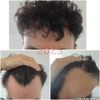
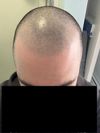
Counterfeit minoxidil is a concern, with users suggesting buying from reputable sources like Costco to ensure authenticity. A bleach test can help verify genuine minoxidil.
A 21-year-old has been using finasteride for 6.5 months, starting with 0.25 mg daily and increasing to 0.5 mg, experiencing improved hair quality and no significant side effects. They have not used minoxidil due to convenience and health reasons, and they noticed progress in hair growth, particularly at the crown, after about 4 months.
The user has been using dutasteride and finasteride but still experiences hair loss and high DHT levels. They plan to try topical finasteride and RU58841 while continuing dutasteride to see if topicals are more effective.
Kintor's phase III trial for pyri (KX-826) showed promising safety and efficacy results, with no drug-related sexual dysfunction reported. Users discussed their experiences with pyri, Minoxidil, Dutasteride, and concerns about the validity of the study results.
The user has been using finasteride (1mg daily) and oral minoxidil (2.5mg) for 2.5 years to treat diffuse thinning hair, with no side effects reported. They are satisfied with the progress, noting that the treatment has slowed hair loss and costs about £30 a month.
People are discussing JXL-069 (PP405) for hair loss, with some experimenting with a 0.05% topical gel. Concerns about safety and efficacy persist due to limited testing and lack of official approval.
A 23-year-old has been using finasteride 5mg daily since age 19 and added dutasteride 0.5mg twice a week to prevent hairline recession. They report no side effects and credit early treatment for maintaining their hair.
Way-316606 is considered a potential hair loss treatment but is avoided due to safety concerns and lack of research. Minoxidil and Finasteride are preferred as established treatments.
Dutasteride is more effective than finasteride for hair loss as it blocks more of the enzyme causing hair loss. New treatments like stem cell therapies and alternatives to minoxidil are being explored, but major advancements are still years away.
Microneedling's effectiveness for hair growth is debated, with some suggesting it enhances minoxidil absorption, but evidence is inconclusive. Concerns exist about its impact on hair transplants, and opinions vary on its use with other treatments like RU58841 and stemoxydine.
A 28-year-old male with a family history of baldness is deciding whether to start finasteride now or wait for visible hair changes. He is considering starting finasteride immediately to proactively address potential hair loss.
Finasteride is debated for causing dry eyes, with some users experiencing relief after stopping it, while others find no connection. Topical treatments like dutasteride and minoxidil are suggested as alternatives, with advice to consult medical professionals.
Dutasteride may not be effective for everyone due to underlying issues, suggesting scalp biopsies for further diagnosis. Users discuss using higher doses of dutasteride, topical treatments, minoxidil, and pyrilutamide for hair loss management.
The user has been using finasteride, minoxidil, and ketoconazole for hair loss, showing good progress without significant side effects. They plan to have a hair transplant in March and hope to eventually stop using oral minoxidil.
Topical minoxidil and oral finasteride can effectively improve hair growth and slow hair loss, though results may vary. Consistency is important for achieving significant improvement.
A user is developing a tool to track hair density, aiming to help those using treatments like minoxidil. They seek feedback on the tool's usefulness and are considering a low-cost model to cover expenses.
The conversation is about a user who experienced significant hair recovery using 5% Minoxidil and 0.1% Finasteride, specifically with the Traya brand. The user emphasizes consistency and early treatment for effective results, noting improvements in hair volume and some side effects like dry scalp.
The user experienced hair loss and side effects from finasteride, switched to dutasteride and oral minoxidil, and saw improvements in beard and body hair but continued hair loss on the head. They plan to continue treatment and consider a hair transplant to improve results.
A user recommends a roll-on applicator for applying Minoxidil directly to the scalp, which is useful for those with some hair volume. Others discuss different application methods, including electric applicators and using hands or a hair massager.
A 36-year-old man is considering starting oral finasteride and minoxidil, using ketoconazole shampoo, and possibly getting a 3000-graft FUE hair transplant. He previously had scalp micropigmentation but is now exploring medication due to fewer concerns about side effects.
The user is experiencing daily hair loss and is considering trimming their hair to manage scalp cleanliness due to excessive sweating. They are seeking advice on how much to cut, preferring a short style similar to a classic military haircut.
Finasteride is reported to work for 90% of men, but online opinions often claim it doesn't work. A user mentioned it can increase hair count by 40% per square centimeter.
The user shared 16 months of hair loss treatment progress using finasteride, oral and topical minoxidil, dutasteride, ketoconazole shampoo, and multivitamins. They are not currently planning a hair transplant but are considering it in the future.
A 36-year-old male using dutasteride and minoxidil has seen significant hair regrowth, confirmed by a dermatologist and supported by before-and-after photos. He plans to increase his oral minoxidil dosage and add dermapen to his routine.
A 20-year-old is using minoxidil for hair regrowth and considering finasteride despite concerns about side effects. Many suggest adding finasteride to maintain gains, with recommendations to start with a low dose or use a topical form to minimize side effects.
A teenager experiencing hair loss is using minoxidil, a derma roller, and plans to add ketoconazole shampoo to their routine. They are advised to continue this regimen consistently for at least six months to see results, with the shedding being a normal part of the process.
David Lynch is remembered for his impressive hairline, sparking discussions about genetics and hair loss. Users humorously speculate on hair loss treatments and genetics, mentioning names like Minoxidil and finasteride.
RU58841 is used topically to prevent hair loss by blocking DHT, with suggestions to drink grapefruit juice, take breaks, avoid microneedling, and use lower concentrations to reduce side effects. Users discuss applying it at night to minimize systemic absorption.
A 31-year-old male is using a hair loss treatment routine that includes daily 0.5mg dutasteride, 5% minoxidil, microneedling, biotin, vitamin D, omega-3 supplements, and alternating shampoos to restore hair density. He reports no side effects or noticeable regrowth yet but feels optimistic about the process.
An 18-year-old is using a high-dose hair loss treatment regimen including finasteride, minoxidil, dutasteride, and plans to add RU58841 and bimatoprost, despite warnings from others about the risks. The user is determined to reverse hair loss but acknowledges the potential dangers and does not recommend others follow their approach.