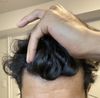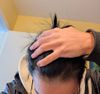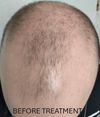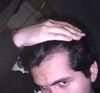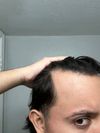
The user had a hair transplant on the front hairline and started taking Finasteride and Dutasteride. Observers noted progress and improvement in the scalp and crown area.
The user has been using oral minoxidil and finasteride daily for 96 days and has noticed progress in hair regrowth, particularly on the crown. Suggestions include continuing the treatment, adding micro-needling, and possibly using tretinoin and dutasteride.
Stopping finasteride and minoxidil can cause significant hair shedding, so they should be continued indefinitely. Concerns about finasteride affecting fertility or causing birth defects are mostly unfounded, but some stop for personal reasons.
The user has been taking oral tablets of 1.1mg finasteride and 2.5mg minoxidil since February 2025, resulting in slightly denser hair, though some areas remain thin. They are planning a hair transplant in February 2026.
Missing 15 days of finasteride and minoxidil may cause some hair loss, but resuming treatment should help regrow hair. It's important not to miss doses to avoid potential setbacks.
The conversation discusses starting hair loss treatments and concerns about side effects. Treatments mentioned include Minoxidil, finasteride, and RU58841.
The conversation discusses making oral minoxidil from minoxidil powder as a backup plan due to the unavailability of packaged oral minoxidil in Turkey. The user has a capsule machine and some chemistry knowledge but lacks professional equipment.
A 44-year-old user experienced hair regrowth using a topical spray combining 0.3% finasteride and 7% minoxidil after switching from oral finasteride due to side effects. The user reported noticeable improvements in hair thickness after four months without any side effects from the topical treatment.
Dutasteride 0.5 mg significantly reduces both scalp and hair follicle DHT, with a greater reduction in hair follicle DHT. The discussion questions which reduction is more important for androgenetic alopecia and diffuse thinning.
The user experienced significant eyebrow and eyelash growth after starting a hair loss treatment routine that includes oral minoxidil, oral dutasteride, topical minoxidil, Nizoral shampoo, microneedling, and supplements. They also reported positive scalp hair gains and no significant side effects.
The user is considering switching from finasteride to dutasteride due to side effects like brain fog and lower libido. They experienced hair regrowth with finasteride but are concerned about potential side effects of dutasteride.
A 36-year-old achieved significant hair improvement and stability over 26 months using oral finasteride, minoxidil foam, microneedling, and ketoconazole shampoo, with no side effects. Patience and consistency were crucial for increased hair density and reduced shedding.
Several users shared their experiences with hair loss treatments, including Minoxidil, Finasteride, and microneedling, reporting varying degrees of hair regrowth. Despite some skepticism, users noted visible improvements over time, with some considering hair transplants as a future option.
The user has been using 0.25 mg of finasteride daily for 5 months to address hair thinning and is seeking advice on whether to continue this regimen or adjust it. They have not used minoxidil and are considering whether finasteride alone can stabilize or improve their hair condition.
SCUBE3 is a promising new molecule that can restart hair growth by reawakening dormant hair follicles. Users express skepticism about its availability timeline, with some hoping for release by 2026.
A 21-year-old male has been using dutasteride, minoxidil, ketoconazole shampoo, and microneedling for hair loss, with plans to increase minoxidil dosage. He is experiencing no side effects and is planning a trichoscopy to assess hair regrowth.
The user experienced hair shedding after 1.5 years on finasteride, with initial improvements followed by a decline. It is suggested to continue finasteride and consider adding topical minoxidil to support hair growth.
The user shared progress pictures of hair loss treatment using finasteride, minoxidil, and microneedling, expressing hope for recovery after an 8-9 month break. They seek advice on restarting treatment and are optimistic about regaining previous results.
The user is experiencing increased hair miniaturization despite using oral minoxidil, dutasteride, and microneedling. They are considering reintroducing finasteride and adjusting dutasteride dosage.
A user humorously shared their appearance three days after a hair transplant, sparking jokes and memes about their head shape. They remained positive, acknowledging the swelling and hoping for improvement.
The user is concerned about a receding hairline and is seeking advice on whether it can be saved. Treatments like Minoxidil, finasteride, and RU58841 are discussed as potential options.
The conversation discusses switching from topical to oral minoxidil from Healing Pharma, with concerns about the brand's legitimacy. A user reported hair regrowth using a lower dosage of oral minoxidil and finasteride from the same company.
A 21-year-old male experienced significant hair regrowth using minoxidil 5% topical, oral finasteride 1mg, derma stamping, and ketoconazole shampoo over several months. He reported no side effects and remains optimistic about further progress.
A 30-year-old male is using dutasteride, minoxidil, ketoconazole shampoo, and various supplements for hair loss, reporting no sexual side effects but experiencing tinnitus. He stopped microneedling and tretinoin cream, saw quick results, and experiences low-intensity shedding.
A 31-year-old man successfully used oral minoxidil and finasteride for hair regrowth over eight years, experiencing minimal side effects like initial shedding and increased body hair. He credits these medications for preserving his hair despite a family history of baldness.
The conversation discusses hair loss and hairstyles for balding men, with some users suggesting treatments like Minoxidil, finasteride, RU58841, and dutasteride. The focus is on embracing unique hairstyles instead of shaving, with mixed opinions on their appeal.
The user is experiencing continued hair loss despite using minoxidil, finasteride, tretinoin, and microneedling. They are considering a hair transplant due to lack of response to current treatments.
Fucoidan may help regrow hair and reduce inflammation in androgenetic alopecia. It is unclear if simply mixing fucoidan powder into a serum for application is effective.