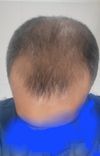
PP405 may damage hair follicles if used long-term, suggesting cycling might be necessary. Combining it with finasteride could help maintain hair growth.
A user shared their experience with DIY PRP scalp injections for hair regrowth, using an EZ Injector and other at-home equipment. Another user reported success with at-home PRP treatments for 1.5 years, noting thicker hair and a stable hairline.
People are discussing the use of an untested hair loss treatment called PP405, which is not available on the grey market. Some users are trying a mimic formulation called HP3, reporting thicker hair but no new growth yet.
The conversation is about the anticipated results of Pelage's Phase 2a clinical trial for their topical hair loss treatment, PP405. Users speculate on when the results will be available, noting that delays might indicate less successful outcomes.
Treating Seborrheic Dermatitis, a fungal scalp condition which can cause hair loss. Treatments discussed include antifungal shampoos, cold showers, exfoliating the scalp, taking Vitamin D, and stimulating the prostate through the anus.
Using 2% ketoconazole daily can dry out the scalp; 1-2 times a week is recommended. Combining ketoconazole with treatments like minoxidil, alfatradiol, and fluridil can help manage hair loss effectively.
PP405 may not need daily use like minoxidil, but finasteride might still be needed to maintain hair regrowth. PP405 reawakens dormant hair follicles, potentially offering a long-term solution, though not a permanent cure.
The user improved their hair density and reduced scalp visibility by using 1% ketoconazole shampoo, 1mg finasteride, and 5% minoxidil, which increased their confidence. Replies discuss the effects of these treatments, with one clarifying that minoxidil does not affect hormones but finasteride does.
Probiotics like L. reuteri ATCC PTA 6475 and B. longum BB536 may improve hair growth and density by reducing inflammation and reversing DHT damage. The user is trialing these probiotics personally, ordering them from the U.S. to Canada, and plans to continue if no adverse effects occur.
Mixing Nizoral and T-Gel in a 1:1 ratio and using it three times a week provided relief from persistent seborrheic dermatitis. This treatment is recommended for those with stubborn SD.
The conversation is about a user considering the use of Ketoconazole 2% shampoo before showing signs of male pattern baldness (MPB) to potentially delay its onset, inspired by a YouTuber who uses the shampoo to reduce scalp DHT levels. The user's interest in this preventative measure stems from a family history of MPB.
The user is experiencing hair shedding after using a multipeptide hair growth serum and is concerned about losing baby hair. They are questioning whether they should stop using the serum due to this shedding.
The conversation is about dealing with dry scalp caused by using Nizoral shampoo. Suggestions include using medicated scalp solutions, drinking more water, trying different shampoos and conditioners, and using oils like coconut or olive oil.
The conversation is about finding a suitable hairbrush for diffuse thinning hair without causing separation or flattening. The user is using oral dutasteride, minoxidil foam, Nizoral, microneedling, and Pura D’or shampoo and conditioner.
RU58841 worsened hair condition, causing thinning and unusual patterns. The user stopped using it two months ago but hasn't seen recovery, and there's speculation about androgen receptor upregulation.
Clascoterone 5% shows promising hair growth results but is criticized for high cost and unclear effectiveness compared to other treatments like finasteride. Glenmark is testing a combination of Clascoterone 7.5% and Minoxidil 5% in India.
Minoxidil is typically applied once daily, with some users opting for foam to minimize irritation. Users often combine it with finasteride or use oral minoxidil for improved results, while managing scalp irritation with ketoconazole or salicylic acid shampoos.
The conversation discusses a person's 4-month hair loss treatment regimen using topical minoxidil, finasteride, ketoconazole, a dermastamp, and rosemary and peppermint oils. Progress pictures are shared to show the results.
The conversation is about applying 2% Ketoconazole to the scalp for hair loss treatment. It suggests using conditioner afterward due to its drying effect.
A 31-year-old experiencing rapid hair loss is considering whether to shave their head or use treatments. They were prescribed B12, topical finasteride 0.1%, and minoxidil 10% but are unsure about the correct dosage and potential side effects.
Pumpkin Seed Oil and Perilla Oil (with alpha-lipoic acid, linoleic acid, and oleic acid) are discussed as potential 5alpha-reductase inhibitors. The conversation focuses on their effectiveness for hair loss treatment.
Breezula® (Clascoterone) showed promising results in a Phase 2 trial for treating hair loss, being as effective as Propecia with no serious side effects. It might be released between 2021-2022, and a related acne treatment with the same active ingredient could be used in the meantime.
Finasteride is key for hair regrowth, supported by oral/topical minoxidil, Folexin, Nizoral/Head & Shoulders, and vitamin D. No side effects experienced; early intervention and patience are crucial.
PRP treatment for hair loss shows some evidence of effectiveness, with HT surgeons using it post-op to promote growth. Microneedling is mentioned as a cheaper alternative.
A user is concerned about the legitimacy of a hair growth serum called Lavdik, which they ordered after seeing an ad for Jemros. The product contains ginger extract, ginseng extract, fleece flower root, grape seed oil, glycerol, carbomer, propylene glycol, and rosemary oil, and the user is unsure if it is effective or a scam.
PP405 is a potential hair loss treatment that may work by blocking signals that cause hair cells to stop growing, requiring daily application for effectiveness. It could serve as an alternative to minoxidil and finasteride, but it is not yet available on the market and may take several years to be released.
A female user is seeking a DHT blocker without Selenium or Zinc due to hair breakage and is currently using Saw Palmetto, Nature's Bounty Hair, Skin and Nails, Pumpkin seed oil, Dermastamp, and Pura D'or products. She has tried Minoxidil without success and is considering Finasteride but prefers natural options first.
The user plans to treat hair loss with topical minoxidil mixed with caffeine and melatonin, keto shampoo, and oral saw palmetto. They aim to stimulate hair growth, block DHT, and prolong the growth phase without using finasteride or dutasteride.