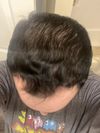
Quitting smoking led to reduced hair loss for the original poster, who also used finasteride and topical minoxidil. Other users shared mixed experiences with smoking and hair loss, with some noticing improvements after quitting and others seeing no change.
The user reports losing a significant amount of hair when applying RU58841 and Minoxidil but loses much less hair when massaging or brushing without these treatments. They are concerned about the increased hair loss associated with these products.
The conversation is about finding shampoos that add volume and promote healthy hair growth without harsh chemicals. The user from India uses an ayurvedic Aloe Vera shampoo and washes their hair once a week.
Natural remedies to treat hair loss, such as polyphenols, apple peel extract, grape seed extract, green tea extract, peppermint oil, pumpkin seed oil, apigenin, Ginkgo biloba, red clover extract, olive leaf extract, Ecklonia Cava and Grateloupia elliptica. In addition, terpenes, carotenoids, and tocopherols were discussed as potential treatments.
Mixing charcoal, Ketoconazole, and caffeinated shampoo is questioned for potential interaction, specifically if charcoal inactivates other ingredients. Charcoal is used for seborrheic dermatitis, while caffeine is thought to improve scalp blood flow.
Using ketoconazole shampoo can cause hair dryness, especially when combined with Minoxidil. Users suggest using conditioner, adding oils like rosemary and peppermint, or reducing shampoo frequency to mitigate dryness.
The conversation discusses reducing hair fall by addressing dandruff with anti-dandruff shampoo, regular oiling, and stress management through meditation and yoga. Other users mention using ketoconazole, vitamin D, and finasteride, with some experiencing side effects.
The conclusion of the conversation is that some individuals may experience a condition called reactionary hypergonadism when taking dutasteride for hair loss. This condition can lead to an increase in testosterone levels, which may worsen hair loss instead of improving it.
Users discussed experiences with Everychem's solution similar to PP405 for hair loss, noting some positive results like increased hair thickness and new growth. There was skepticism about the product's legitimacy and safety, with some users reporting early signs of effectiveness and others expressing concerns about the lack of evidence and safety profiles.
The conversation discusses whether whey protein and creatine worsen hair loss. Some users report hair loss with creatine use, while others do not; opinions on whey protein's effects are mixed. Treatments mentioned include PRP, minoxidil, and finasteride.
The conversation discusses using minoxidil for hair growth and asks for recommendations on shampoos, conditioners, and other products to support hair growth and stop hair loss. It also inquires about the frequency of washing hair and the effects of using oils like coconut oil on pores.
The user is considering starting minoxidil or getting their scalp checked for permanent scarring due to noticing thinner hair after bleaching. They are seeking advice on hair loss remedies.
A female user is experiencing hair loss from the root and dead ends, likely due to post-partum effects, ankylosing spondylitis, and low iron. She seeks advice on improving hair health before going fully blonde.
Setipiprant may help with hair maintenance but is not a guaranteed solution for everyone. Other treatments like minoxidil, finasteride, and topical spironolactone are discussed, with varying opinions on their effectiveness.
A user on dutasteride for hair loss noticed hair regrowth on their head but a significant reduction in body hair growth. They plan to switch to finasteride and dutasteride and are considering testosterone replacement therapy but are concerned about its effects on hair growth.
OP shares their experience with PCOS-related hair loss, highlighting that addressing vitamin D and ferritin deficiencies, managing hormones with spironolactone, and using gentle hair care products helped improve their condition. They advise against relying on "miracle" hair oils and emphasize the importance of medical evaluation and a combined approach to treatment.
A 28-year-old male is experiencing hair loss, possibly due to seborrheic dermatitis, itchiness, or shampoo use, and is considering treatments other than minoxidil or finasteride. He plans to consult a doctor for further advice.
A user tried a Korean hair loss shampoo and treatment set, noting it improved scalp and hair quality but lacked ingredient details. Other users expressed skepticism about its effectiveness, suggesting it might not significantly impacthair loss.
User considers trying Fin for hair thinning, asks if stopping Fin makes hair return to original condition or worsens it. Replies suggest Fin acts like a pause button, stopping it resumes hair loss at regular pace.
The post and conversation are about hair loss treatments and tips for healthier hair, including using a dermaroller, taking vitamins (D, omega 3, zinc, magnesium), and using a silk pillowcase. The user also inquires about the effectiveness of aloe vera and oils for hair.
The conversation discusses hair care tips and product recommendations for hair growth, including red light therapy, The Ordinary hair density serum, Nizoral shampoo, and Minoxidil. It also covers nutrition, stress management, and the importance of blood work for addressing hair loss.
High sugar diets may worsen hair loss by increasing 5α-reductase activity and androgen levels, especially in women with PCOS. A low sugar diet might reduce scalp DHT levels, similar to finasteride, but genetics also significantly influence hair loss.
A user found that taking Zyrtec (Cetirizine) and Advil helped reduce their scalp inflammation and pain, potentially creating a better environment for hair growth. They have not used any other medication for hair loss or scalp issues.
Finasteride is effective for hair regrowth, especially on the crown, but can cause side effects like reduced libido and erectile dysfunction in some users. Opinions are mixed, with some reporting positive results without side effects and others experiencing significant issues.
The emotional and psychological impact of hair loss in young people, how to cope with it, and potential treatments such as finasteride, RU58841, Minoxidil, SMP, and hair transplants.
User experienced hair loss on the top of the head for 2 years, noticed improvement after adding a smoothie with various fruits, vegetables, and seeds to their diet. They observed increased hair growth after 2 weeks of this dietary change.
Inflammation on the scalp can hinder hair regrowth and the effectiveness of treatments. The user is using ketoconazole shampoo, Selsun Blue, finasteride, and oral minoxidil.