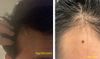
User reports worsening hair loss despite using Avodart 0.5mg daily and 2ml of Minoxidil daily for over three years. They maintain a healthy lifestyle and are athletic.
Pumpkin seed oil is not a substitute for minoxidil; it acts more like finasteride as a DHT blocker. Minoxidil is necessary for hair growth, and combining it with treatments like PRP or saw palmetto may be beneficial.
A 45-year-old man experienced positive hair regrowth using a combination pill of 5mg minoxidil, 1.1mg finasteride, and 1mg biotin over three months. He reported minimal side effects and prefers this treatment over hair transplants.
A 20-year-old is experiencing aggressive hair loss and is using oral finasteride, topical minoxidil, tretinoin, rosemary oil, and dermarolling in an attempt to manage it. They are concerned about their appearance and future hair loss, seeking advice on additional treatments.
Spearmint tea and inositol are discussed as potential treatments for hair regrowth, but their effectiveness is questioned. Alternatives like green tea, MSM, and evening primrose oil are suggested for hair health.
The conversation discusses buying minoxidil, finasteride, and other generic hair loss treatments at subsidized rates in India, and mentions that vitamins and minerals for hair growth are also available without a prescription. Some users view the post as an advertisement and note that these products can be purchased from other sources like alldaychemist without a prescription.
Panax ginseng, specifically a ginsenoside-enriched formulation, is suggested as a potential hair growth treatment alongside finasteride and minoxidil. The user is considering trying panax ginseng despite limited availability and evidence.
A user asked if microneedling, massages, and essential oils can prevent further hair loss in the crown area without using drugs. The response indicated that without a 5-alpha-reductase inhibitor, hair loss will likely continue.
The user shared their 11-year journey battling hair loss, highlighting the importance of consistent treatment and avoiding common mistakes. Treatments included minoxidil, finasteride, derma rolling, ketoconazole, multivitamins, and a hair transplant.
A 16-year-old female experiencing severe hair loss and sebum buildup, likely due to telogen effluvium and PCOS, is currently using vitamin D3 supplements, Redenser serum, and T follihair supplements. Recommendations include addressing PCOS first and consulting a doctor.
Han Bio plans to start clinical trials for a new hair multiplication technology this year, which could significantly reduce the cost and time of hair transplantation. The technology uses a single hair strand to cultivate enough cells for 30,000 hair strands.
A user reported hair regrowth after taking D3 vitamin pills and using anti-hair fall shampoo for four months. They were later advised to use 10% minoxidil, a hair spray, and a general vitamin pill containing iron, B9, and B12.
The conversation discusses skepticism about DHT blocker supplements for hair loss, with many users recommending proven treatments like finasteride and minoxidil instead. Some users shared personal experiences with alternative treatments like beta-sitosterol and saw palmetto, noting side effects and limited effectiveness.
Rhamnose may promote hair growth and pigmentation, suggesting it as a potential hair loss treatment. The conversation discusses its potential alongside known treatments like Minoxidil, finasteride, and RU58841.
A user shared their experience with a hair restoration method involving adding individual human hairs on ultra-fine strands between existing hair, allowing for natural movement and appearance without blocking the scalp. They also continue using rosemary oil and gentle massage for basic growth support.
Peppermint oil may increase hair thickness more effectively than minoxidil, but its effects are mostly studied in animals. Users report mixed results, with some seeing no regrowth and others noting slight improvements when combined with other treatments.
The user experienced significant hair regrowth with topical finasteride, minoxidil, ketoconazole, and dermarolling, but later faced severe hair shedding after stopping dermarolling and reducing ketoconazole use. Suggestions included switching to oral treatments, resuming dermarolling, and considering lifestyle changes.
The conversation discusses using topical minoxidil and finasteride, along with dermarolling and biotin shampoo, for hair loss treatment. It also explores supplements like NutraPro's hair growth formula and other products like tretinoin, Ducray shampoo, and Nizoral to enhance results.
A user is seeking feedback on a homemade topical finasteride formula for hair loss, consisting of 7.5 mg of finasteride, propylene glycol, ethanol, and distilled water. They aim to achieve a 0.0125% solution by applying 2 ml daily.
A user shared a 6-month update on using a daily tablet combining finasteride, minoxidil, biotin, and vitamins C, B5, and B6 to address hair thinning. They are pleased with the results, despite experiencing some facial hair regrowth as a side effect.
The user has been using finasteride, dutasteride, pyrithione zinc, and oral minoxidil to treat hair loss and has seen an increase in fine hairs on the hairline but overall thinning on the top. They are considering adding zinc and Vitamin K to their regimen and are already taking hair multivitamins with collagen.
The user shared their successful hair regrowth experience using Dutas, oral and topical minoxidil, vitamin D3, zinc, biotin, a laser cap, natural shampoos, ketoconazole shampoo, retinoic acid lotion, and mesotherapy. They reported no side effects and significant improvement in hair thickness and color over six months.
Nutrafol helps improve hair thickness and hairline but may have potential health risks like liver damage and increased prostate cancer risk. The user plans to continue Nutrafol at a lower dosage while managing seborrheic dermatitis and considers future use of topical finasteride, minoxidil, rosemary oil, and microneedling.
A user wants to try melatonin for hair loss by mixing melatonin powder with a topical oil serum. They are asking if this mixture is possible and effective.
The user experienced significant hair regrowth over 8 months using finasteride, minoxidil, and a custom topical mix including progesterone, cortisone, and alpha 5 estradiol. They reported no side effects and noticed improvement around the third month.
The conversation discusses using RU58841, Minoxidil, and finasteride for hair loss treatment. It focuses on homebrewing RU58841 while using other treatments.
People discussed using vitamin D supplements for hair loss, with some also using steroid injections, pumpkin seed oil, saw palmetto, and zinc. Despite supplementation, one user noted no improvement in hair condition, but acknowledged the general health benefits of addressing vitamin D deficiency.
A user shared their positive hair transplant results after 19 months without using finasteride or minoxidil, only vitamins. Some responses suggest concern over future hair loss without prevention treatments, while others congratulate or express jealousy.
A user successfully maintained hair using fluridil, alfatrodial, minoxidil, and ketoconazole shampoo after experiencing side effects from finasteride. They question why this combination isn't more popular despite its effectiveness.