The user does not respond well to minoxidil and is seeking an alternative to Tretinoin to upregulate sulfurtransferase activity for hair loss treatment. No specific alternative treatments were mentioned.
PP405 is the most promising future treatment for hair loss, aiming to reactivate dormant hair follicles. Clascoterone 5% is the most promising near-term drug, while current strategies include using finasteride or dutasteride to stabilize hair loss and minoxidil to stimulate growth.
PP405 is a new hair loss treatment facing mixed reactions due to initial hype and insufficient data. Some are hopeful, but many doubt its effectiveness compared to minoxidil and finasteride.
The conversation is about the anticipation of results for a hair loss treatment study, specifically for GT20029, with expectations for the results to be released in the first quarter of 2024. No specific treatments were discussed.
A woman with AGA and CTE has been taking multiple hair loss treatments including spironolactone, dutasteride, finasteride, bicalutamide, birth control, and minoxidil without success. Steroid injections, however, dramatically and immediately stopped her hair loss, though the effect lasts less than a month.
There is an inconsistency between the molecular weight and formula listed on EveryChem's product page and the analytical PDFs for 3HP and PP30, suggesting a possible error in the product description. Concerns are raised about EveryChem's business practices and lack of transparency in testing and manufacturing.
Kx-826 at 0.5% shows limited effectiveness for hair loss, while 1% is more promising but expensive. RU58841 is considered a more feasible option until 1% kx-826 becomes affordable.
The post discusses the potential of upregulating aromatase to treat hair loss, suggesting that increasing CCL2 levels through Vitamin D or microneedling might help. The user questions why microneedling doesn't work for everyone, especially those with advanced hair loss.
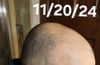
A user shared progress pictures after one year of using minoxidil with no side effects, asking about their collagen. Another user commented on the genetic aspect of hair loss.
Exosomes are being considered for hair regrowth after using finasteride and minoxidil, with skepticism about their effectiveness and high cost. Users discuss administration methods like injections and microneedling, but concerns about pricing and potential scams are prevalent.
The conversation is about using micro needling and PTD-DBM for hair loss treatment. The user applies PTD-DBM drops on weekdays and performs micro needling weekly.
Glycine supplementation may increase 5-alpha reductase activity, potentially affecting hair loss. Users discuss its impact on hair fall and its role in the body.
The conversation discusses a hair loss treatment formulation containing cyclosporin, minoxidil, and tacrolimus, and mentions ongoing research on hair color reversal. The treatment showed high efficacy in restoring hair color in trials with 40 to 50 people.
The user is experiencing hair loss despite using estradiol, bicalutamide, dutasteride, and topical minoxidil. They stopped minoxidil temporarily, which worsened their condition, and are considering oral minoxidil but are concerned about side effects and cost.
New hair loss treatments like GT20029, Clascoterone, and PP405 are being discussed, with concerns about how to apply multiple topicals alongside existing treatments like minoxidil and finasteride. Suggestions include creating a routine, mixing treatments, or minimizing redundancy in treatment stacks.
Quercetin might help with hair loss by inhibiting HSP-70, which increases androgen receptors. Concerns include its staining properties and unclear topical absorption.
A sugar gel containing 2-deoxy-D-ribose has shown promising hair regrowth results in mice, comparable to Minoxidil. Users are discussing the potential to buy and try this compound themselves.
The user is using oral Minoxidil 2.5 mg, oral Finasteride 1 mg, and a 2mm derma roller for hair loss but feels discouraged by the lack of results after a month. They are seeking advice and considering additional methods like antiandrogens, exercise, and dietary changes.
The user is experiencing hair shedding after using a multipeptide hair growth serum and is concerned about losing baby hair. They are questioning whether they should stop using the serum due to this shedding.
The conversation discusses DIY cosmetic procedures like PRP, mesotherapy, and micro-needling, with some users experimenting with Minoxidil, finasteride, and RU58841 for hair loss. It highlights a community of mostly older women performing these treatments themselves.
The conversation discusses anticipation for CB-03-01, a potential new hair loss treatment that may be more effective and have a cleaner safety profile than finasteride. Users are hopeful but cautious, discussing current treatments like minoxidil, nizoral, and dermarolling, and the possibility of combining them with CB-03-01 for better results.
Injectable GHK-CU and BPC157 were discussed for hair loss, but users did not notice significant hair changes. BPC157 was noted to help with shoulder issues.
A user shared their one-year hair loss treatment progress using oral finasteride, topical finasteride/minoxidil, and microneedling, reporting no current side effects and significant hair improvement. They also use Head & Shoulders for dandruff control and recommend consistency in treatment.
The conversation discusses promising hair cloning research seeking commercialization partners. Cultured hairs formed with pigment, indicating positive progress.
The post discusses a hair loss treatment regimen including dermarolling, minoxidil, finasteride, biotin, Nizoral, castor oil, and a power laser comb. The user shares progress pictures to show the effectiveness of these treatments.