Hair loss treatments, specifically about the effectiveness of RU58841 compared to Pyrilutamide. Molecular weights and side effects were discussed in terms of efficacy and cost-effectiveness.
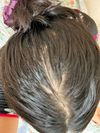
The user is experiencing stage 2 hair loss and thinning, noticing more scalp visibility with short hair. They are considering diet, yoga, scalp massage, supplements, and a serum recommended by their doctor, and questioning if it's safe to stop using the serum and whether to get a blood test since hair loss isn't a family trait.
A 20-year-old male uses oral finasteride daily, ketoconazole shampoo, rosemary and castor oil, and dermarolls for hair loss. Despite initial shedding and some baby hair growth, he worries these treatments may not be enough long-term.
PP405 is suspected to be a scam, with users doubting its legitimacy and effectiveness. Many recommend using proven treatments like finasteride and minoxidil.
OP shared a 100-day progress on reducing hair shedding using Minoxidil and Dorpang scalp serum, noting healthier hair growth. Other users discussed their own treatments, including Minoxidil, ketoconazole, saw palmetto, and pumpkin seed oil, with some considering finasteride if needed.
A person experienced hair loss due to a crash diet and is now seeking advice on recovery, including dietary changes and potential treatments like biotin and pumpkin seed oil. They are concerned about nutrient deficiencies and considering a dermatologist visit for further guidance.
The user is using finasteride, HGH, GHK-CU, BPC-157, KPV, biotin/collagen/keratin vitamins, ketoconazole shampoo, and low-dose naltrexone to address hair loss, avoiding minoxidil due to past shedding experiences. Adenosine is discussed as a potential alternative to minoxidil, though it is noted to be expensive and hard to find.
Setipiprant trial for hair loss failed, showing no difference between placebo and treatment. Discussion also noted placebo users reporting side effects.
KX-826 Phase II results show that a 0.5% concentration performs better than 1% for treating male pattern baldness. Concerns about receptor upregulation from long-term DHT antagonism were mentioned.
The user is experiencing a strange hair loss pattern despite using dutasteride for 3 years and minoxidil with tretinoin for 1.5 years. They recently added microneedling and are considering a scalp biopsy to understand the cause.
Transgender hormone therapy, including Estradiol Valerate, Spironolactone, and Progesterone Micronized, can reverse male pattern baldness and improve hair health. The user shares their positive experience with hair regrowth after transitioning from male to female.
The conversation discusses hair loss treatments, with the original poster considering joining a clinical trial for setipiprant after experiencing side effects from finasteride and disinterest in minoxidil. Some users express skepticism about setipiprant's effectiveness, while others encourage participation in the trial for potential benefits.
FOL-005 claims to be more effective than Minoxidil and Finasteride but lacks anti-DHT properties, leading to potential reduced efficacy over time. Concerns are raised about misleading marketing and the safety of alternative treatments like Pyrilutamide and Clascoterone.
Clascoterone 5% solution (Breezula) is a promising alternative for androgenetic alopecia, showing continued hair growth with consistent use and no significant side effects. It may be suitable for those who cannot tolerate finasteride or dutasteride, especially when trying to conceive.
Concerns about the potential high cost of new hair loss treatments, pp405 and gt20029, were discussed, with some users willing to pay a premium if they are effective. Alternatives like finasteride and minoxidil are mentioned as current, more affordable options, and there is speculation about future generic versions and black market availability.
A user shared their 13-month experience using finasteride and ketoconazole 2%, reporting significant improvement in hair growth, especially in the crown and temple areas. They also mentioned occasional use of biotin, multivitamins, and zinc, but noted recent increased shedding and hair loss in unexpected areas.
The user follows an intensive hair loss protocol including dutasteride, biotin, black tea, pumpkin seed oil, peppermint shampoo, rosemary conditioner, mukemame, soy milk, lycopene, garlic, magnesium, chamomile, spicy food, citrus bergamot, zinc, multivitamins, kefir, and Greek yogurt. They plan to alternate between pumpkin seed oil and safflower oil and will share before and after pictures.
Hyperbaric Oxygen Therapy (HBOT) is discussed as a potential treatment for androgenic alopecia due to its ability to reverse hypoxia and promote angiogenesis. The conversation explores its potential benefits for hair loss, though no studies have been conducted on this application yet.
The post and conversation are about a user seeing hair regrowth after using Rogaine, rosemary oil, pumpkin seed oil, saw palmetto, microneedling, and LLLT. The user plans to add Nizoral soon and is hopeful about continued progress.
Veradermics' phase 2 trial of slow-release oral minoxidil shows promising hair regrowth with minimized side effects, gaining significant attention and funding. PP405 is also noted for its potential as a side-effect-free alternative.
The user tried Minoxidil without success, and Finasteride worked but caused sexual side effects even at a very low dose. They are seeking alternative treatments for hair loss as they cannot tolerate anti-androgens and are also in therapy for mental health.
A 21-year-old male with a thyroid condition noticed his hair thinning uniformly without a receding hairline. He is considering using a 5ARI to prevent further baldness if he starts TRT.
A 21-year-old is concerned about androgenic alopecia and has been using minoxidil for a year, noticing some stabilization in the hairline but fears using it on the whole scalp due to seborrheic dermatitis. Another person suggests considering a psychiatrist for stress management, using Nizoral shampoo, and possibly trying a small dose of finasteride.
The user is experiencing excessive hair thinning and is unsure of the cause. They are seeking opinions on treatments like Minoxidil, finasteride, and RU58841.
The conversation discusses switching from RU58841 to pyrilutamide for hair loss treatment, with users generally recommending staying on RU58841 if it is effective. RU58841 is sourced from GeneTherica, which ships worldwide.
The user has been using dutasteride, lymecycline, betamethasone, and minoxidil for hair loss but struggles with eczema and dry skin. They feel hopeless as no treatments or moisturizers have helped, and they are concerned about their appearance due to their soft facial features.
Injectable GHK-CU and BPC157 were discussed for hair loss, but users did not notice significant hair changes. BPC157 was noted to help with shoulder issues.
The user has been using liposomal topical finasteride since late 2022, progressively increasing the dose, but DHT serum levels remain largely unchanged. Despite using finasteride, minoxidil, microneedling, and ketoconazole, hair condition has neither improved nor worsened.
A user named Medical_Opinion8120, a 23-year-old female, is experiencing hair loss potentially due to a past accutane course. She has tried minoxidil without success and is currently taking iron and zinc supplements.
A 29-year-old female is experiencing severe hair loss and bald patches, seeking advice on shampoos, conditioners, hair masks, or topical medications. A user suggests starting an oral supplement.