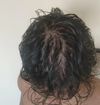
PP405 is likely a scam, with concerns about its legitimacy and safety, as it may cause unintended tissue growth. Users suggest sticking to known treatments like finasteride and minoxidil.
A 24-year-old experiencing severe hair thinning has been using minoxidil for 2 years but is still shedding hair. A doctor recommended plasma treatment over a DHT blocker for better and healthier results.
The user experienced negative side effects from oral minoxidil, including cardiac issues and excessive sweating, and decided to switch to topical minoxidil while using other treatments like RU58841, Setipiprant, Azelaic acid, and latanoprost. Another user suggested splitting the oral minoxidil dose to reduce side effects.
The conversation is about someone using Dutasteride, oral Minoxidil, and Tretinoin for hair loss, and they also stopped antipsychotics and treated an H. pylori infection. They feel there has been progress in their hair growth over two months.
The conversation is about using microneedling for hair loss treatment, including questions on disinfection and post-treatment care. The user mentions using oral minoxidil and finasteride, and considering dutasteride.
The user is using Minoxidil, RU58841, CB-03-01, WAY-316606, Ketoconazole, MK-677, and derma stamping to treat hair loss and has noticed new hair growth, especially around the temples and hairline. They apply different treatments at various times of the day and have seen improvements in skin condition and body hair texture.
, you can find it online with a script
This user was discussing their progress with hair loss treatments including 5mg oral Minoxidil and combining 3mg oral Minoxidil with MTF HRT. They also discussed side effects of increased body hair in other parts of the body.
The user has been using Finasteride for hair loss and is considering adding alphatradiol, stemoxydine, or 2% minoxidil to their regimen. They are concerned that stemoxydine, which shortens the resting phase of hair, might accelerate hair loss in those not using Finasteride by depleting hair cycles without strengthening miniaturized hairs.
In this conversation, 4990 discussed various treatments for hair loss, including oral minoxidil, PRP, transplan, Jak inhibitors, Dutasteride, Finasteride, Olumiant, Ketoconazole, RU58841, microneedling, baricitinib, and CCCA. They recommended scalp biopsies in unclear cases of DUPA, twice weekly to twice daily shampooing for topical minoxidil users, and two sessions spaced one month apart with follow up at month three to determine the effectiveness of PRP treatment.
The user is using a hair loss treatment involving dutasteride, minoxidil, finasteride, microneedling, and supplements like multivitamins, D3 K2, and Omega 3 fish oil. They are considering adding tretinoin and are open to suggestions while managing gut issues.
Dr. Muñoz's discovery suggests that targeting potassium channels in fibroblasts could reactivate hair growth, offering new treatment possibilities for alopecia. Potential strategies include using minoxidil, diazoxide, and other potassium channel openers, as well as bioelectric devices and direct growth factor applications.
The conversation discusses using Toppik hair fibers with topical Minoxidil and the potential impact on application. The user considers switching to oral Minoxidil and plans to consult a doctor about Finasteride.
The conversation discusses using minoxidil, finasteride, spironolactone, and RU58841 for hair loss treatment. Users share experiences with these treatments, noting side effects and varying effectiveness.
A 36-year-old male using dutasteride and minoxidil has seen significant hair regrowth, confirmed by a dermatologist and supported by before-and-after photos. He plans to increase his oral minoxidil dosage and add dermapen to his routine.
People are hopeful about future hair loss treatments like PP405, GT20029, and VDPHL01, while some are currently using finasteride and minoxidil. There is skepticism about the effectiveness of new treatments, and some advise against hair transplants until more promising drugs are available.
The conversation is about the best vehicle for RU58841, comparing trichosol and Garnier/Vichy Stemoxydine, avoiding propylene glycol (PG) or ethanol due to previous scalp damage. The user is also seeking sources for these products in the EU.
The conversation is about finding a source for RU58841 in Canada as an additional treatment for hair loss, alongside oral minoxidil and dutasteride. Alternatives like kx826 are suggested, with some users discussing prices and sources for these products.
Piroctone olamine is more effective than ketoconazole for increasing hair growth and reducing itching and dandruff. Treatments discussed include Minoxidil, finasteride, and RU58841.
The user is using Dutasteride, Nizoral, and RU58841 for hair loss and is considering mixing RU58841 with Stemoxydine for better scalp coverage but is concerned about the potential degradation of RU58841 when mixed with a water-based solution. They are seeking advice on the feasibility of this mixture.
People are discussing the use of an untested hair loss treatment called PP405, which is not available on the grey market. Some users are trying a mimic formulation called HP3, reporting thicker hair but no new growth yet.
Hair loss treatments, including PP405, minoxidil, finasteride, and RU58841, with hopes for future solutions. Participants discuss the emotional impact of hair loss and consider alternatives like hair transplants or acceptance.
A user is using topical dutasteride, topical finasteride, and minoxidil to address a receding hairline and is seeking opinions on their routine. They report seeing vellus hair growth after nearly three months of use.
User started minoxidil, noticed forehead lines and dark circles, and asked for non-invasive skin aging prevention methods. Another user suggested using tretinoin and hyaluronic acid for long-term benefits.
People are excited about a new hair loss treatment, PP405, and some suggest using Twitter to increase its visibility. Current treatments mentioned include finasteride, minoxidil, and dutasteride, but skepticism remains about the effectiveness of new treatments.
The conversation discusses hair loss treatments, specifically the use of finasteride (Fin) and oral minoxidil (Oral Min), with progress shown using hair fibers like DermMatch and Toppik. The original poster plans a hair transplant and mentions side effects like reduced libido from finasteride.
The user has been using dutasteride for 8 months, oral minoxidil for 3 years, and topical minoxidil on temples, with recent microneedling. They experienced thinning after switching from finasteride to dutasteride and are hoping for improvement by the 12-month mark.
The conversation discusses using homemade topical finasteride for hair loss, showing an increase in DHT levels despite treatment. The user applies 0.125mg daily, resulting in 113.4% of previous DHT levels.