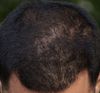
A user experienced significant hair regrowth from Xeljanz after severe alopecia but can no longer afford it. They are seeking ways to obtain the medication despite its high cost and potential side effects.
The conversation discusses hair loss treatments, focusing on vitamin D and B12 deficiencies, and mentions using finasteride. It also suggests getting a biopsy to differentiate between MPB and other conditions.
Diet can influence hair health, but male pattern baldness (MPB) is primarily genetic. Treatments discussed include Minoxidil, finasteride, and RU58841.
PP405 is a potential hair loss treatment showing promise, especially for men with severe balding. Some are hopeful it will be a game-changer for those who cannot tolerate finasteride or minoxidil, despite skepticism about the outcomes.
The treatment for androgenetic alopecia involves using finasteride and minoxidil with intense exercise and cold exposure to boost metabolism and reduce androgenic effects, potentially leading to hair regrowth. This approach may activate biological pathways for improved hair and overall health.
Chinese company gets green light for Pyrilutamide Phase II trial for androgenetic alopecia. Androgen receptors downregulate in androgen deficient environments.
Potential treatments for hair loss, specifically the combination of liquid minoxidil and pyrilutamide, with some suggesting that adding finasteride may be beneficial.
A user's extreme regimen for hair loss, which includes taking oral and topical medications such as minoxidil, dutasteride, cyproterone acetate and bicalutamide, but still experiencing miniaturization. Suggestions were made to try other treatments such as RU58841 and Pyrilutamide, while also considering mental health treatment and advice on lookmaxxing.
The conversation discusses hair loss treatments, specifically using Minoxidil, finasteride, and RU58841. It also mentions the importance of raising vitamin D3 levels.
Balding scalps have more androgen receptors, leading to increased TGF-beta, which causes blood vessel loss and hair follicle miniaturization. Blocking androgen signaling and TGF-beta may help prevent hair loss.
High-dose oral minoxidil (>5 mg/day) can increase hair density in some men with androgenetic alopecia, but side effects like extra body hair and heart issues are common. Gradual dose increase is advised, but adverse effects may lead to discontinuation or dose adjustments.
A 27-year-old male with ADHD is experiencing hair thinning and is starting a treatment with topical finasteride (0.025%) and minoxidil (5%). He is addressing high prolactin levels and low vitamin D, while managing side effects from ADHD medication.
The user is experiencing diffuse androgenic alopecia and is trying various treatments, including 5mg finasteride, loniten, and Formula 82D, which contains dutasteride, a steroid, and tretinoin. They report potential regrowth with Formula 82D, despite previous treatments being ineffective.
A 25-year-old male experiencing diffuse thinning is advised to address high TSH levels and low iron, and consider treatments like finasteride. Weight loss and improved diet are also suggested to potentially help with hair health.
12 companies having drugs or therapies in clinical trials during 2023, with various molecules and phases of trial; the probability that some may fail; and progress being made in the field.
Hair loss treatment with latanoprost, minoxidil, and biotin showed progress. Latanoprost, a glaucoma drug, stimulates anagen phase and increases conversion of vellus hair to terminal hair.
The conversation is about using Vitamin B5, B6, and Biotin for hair health, with a focus on whether to take these supplements separately when using topical finasteride products. One user dismisses the effectiveness of multivitamins.
The user has been using topical minoxidil (5%) for two years and kx826/pyrilutamide for one year, after experiencing side effects from finasteride. They report positive results from the combination of minoxidil and kx826 in combating hair loss.
Combining finasteride and dutasteride with activities that raise testosterone may increase the risk of side effects like gynecomastia, depending on genetic predisposition and hormone levels. It's advised to check hormone levels to assess the risk.
A person had three hair transplant surgeries using 7,600 grafts from scalp, beard, and chest, along with finasteride and minoxidil. Reactions are mixed, with suggestions for alternatives like hair systems or scalp micropigmentation.
A woman with AGA and CTE has been taking multiple hair loss treatments including spironolactone, dutasteride, finasteride, bicalutamide, birth control, and minoxidil without success. Steroid injections, however, dramatically and immediately stopped her hair loss, though the effect lasts less than a month.
A 25-year-old male experienced significant hair loss due to telogen effluvium and androgenetic alopecia. He began using finasteride, minoxidil, and vitamins, seeing some regrowth but remains worried about hair density.
Hair loss treatments like GT20029, pyrilutamide, and Follica show promise in 2022. Phase 1 and 2 trials are underway, and new hair growth studies have been published.
Androgenetic alopecia is affected by scalp DHT levels, not sensitivity, with treatments like finasteride and dutasteride aiming to optimize these levels. Personalized DHT management is crucial for effective hair growth.
A user shared a blog post by "swissTemples" claiming to have reversed hair loss using a combination of treatments including suppressing PGD2 and increasing PGE2. The user noted that "swissTemples" has been banned from forums, possibly due to conflicts of interest.
The user experienced hair repigmentation and attributes improvements in hair and overall health to a carnivore diet, Boron, and Selenium supplementation. They stopped using finasteride after 20 years, noticed increased testosterone and libido, and observed hair regrowth with RU58841.
The user has been taking oral Finasteride and topical Essengen 6 Plus for hair loss and is experiencing increased depression. They plan to get bloodwork to check hormone levels and are seeking advice on which tests to include.
Hair loss treatments like Minoxidil, finasteride, and stem cell therapies exist, but a complete cure is hindered by genetic complexity and market dynamics. Cloning hair follicles is considered a potential solution, but it's currently not feasible.
Skepticism about hair loss research motivations, suggesting financial interests hinder finding a cure. Mentions treatments like minoxidil, finasteride, and dutasteride, but notes they are not cures.
Hair loss treatments discussed include cosmeRNA, minoxidil, finasteride, RU58841, and pyrilutamide. Users debate effectiveness, side effects, and upcoming treatments, with some expressing skepticism and others optimism.