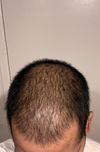
A user experienced excessive hair shedding after taking 17 mg of Zinc gluconate daily for acne. They are seeking advice on similar experiences and solutions.
Hair loss due to vitamin B12 deficiency is discussed, with some users suggesting supplements and dietary changes, while others recommend medications like finasteride or dutasteride. The conversation highlights differing opinions on the cause of hair loss, with some attributing it to genetics or male pattern baldness.
Kintor Pharma has finished enrolling the first patient in a Phase III trial for KX-826, a treatment for androgenetic alopecia (AGA). One user has set a reminder to check back on the topic in a year.
The conversation humorously discusses the complexity of understanding and treating male pattern hair loss, mentioning treatments like Minoxidil, finasteride, RU58841, Dr. Brotzu's lotion, and Dr. Tsuji's hair cloning. The original post satirically claims that only those with high intelligence can appreciate these treatments.
The conversation discusses hair thinning potentially linked to gut health issues and suggests biotin as a possible treatment. It also mentions that hair thinning could be due to male pattern baldness (MPB).
The potential of lowering prolactin levels to regrow hair, with a reference to Bayer's drug HMI 115 which has been indicated as having this effect. Treatments mentioned include Minoxidil and Finasteride, as well as RU58841.
Exploring future hair loss treatments, including immunosuppressants for hair transplants and hair cloning, with a focus on leveraging research from other medical fields. Current treatments like finasteride and minoxidil are effective for most, but there's a call for more funding and innovation in the hair loss industry.
The individual is using oral minoxidil and finasteride to treat androgenetic alopecia with good results but is considering stopping due to concerns about long-term effects on the heart and potential hair dependency on the medication. They are also contemplating the impact of hair loss on gender dysphoria and considering the use of wigs as an alternative.
The conversation is about the difficulty in obtaining GT20029, a hair loss treatment, due to patent issues and the need to resort to group buys or Chinese labs for acquisition. Specific treatments mentioned include Minoxidil, finasteride, and RU58841.
Glycine supplementation may increase 5-alpha reductase activity, potentially affecting hair loss. Users discuss its impact on hair fall and its role in the body.
Gene editing for hair loss is not yet viable due to technological and economic challenges. Current treatments like Minoxidil, finasteride, and hair transplants remain the most practical options.
A 30-year-old male experienced rapid hair shedding over 6-7 months due to stress, depression, and nicotine/alcohol use, but has since stopped these habits. He seeks advice on remedies, medications, or diet changes to address hair loss.
A 31-year-old has been using finasteride, dutasteride, and oral minoxidil for hair loss. They noticed a sudden triangular thinning patch on their scalp and are seeking advice, questioning if it could be medication-related.
Lifestyle factors like diet, stress, and nutrient deficiencies can impact hair regrowth, but their effects vary among individuals. Treatments mentioned include finasteride, dutasteride, and minoxidil.
A 20-year-old user experienced worsening hair loss despite using various treatments including topical and oral minoxidil, finasteride, and dutasteride. Other users suggested additional treatments like JAK inhibitors, RU58841, and lifestyle changes, but the user remains skeptical and frustrated.
A 17-year-old is stressed about mild male pattern baldness and is considering treatments like minoxidil and finasteride but is concerned about starting finasteride too young. Users suggest starting with minoxidil and considering finasteride at 18, while emphasizing the importance of consulting a doctor and not obsessing over hair loss.
Male pattern baldness can occur with or without an oily scalp, but an oily scalp and seborrheic dermatitis can worsen the condition. Treatments like finasteride, minoxidil, and ketoconazole shampoo are used, and managing diet and scalp care can help control symptoms.
Discussion on hair loss treatments, focusing on pp405, with skepticism about its effectiveness and concerns about its association with the cosmetic industry. Users also mention treatments like Minoxidil and Finasteride.
Hair loss treatments, including PP405, minoxidil, finasteride, and RU58841, with hopes for future solutions. Participants discuss the emotional impact of hair loss and consider alternatives like hair transplants or acceptance.
A medical student experienced hair loss slowing with Finasteride but developed severe, treatment-resistant insomnia. They tried various medications with little effect, suspecting Post-Finasteride Syndrome, and others suggested the insomnia might be linked to Finasteride's impact on neurosteroids.
A user was prescribed a combination of 0.6mg dutasteride, 5mg minoxidil, and 1mg zinc daily for hair loss, which is higher than standard doses. Other users suggest starting with lower doses, especially for minoxidil, and recommend seeking a second opinion.
Lab-grown hair using iPSCs is being explored, but practical applications are limited. Finasteride is suggested as the only current effective treatment.
High frequency ultrasonography and HR-MRI can help identify hair shedding causes like inflammation and fibrosis. The conversation discusses the potential of using these technologies to evaluate treatments like Verteporfin for hair regeneration.
A 22-year-old male experiencing hair thinning and loss, possibly due to seborrheic dermatitis or low vitamin D, is cautious about using minoxidil or finasteride due to heart palpitations and high blood pressure. Suggestions include using ketoconazole shampoo to control inflammation and focusing on treating the dermatitis first.
Hair loss discussion includes treatments like Minoxidil, finasteride, and RU58841. Conversation focuses on foods with sufficient procyanidin b2, such as dark chocolate and apples, and the required dosage.
Mixing RU58841 with cetosomal minoxidil is discussed due to scalp irritation from ethanol PG vehicles. A mixture of the two turned bright pink when left to dry.
Early hair loss causes emotional distress, and common coping strategies like fitness and fashion are inadequate. Treatments like finasteride, minoxidil, dutasteride, hair systems, and scalp micropigmentation were tried but were unsatisfactory.
PP405 shows promise for hair regrowth, with new hairs observed in 66% of patients in just 27 days. The discussion also mentions Minoxidil, finasteride, and RU58841 as potential treatments.
Oral minoxidil dosing should be based on body weight to minimize side effects, with higher doses increasing risks like pericardial effusion. Combining oral minoxidil with topical treatments and finasteride can improve hair growth, but regular heart health monitoring is essential.