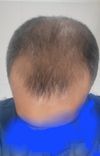
PTD-DBM is being explored for hair regrowth by targeting CXXC5, with clinical trials expected after pre-clinical studies. Users express anticipation and skepticism about its effectiveness.
A female with male-pattern hair loss (AGA) is seeking help after unsuccessful treatments with spironolactone and supplements, and is considering oral minoxidil and finasteride despite concerns about medication side effects. She has ruled out hormonal birth control and PRP/PRFM, and is looking into further medical advice due to abnormal lab results.
Minoxidil use led to excessive eyebrow and forehead hair growth, prompting grooming advice like waxing, tweezing, and shaving. Some suggested reducing dosage or considering electrolysis for permanent hair removal.
Brian Dye's theory links skeletal malocclusion type II to hair loss, suggesting it's a blood flow issue. Treatments mentioned include minoxidil, finasteride, and anti-inflammatory drugs like benaxoprofen.
Balding seems to worsen with each generation, possibly due to stress, diet, and environmental factors. The user started treatments like Minoxidil and finasteride.
Some people don't see results with FDA-approved hair loss treatments like finasteride or minoxidil due to underlying issues. The video suggests addressing these issues, especially if there are atypical symptoms or other health conditions.
The user is experiencing hair loss despite using finasteride and Rogaine, with conflicting diagnoses from different hospitals. One suggests no hair loss, while another recommends continuing medication; a suggestion to see a dermatologist for proper assessment is given.
The user diagnosed with DUPA tried treatments like dutasteride, finasteride, RU58841, and minoxidil without success and is considering a hair system. They hope for a future cure, possibly with PP405, and others suggest options like scalp biopsy and SMP.
A user experienced a loss of libido and anhedonia after severe dietary restriction while on Finasteride and Minoxidil for hair loss. They are considering reducing the Finasteride dose or taking a break to see if symptoms improve.
Some men have strong balding genetics that treatments like Dutasteride, Minoxidil, or Finasteride may not fully address. Early intervention is believed to help, but many accept hair loss without treatment.
A 17-year-old is concerned about potential hair loss due to maternal genetics and wonders if treatments like Minoxidil, Finasteride, or RU58841 will be effective. They hope their paternal genetics will help prevent hair loss or make treatments more effective.
New hair loss treatments like GT20029, Clascoterone, and PP405 are being discussed, with concerns about how to apply multiple topicals alongside existing treatments like minoxidil and finasteride. Suggestions include creating a routine, mixing treatments, or minimizing redundancy in treatment stacks.
Dutasteride is associated with increased blood glucose, HbA1c, LDL cholesterol, and liver enzyme activity, potentially leading to diabetes, NAFLD, and liver metabolism changes. The conversation highlights concerns about these adverse effects and calls for more studies, including on finasteride.
Scalp tension potentially affecting hair loss, and potential treatments for male pattern baldness such as Minoxidil, Finasteride and RU58841. Evidence from a study was discussed which suggests that the cause of MPB lies within the follicle itself and is not dependent on its surrounding environment.
Poor diet and lifestyle contribute to male pattern baldness. Treatments like Minoxidil, dietary changes, and lifestyle adjustments may help slow hair loss.
A user has been experiencing hair loss for 4 years, with treatments like minoxidil, finasteride, and various supplements proving ineffective. They were diagnosed with fibrosing alopecia in a pattern distribution, a condition that may require a combination of anti-inflammatory and hair growth treatments.
Hair loss is linked to a higher rate of body dysmorphic disorder (BDD), OCD, and depression. Finasteride and dutasteride are not linked to increased suicidal risk, though some users report mental health side effects.
Genetic factors, enzyme activity, and DHT sensitivity affect individual responses to hair loss treatments like finasteride, minoxidil, and dutasteride. Starting treatments early can slow hair loss, but results vary among individuals.
Finasteride's effectiveness and side effects may vary based on male phenotypes, with some users noting differences in response related to body and facial hair characteristics. Some users report success with lower doses, while others experience side effects, suggesting individual variability in response to the treatment.
A user experiencing hair loss received three different diagnoses: androgenic alopecia, traction alopecia, and scarring alopecia, and tried treatments like minoxidil and finasteride without success. They are considering dutasteride but were advised to seek anti-inflammatory medication instead.
A 19-year-old male with no family history of androgenetic alopecia (AGA) is experiencing hair loss and considering using a topical minoxidil and finasteride mixture. Despite low vitamin D levels and normal DHT serum levels, he seeks confirmation of AGA before starting treatment.
A 31-year-old experiencing rapid hair loss is considering whether to shave their head or use treatments. They were prescribed B12, topical finasteride 0.1%, and minoxidil 10% but are unsure about the correct dosage and potential side effects.
A 19-year-old male has been using topical finasteride and minoxidil for 8 months with no progress and is considering seeking a second opinion due to potential misdiagnosis. The discussion revolves around whether the hair loss is due to male pattern baldness, alopecia areata, or a vitamin deficiency.
There is no permanent cure for hair loss; treatments like finasteride, minoxidil, and hair transplants require ongoing use and are not universally effective. Genetic complexity and financial incentives for ongoing treatments hinder the development of a definitive cure.
High DHEA levels may contribute to hair loss by increasing DHT in hair follicles, potentially explaining why finasteride is ineffective for some. Treatments like high-dose dutasteride and RU58841 are suggested, but the underlying cause, such as adrenal issues, should be investigated.
The conversation discusses the variability in effectiveness of medications, including finasteride, and questions whether different manufacturers impact results. The user suggests sharing successful brands to help others identify effective options.
Prolactin and cortisol are identified as key factors in hair loss, with stress hormones impacting hair shedding. Finasteride and minoxidil are effective treatments, while DHT's role and individual sensitivity are significant factors.
DHT is not the only cause of male pattern hair loss; genetic sensitivity, inflammation, and fibrosis also contribute. GHK-Cu, a copper peptide, is being explored as an alternative treatment to finasteride and minoxidil, showing potential in improving follicle health.
Male pattern baldness (MPB) may be influenced by androgen receptors in scalp hair follicles and potentially poor blood flow. Transplanted hair is not immune to DHT, and factors like inflammation and scalp tension might also contribute to hair loss.