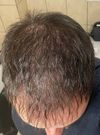
The conversation discusses mixing finasteride (Essengen-F) with a multi-peptide serum for hair density. The main concern is whether these products can be used together safely.
The conversation lists medications, oils, and herbs for hair loss, including FDA-approved treatments like Finasteride and Minoxidil, off-label options like Dutasteride and Clascoterone, and others like RU58841. It also mentions Rosemary oil, Saw palmetto, and Fo-Ti root as non-medical treatments.
The user has been using oral Dutasteride, RU58841, and Minoxidil for three years without success and is considering adding topical Finasteride or Dutasteride to target DHT both locally and systemically. Other users suggest sticking to a consistent treatment plan, exploring different combinations, and considering other factors like potential misdiagnosis or inconsistent medication use.
The conversation is about a person using dutasteride and minoxidil for hair loss, considering adding RU58841 and PP405 for more density. They are seeking advice on using these treatments and exploring other options like GT20029.
Green tea extract and soy isoflavones may help with hair loss by inhibiting DHT and providing additional health benefits. Combining these with finasteride and possibly using nizoral shampoo could enhance effectiveness in managing hair loss.
The user experiences irritation from alcohols in minoxidil and is considering alternatives like trichosol mixed with polyethylene glycol or DMSO. They seek advice on the best nonirritating option.
The conversation is about making a topical solution from clascoterone powder, with references to using a RU58841 mixing guide for guidance. Concerns about product authenticity and bulk purchase requirements are also discussed.
The user is dissatisfied with the results of using 0.3% finasteride and 6% minoxidil for hair thinning and is considering a topical treatment combining finasteride, dutasteride, minoxidil, melatonin, caffeine, and latanoprost. Another user suggests that high topical concentrations can lead to systemic exposure and recommends using oral dutasteride and microdosing topical finasteride.
A user is seeking feedback on a homemade topical finasteride formula for hair loss, consisting of 7.5 mg of finasteride, propylene glycol, ethanol, and distilled water. They aim to achieve a 0.0125% solution by applying 2 ml daily.
A user who is trying alternative treatments, such as mucuna pruriens dissolved in water/alcohol and a blend of jojoba oil, rosemary oil, and peppermint oil, for hair loss. Other users have shared anecdotal evidence, discussed the potential effectiveness of certain treatments, and questioned the time sensitivity of experimenting with new treatments.
The conversation is about using Vitamin B5, B6, and Biotin for hair health, with a focus on whether to take these supplements separately when using topical finasteride products. One user dismisses the effectiveness of multivitamins.
The post expresses frustration over the unavailability of pure topical finasteride in India despite the developed pharma industry. The user seeks advice on making it at home and its effectiveness.
Users discussed experiences with Everychem's solution similar to PP405 for hair loss, noting some positive results like increased hair thickness and new growth. There was skepticism about the product's legitimacy and safety, with some users reporting early signs of effectiveness and others expressing concerns about the lack of evidence and safety profiles.
Switching generic finasteride manufacturers can reduce side effects while maintaining effectiveness. Different fillers in generics may affect bioavailability and cause varying side effects.
The conversation discusses a topical finasteride therapy with hydrocortisone butyrate, estrone base, and breviline. A user suggests oral finasteride as a superior option.
The conversation is about adding crushed bicalutamide or spironolactone to a topical mix with finasteride and minoxidil to suppress testosterone in hair follicles, similar to what RU58841 does. The user cannot obtain RU58841 in their country and is seeking advice on this alternative approach for hair loss treatment.
The conversation discusses the variability in effectiveness and safety of generic finasteride from different manufacturers, with some generics potentially containing impurities. Users shared their experiences with various brands, questioning if different brands affect hair loss treatment outcomes.
The conversation is about finding sources for topical anti-androgens like CB, pyrilutamide, fluridil, and aflatridol for hair loss treatment. The user is considering using CB powder from IndiaMart but is concerned about side effects from finasteride and minoxidil.
The dermatologist prescribed topical finasteride and minoxidil, but only finasteride is available in pill form. The user plans a telehealth visit to discuss options.
Finasteride and Dutasteride are used for hair loss, with Dutasteride often in gel form for better bioavailability. Switching from Finasteride to Dutasteride is common, with some users combining treatments like Minoxidil for improved results.
The conversation discusses the potential offering of oral finasteride/dutasteride and oral minoxidil treatments for hair loss, with feedback on pricing and preferences for separate or combined pills. Users express concerns about high costs, preferring affordable options, and some prefer oral over sublingual minoxidil for ease of use.
RU58841 is not FDA approved, and users are discussing its availability and legitimacy in India, with some mentioning brands like Vantanex and Capomil. One user warns about the risk of gyno from RU58841, advising to stop use at the first sign of sensitivity.
RU58841 powder is mixed with a 70% ethanol and 30% propylene glycol solution, with some users seeking PG-free alternatives. Minoxidil is also mentioned as a treatment option.
A user is seeking a UK source for a combined minoxidil and RU58841 solution that doesn't contain scalp-irritating ingredients. They specifically want a product without propylene glycol (PG).
Kintor apologized for using misleading images in their advertisements and promised stricter review processes. They are also considering developing a topical dutasteride formulation.
The conversation discusses hair loss treatments beyond the commonly known three, focusing on separating effective treatments from myths. Dutasteride and low-dose oral Minoxidil are mentioned as having clinical evidence for increasing hair counts, but with potential side effects.
The user is concerned about mixing Pantostin (with Alfatradiol) and Finasteride in a topical solution, fearing a potential toxic reaction or ineffectiveness. They seek advice on whether this combination is safe.
The user is exploring alternatives to finasteride and dutasteride due to concerns about side effects, and is using rosemary and jojoba oil, ketoconazole, minoxidil, microneedling, multi-peptide serum, saw palmetto, and stinging nettle for hair loss. They are also considering CB 03 01 and spironolactone.
The conversation discusses buying minoxidil, finasteride, and other generic hair loss treatments at subsidized rates in India, and mentions that vitamins and minerals for hair growth are also available without a prescription. Some users view the post as an advertisement and note that these products can be purchased from other sources like alldaychemist without a prescription.
P-1075 is a more potent hair growth agent than Minoxidil, but it poses significant heart risks, making it unsafe for use. Despite promising results in macaques, concerns about its cardiotoxicity in rats have halted its development.