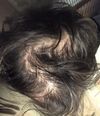
A user asked if microneedling, massages, and essential oils can prevent further hair loss in the crown area without using drugs. The response indicated that without a 5-alpha-reductase inhibitor, hair loss will likely continue.
The conversation discusses adjusting the isopropyl alcohol, propylene glycol, and water ratios in a topical finasteride solution for better scalp comfort and less dandruff. The user considers using 20ml IPA, 25ml PG, and 15ml water in a 60ml bottle, moving away from mixing finasteride with topical minoxidil.
A 16-year-old female experiencing severe hair loss and sebum buildup, likely due to telogen effluvium and PCOS, is currently using vitamin D3 supplements, Redenser serum, and T follihair supplements. Recommendations include addressing PCOS first and consulting a doctor.
The conversation is about finding a source for a topical solution combining minoxidil with other ingredients like finasteride, dutasteride, or retinol. The user seeks recommendations for purchasing these enhanced formulations.
The conversation is about finding a non-mint scented topical dutasteride for hair loss treatment. The user dislikes the mint scent in current options and seeks an unscented alternative.
The user improved diffuse thinning without finasteride by using minoxidil foam, cold showers, gentle hair drying, 2% ketoconazole, sulfate-free tea tree oil shampoo, dermastamping, and supplements like Omega-3, Vitamin-D, Biotin, Keratin, Collagen, B3, Zinc, and Magnesium. The regimen was followed for about six months under dermatologist guidance.
The conversation discusses being overwhelmed by the variety of hair loss treatments, including finasteride, minoxidil, ketoconazole shampoo, caffeine shampoo, and other supplements like biotin and saw palmetto. The user expresses uncertainty about which treatments to use.
Finasteride and Dutasteride do not cause depression or "Post Finasteride Syndrome," with concerns often linked to the nocebo effect and preexisting mental health issues. The EU is unlikely to ban these drugs, but access may become more restricted due to ongoing debates.
The conversation discusses hair loss treatments, specifically comparing rosemary and Redensyl, with the original poster already using finasteride and minoxidil. Users also mention using topical melatonin, caffeine, geranium, rosemary oil, jojoba, coconut, and argan oil for hair and scalp care.
The user has been experiencing aggressive hair loss despite using finasteride, minoxidil, dutasteride, ketoconazole, and derma rolling. Suggestions include continuing current treatments, considering RU58841, checking for deficiencies, and possibly trying collagen supplements or oral minoxidil.
Dutasteride is more effective than finasteride, has neuroprotective benefits, and may prevent acne. Despite initial concerns about metabolic effects, further research suggests it is safe for most users, especially if not hypogonadal.
A 22-year-old male experiencing diffuse thinning and frizzy hair has been using finasteride for nine months and is seeking advice on improving hair quality. Suggestions include using conditioners, biotin, rosemary oil, and addressing scalp conditions like seborrheic dermatitis or psoriasis, while finasteride may help reverse miniaturization and improve hair health.
The conversation discusses finding a reliable source for liposomal finasteride. The user currently uses a topical product with Minoxidil, finasteride, retinoic acid, and hydrocortisone, and is considering MinoxidilMax's Maxogen-x.
The conversation is about a hair loss treatment regimen that includes finasteride, dutasteride, oral minoxidil, Dermapen, quercetin, N-acetyl L-cysteine, biotin, millet seed extract, MSM, OPC, green tea extract, high-dose vitamins B1-B12, boron, and silica. The user is seeking advice on additional treatments.
The user is taking Dutasteride, Finasteride, Estradiol, Spironolactone, and Progesterone for hair regrowth and is considering adding Minoxidil and rosemary oil. They are experiencing some hair regrowth and are consulting a dermatologist to avoid a hair transplant.
A user is considering a non-alcohol based Minoxidil product for hair loss, which includes ingredients like caffeine, saw palmetto, glycerin, and various oils. They are seeking opinions on its effectiveness due to a sensitive scalp.
PP405 is a potential hair loss treatment, but its safety and effectiveness are uncertain. Users advise caution and suggest waiting for more data before purchasing unverified versions.
An 18-year-old diagnosed with male pattern baldness is using probiotics, saw palmetto, pumpkin seed oil, soy isoflavones, biotin, fish oil, quercetin, a multivitamin, and ketoconazole shampoo. Replies suggest these methods are ineffective and recommend finasteride, minoxidil, and a derma roller.
An 18-year-old woman experiencing hair loss due to stress, possible PCOS, and low vitamin D is concerned about starting 5% minoxidil foam, prescribed by her doctor, due to potential facial hair growth. She is also using a topical steroid for scalp sensitivity and pain.
The user is cautiously optimistic about their hair regrowth after 6 months of using minoxidil, finasteride, tazarotene, microneedling, ketoconazole shampoo, and rosemary oil. They report healthier hair and new growth, with side effects from minoxidil subsiding over time.
Combining Finasteride with topical Quercetin, Onion/Garlic juice and Peppermint Oil to reduce Wet Prostate Weight in Rats. Luke10191 asked the user LITUATUI to update them on progress after trying this combination of treatments for hair loss.
The user shared their hair regrowth routine, which includes Minoxidil, derma rolling, Nizoral shampoo, pumpkin seeds, PRF sessions, and rosemary oil, with plans to add multivitamins, rice water, and exosomes. They hope to avoid using finasteride unless necessary, preferring natural alternatives like pumpkin seeds and saw palmetto for DHT control.
An 18-year-old experiencing hair loss and seborrheic dermatitis has tried finasteride, dutasteride, and various shampoos without success. They are considering anti-androgens like RU58841 and KX-826 for oil control and dandruff reduction.
The conversation discusses alternatives to 5AR inhibitors for hair loss treatment, suggesting options like minoxidil, KX-826, pyrilutimide, microneedling, and topical bicalutamide. Concerns about side effects and the effectiveness of these treatments are also highlighted.
The conversation discusses using black pepper to potentially enhance the absorption of dutasteride for hair loss treatment. It also humorously mentions other unconventional methods and ingredients like grapefruit juice and garlic.
A user shared their experience with a homemade essential oils shampoo for hair loss after stopping finasteride due to side effects. They reported healthier, shinier hair and new body hair growth but no scalp regrowth yet.
A user shared their experience with hair loss treatments, using minoxidil, pyrilutamide, alfatrodial, and nizoral to improve hair density and thickness. They reported positive results without side effects and emphasized the importance of consistency with topical treatments.
PP405 is discussed as a potential alternative to finasteride, but its effectiveness and market availability are uncertain. Users share experiences with finasteride, minoxidil, and topical treatments, noting side effects and application techniques.