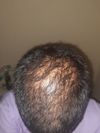
The conversation is about using a hair loss treatment combining 5% RU58841 and 5% minoxidil. The user is considering trying this formula after seeing it advertised.
A user, almost 50, has been using finasteride for 30 years and recently added oral dutasteride to address hair recession. They are now trying a new treatment stack including Minoxidil, Dutasteride, Melatonin, Rosemary oil, and Bimatoprost, along with derma stamping and Ketoconazole shampoo.
Users discussed the effectiveness of Everychem's solution, similar to PP405, with some reporting improved hair thickness and new growth. Concerns were raised about safety and the legitimacy of the product, with some users advising against purchasing research chemicals.
A 30-year-old male switched from finasteride to a combination of dutasteride, oral minoxidil, and RU58841, achieving significant hair growth without side effects. He plans to add GHK-Cu peptide to his regimen for further improvement.
DutchFella1993 has been using a lotion with finasteride and minoxidil for hair regrowth with some success and is considering using ketoconazole shampoo daily to reduce scalp itchiness. There's concern about the harshness of daily shampooing and twice-daily lotion application, and one reply suggests that daily use of ketoconazole may damage hair and questions its effectiveness, while also noting that once-daily minoxidil application is sufficient.
The user has been mixing finasteride with stemoxydine for hair loss and is considering switching to a less expensive product with a different ingredient list. They are questioning if the new product's higher water content compared to alcohol will affect the finasteride's solubility.
A user is using minoxidil for hair loss and considering adding finasteride but their dermatologist advised waiting to see if minoxidil works alone. They are thinking about taking saw palmetto (serenoa repens) and biotin as alternatives and are asking for others' experiences and potential side effects.
2% fucoidan alleviated AGA symptoms, promoted hair growth, and increased hair density in mice. Fucoidan is considered safe for humans as a supplement and topical skincare product, with potential therapeutic effects against AGA.
The conversation is about BosleyMD Revive+ Serum, which uses Y100 Compound instead of Minoxidil. The user is seeking reviews or opinions on this newer product.
The conversation discusses microneedling techniques and the use of Minoxidil, copper peptides, EGF, FGF, ceramides, and hydration serums to enhance hair growth. It explores optimizing scalp conditions and the potential benefits of various compounds in conjunction with microneedling.
A user shared their experience with DIY PRP scalp injections for hair regrowth, using an EZ Injector and other at-home equipment. Another user reported success with at-home PRP treatments for 1.5 years, noting thicker hair and a stable hairline.
VDPHL01 shows faster and stronger hair growth compared to standard minoxidil, with no major side effects reported. Users discuss combining it with other treatments like dutasteride and finasteride for better results, while expressing skepticism about the effectiveness of PP405.
The user is experiencing hair improvement in the central and back areas after using finasteride, minoxidil, and a galenic lotion, but the temple area is worsening. They suspect the lotion might be causing the issue and are considering stopping its use.
Hair loss discussion includes treatments like Minoxidil, finasteride, and RU58841. Conversation focuses on foods with sufficient procyanidin b2, such as dark chocolate and apples, and the required dosage.
The conversation discusses the use of topical finasteride and minoxidil for hair loss and inquires about the effectiveness of adding RU58841. Participants share experiences and opinions on the potential benefits of including RU58841 in their treatment regimen.
Capronium Chloride and Trichoxidil are suggested as better alternatives to Minoxidil for hair growth without heart side effects. The Japanese Dermatological Association recommends topical Minoxidil over Capronium Chloride.
The user is using a hair recovery treatment with 0.5 mg dutasteride, 5 mg biotin, 5% topical minoxidil, and dermarolling twice a week. They are considering using a 1.5 mm dermaroller and red light therapy.
The user uses rosemary oil, finasteride, ketoconazole, Minoxidil, and Anagenics RU58841 for hair loss treatment. They hope rosemary oil will improve scalp health.
The user started a new hair loss treatment regimen using topical finasteride and minoxidil, saw palmetto, sulforaphane, and apple extract supplements, while also trying to quit nicotine and fast food. They later cut out supplements due to cost, continued with topical treatment, and experienced improved hair health but faced issues with low libido.
A user plans to experiment with creating new hair follicles using methods like derma rolling, applying lithium chloride, tannic acid, and various other substances including caffeine, ketoconazole, and raspberry ketones. They also consider using anti-inflammatories, immunosuppressants, and DHT inhibitors to potentially improve results.
A user is using a topical spray containing Finasteride 1% and Minoxidil 5% along with other ingredients like glycerin and aqua, questioning if these are effective carrier agents. They apply it once daily and use a separate 5% Minoxidil solution at night.
The user applies 2ml of a lotion containing 5% minoxidil, 0.3% finasteride, hydrocortisone butyrate, and cetirizine before bed, but it leaves a residue on the scalp. Another user suggests reducing the amount to 1ml, as 2ml results in a high finasteride dosage.
The user is using a 5% minoxidil solution with low propylene glycol and 1 mg of oral finasteride daily but is still experiencing hair shedding, especially at the temples and front. They are concerned about absorption issues and considering adding tretinoin to improve results.
Bryan Johnson used a customized hair restoration formula from Roots byGA, which includes Minoxidil, Cetirizine HCl, Latanoprost, Dutasteride, Melatonin, Caffeine, Tretinoin, Vitamin D3, and Vitamin E. Many users are skeptical of the effectiveness and uniqueness of the treatment, suggesting that standard treatments like Minoxidil and Dutasteride are more reliable.
The user is using oral minoxidil for hair loss and is considering its effects on facial hair. They are advised that minoxidil can help with facial hair, but a DHT blocker like finasteride is needed for head hair.
The conversation discusses the lack of public information on the chemical structure of PP405, a hair loss treatment, and the challenges of synthesizing it without a patent. It also explores a patent related to hydrogen-based topical formulations for reducing oxidative stress and inflammation.