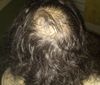
Poordiet and lifestyle contribute to male pattern baldness. Treatments like Minoxidil, dietary changes, and lifestyle adjustments may help slow hair loss.
A poordiet high in sugar and insulin resistance may reduce the effectiveness of finasteride in treating hair loss. Improving diet could potentially enhance treatment results.
A 17-year-old experiencing early hair loss is advised to improve diet and lose weight gradually, as rapid weight loss and poordiet may contribute to hair loss. Minoxidil is not an option due to tachycardia, and finasteride is not recommended before age 18; alternatives like magnesium oil and dermarolling are suggested.
The user experienced significant hair regrowth using minoxidil (5% topical) once nightly and finasteride (1mg) daily, despite a poordiet, high stress, and lack of sleep. They plan to start dermastamping and improve their overall health for better results.
A 19-year-old is experiencing early hair loss, possibly due to oily skin, stress, poordiet, and lack of sleep. They have tried ketoconazole shampoo without success and plan to visit a dermatologist for further advice.
Omega 3 and 6 supplements are considered ineffective for hair growth by most users, with some suggesting they only help if combined with other nutrients or if the diet is poor. Users generally find traditional treatments like minoxidil and finasteride more effective.
A 34-year-old woman has been using a topical solution of 5% Minoxidil and 0.1% Finasteride since January 2026 to address hair thinning caused by PCOS and poor nutrition. She reports ongoing hair shedding but has improved her diet with whole foods and supplements.
The conclusion of the conversation is that the user, who has been using finasteride for 11 years and then switched to dutasteride and minoxidil, has experienced minimal side effects and significant hair regrowth. They also mention that side effects are rare and often related to other factors such as poordiet and low testosterone levels.
A user with low testosterone and mild gyno is considering finasteride for hair loss. Others suggest consulting an endocrinologist first and share experiences of finasteride not worsening gyno.
Diet and lifestyle changes can reduce hair shedding but won't regrow hair lost to genetic male pattern baldness. Treatments like finasteride and dutasteride are necessary for significant hair regrowth.
Diet can influence hair health, but male pattern baldness (MPB) is primarily genetic. Treatments discussed include Minoxidil, finasteride, and RU58841.
A user reversed severe hair loss with dieting, lifestyle changes, and topical minoxidil, highlighting reduced inflammation and body fat. The conversation debates finasteride's effectiveness and the impact of diet and lifestyle on hair health.
The user follows a hair loss treatment routine including Propecia, oral minoxidil, ketoconazole, and plans to switch to dutasteride. They also focus on lifestyle changes, dietary supplements, and are considering laser therapy.
Poor sleep quality may affect hair growth cycles by disrupting the body's natural clock and stress hormones. The focus should be on improving sleep to support overall health, including hair growth, rather than relying solely on treatments like Minoxidil, finasteride, or RU58841.
Improved diet, reduced alcohol consumption, and better water quality led to thicker hair and less shedding. The user also used MSM supplements, vitamin C, multivitamins, biotin shampoo, and growth oil.
Poor gut health may contribute to hair loss and scalp inflammation, with treatments like finasteride, minoxidil, and Nizoral being used. Improving gut health and addressing inflammation might help alleviate symptoms.
High sugar diets may worsen hair loss by increasing 5α-reductase activity and androgen levels, especially in women with PCOS. A low sugar diet might reduce scalp DHT levels, similar to finasteride, but genetics also significantly influence hair loss.
The conversation discusses the ineffectiveness of tablet forms of dutasteride for hair loss due to poor absorption compared to soft gel capsules. It suggests switching to FDA-approved soft gel capsules for better results, as tablets may not adequately suppress DHT levels.
A user experienced significant hair regrowth after improving their diet, getting sunlight, taking a multivitamin, and exercising, following a period of extreme calorie restriction and hair shedding. Others in the conversation attribute the hair regrowth to increased calorie intake rather than just vitamins.
The user reversed male pattern baldness using a pro-thyroid diet, lifestyle changes, and scalp stimulation exercises, without Minoxidil or Finasteride. They reported reduced dandruff, itchiness, oiliness, and experienced hair regrowth and thickening over 15 months.
The user believes neck tension and poor posture contribute to hair loss, noticing improvements with yoga and muscle relaxation. Replies suggest androgenic alopecia as the cause and recommend exercises.
A 26-year-old experiencing crown hair loss after years of neglect due to mental health issues is advised to improve diet, wash hair regularly, and consider using Minoxidil and Finasteride for regrowth.
The user noticed hair regrowth after 4 years of hair loss, coinciding with lifestyle improvements like quitting smoking, exercising, and a better diet. They are curious if dormant follicles can recover under improved conditions.
The conversation discusses hair loss treatments, including the use of minoxidil, finasteride, dutasteride, RU58841, and Nizoral. Participants emphasize the importance of finasteride and minoxidil, while also considering factors like diet, stress, and scalp health.
Minoxidil and finasteride may affect digestion, potentially causing issues like GERD, constipation, and inflammation. The user plans to stop minoxidil for a month and consult a nutritionist about diet changes.
A 19-year-old shared their one-year progress using finasteride for hair loss, despite inconsistent use and poor lifestyle habits. They plan to improve their routine and have noticed thicker beard growth.
The user experienced hair regrowth after 5 months using Minoxidil and PRP treatment. They also took various supplements and adjusted their diet to address deficiencies and support hair health.
A 36-year-old considering a fourth hair transplant is advised to either shave his head or use a hair system due to poor results from previous transplants and late medication use. He plans to consult top surgeons and adjust his current treatments, including finasteride and minoxidil.
User experienced significant hair regrowth after 7 months of using 0.5mg finasteride, along with minoxidil and dermastamp. Side effects include increased sensitivity to poor lifestyle choices, but overall confidence improved.
Dairy may contain DHT precursors that could affect hair loss and prostate health, with some users noting reduced hair shedding after eliminating dairy. Individual responses to dairy and DHT blockers vary, with some attributing hair health to diet changes and others seeing no impact.