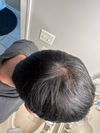
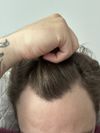
The user experienced significant hair regrowth using a topical treatment of Minoxidil and Finasteride, despite some brain fog as a side effect. They recommend starting treatment early and suggest topical options to minimize side effects compared to oral treatments.
Ashwagandha may cause hair thinning due to increased TSH levels, suggesting a link to hypothyroidism. Users are advised to consult a doctor for proper evaluation.
A natural sugar called 2dDR may stimulate hair growth and is comparable to minoxidil, but it's not widely available for purchase. Concerns about minoxidil's safety for pets were discussed, with some users seeking alternatives.
The user is using Dutasteride and oral Minoxidil for hair regrowth and is considering adding topical Minoxidil but is allergic to propylene glycol, which is present in the product they found. They need a solution with tretinoin that does not contain propylene glycol.
The conversation is about finding alternative sellers of a hair loss treatment combining 5% Minoxidil with tretinoin and azelaic acid, and the convenience of using a premixed product. The user currently uses a product from Minoxidilmax and Kirkland Minoxidil.
A user added 1% NMN to their 5% minoxidil mix for hair loss, which also includes melatonin, ginkgo, nettle root, and plans to add caffeine. They are asking if anyone has tried topical NMN for hair growth.
Oral minoxidil is claimed to be more effective and easier to use than topical minoxidil, with a 100% response rate, but it may cause unwanted body hair growth and has potential heart-related side effects. Topical minoxidil is less effective for many due to enzyme limitations, can cause scalp issues, and is more challenging to apply, but it avoids systemic side effects.
Alcohol-free minoxidil options in Europe, particularly from a German pharmacy, are recommended for those with seborrheic dermatitis. Users suggest alternatives like Alopexy and Doppelherz foam, and emphasize avoiding propylene glycol and alcohol to reduce irritation.
The conversation is about a female experiencing hair loss and seeking advice on why it's difficult to regrow hair. Specific treatments like Minoxidil, finasteride, or RU58841 are not mentioned.
The user tried minoxidil 5% for 3 years with little improvement, then switched to a 15% minoxidil with 0.1% finasteride solution once daily and started using pyrilutamide, resulting in significant hair regrowth over time. They are considering a hair transplant but are continuing with topical treatments to maximize hair growth first.
A 42-year-old male has been using finasteride successfully for over 10 years but is now experiencing thinning at the crown. He is considering adding minoxidil or switching to dutasteride for better results.
Oral minoxidil can increase body hair growth, but effects differ among individuals. Some recommend topical minoxidil to prevent unwanted body hair while preserving scalp hair.
The conversation discusses creating a customized minoxidil formulation with tretinoin, azelaic acid, and caffeine, but there are concerns about foam stabilization due to acidity. The user seeks advice on the best formulation for effective results.
Bimatoprost, latanoprost, and travoprost can aid hair regrowth but are costly and less effective than minoxidil. They work best when combined with minoxidil and finasteride.
Oral minoxidil is more effective than topical for some users, increasing hair density and thickness. Lack of response to topical minoxidil may be due to insufficient sulfotransferase enzyme, which can be upregulated with tretinoin.
A sugar gel containing 2-deoxy-D-ribose has shown promising hair regrowth results in mice, comparable to Minoxidil. Users are discussing the potential to buy and try this compound themselves.
The post and conversation are about the user's experience with oral minoxidil for hair loss. Some users noticed increased hair density, while others experienced unwanted hair growth in different areas of the body.
Oral minoxidil is considered unsafe due to severe side effects and requires close medical supervision, while oral finasteride is viewed as safe and effective. There is debate over the fear-mongering around finasteride and the downplaying of minoxidil's risks, with some users advocating for proper health screenings before use.
A user is considering whether to switch from finasteride to dutasteride or add oral minoxidil for hair loss treatment. Another user suggests trying minoxidil first.
A user asked if they can crush caffeine and melatonin tablets to add to their minoxidil solution. Another user sarcastically suggested adding rat poison.
PP405 is a new hair growth stimulant different from Minoxidil, currently in phase 2 trials. Users discuss its potential, safety concerns, and the long wait before it might be available.
A 28-year-old is assessing their hair loss on the Norwood scale, considering adding topical minoxidil and dermastamping to their current regimen of oral finasteride and minoxidil. They feel their hair loss is worsening and seek opinions on their condition.
The user received 1600 hair grafts but is dissatisfied and plans a second transplant for better coverage. They use minoxidil and finasteride and are considering adding dutasteride.
Peppermint oil may be beneficial for hair growth, potentially outperforming minoxidil. Users discuss its effectiveness compared to other treatments like finasteride and RU58841.
The user added P5P (vitamin B6) to their shampoo to reduce scalp itch, which improved significantly. They have been using finasteride for hair loss but are exploring additional treatments like topical antiandrogens and prolactin inhibitors.
The conversation discusses alternatives to minoxidil for beard growth, focusing on a product called Neofollics Beard Growth Serum, which claims to be effective without using minoxidil. Concerns are raised about its ingredients and effectiveness, especially considering pet safety.
A user discusses a topical treatment combining Minoxidil, Betamethasone Valerate, Canrenone, Finasteride, and Dutasteride for hair loss. The treatment is RX-only and provided by a dermatologist.
The user shared progress pictures of their hair growth after using finasteride, oral minoxidil, and undergoing a hair transplant with 4,200 grafts in Istanbul. They reported thicker hair and noticeable crown regrowth, with no side effects from the treatments.