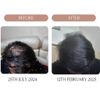
Hair loss discussion includes potential HMI-115 treatment. Topical mucuna pruriens shows good results, blocking prolactin possibly more important than blocking DHT.
A 24-year-old man is experiencing hair shedding after starting Minoxidil and Creatine, and is concerned about accelerated hair loss. A user suggests that Creatine does not increase DHT levels and recommends considering oral Dutasteride, low-dose oral Minoxidil, and Ciclopirox Shampoo, advising consultation with a doctor.
Piroctone Olamine at 1% is recommended for reducing scalp inflammation and encouraging hair growth. The user seeks recommendations for UK shampoos/conditioners containing this ingredient.
Scube3, a potential hair loss treatment, is unlikely to be released because it was given to a startup company, Amplifica, which may go bankrupt and fail to bring the treatment to market. Amplifica is prioritizing other treatments over Scube3, which could lead to financial loss and the end of Scube3's development.
Minoxidil caused water retention and gastrointestinal issues for the user, which improved after stopping the medication. The user is now using finasteride and topical minoxidil, experiencing excessive urination and concerns about systemic absorption.
PP405 may not need daily use like minoxidil, but finasteride might still be needed to maintain hair regrowth. PP405 reawakens dormant hair follicles, potentially offering a long-term solution, though not a permanent cure.
The user is currently using oral finasteride for hair loss and considering adding Eucapil, dutasteride mesotherapy, and microneedling to their treatment regimen. They are seeking alternatives to minoxidil, such as Stemoxydine, due to concerns about minoxidil's side effects.
The conversation discusses a study comparing microneedling combined with minoxidil versus biotin/panthenol for hair loss. Results suggest biotin/panthenol may be superior to minoxidil, though the sample size was small.
Hopeful treatments for hair loss, including Verteporfin, Androgen Receptor Degradation, and SCUBE3. These treatments offer potential solutions to slow or stop the effects of androgens on the scalp.
A 23-year-old has been using finasteride, dutasteride, and spironolactone to combat hair loss and hormonal acne, with mixed results and concerns about side effects. The user is experimenting with spironolactone despite its potential risks, hoping for skin and body hair improvements.
Pelage Pharmaceuticals raised $120M for their hair loss treatment, PP405, showing strong investor confidence despite limited data. There is skepticism about its efficacy and long-term effects compared to treatments like GT20029.
Peppermint Essential Oil (PEO) was discussed for its hair regrowth effects on shaved mice after 4 weeks. Specific treatments mentioned include Minoxidil (Min), Finasteride (Fin), and RU58841 (RU).
A user is seeking topical versions of minoxidil and finasteride in Australia that do not contain propylene glycol. They are looking for alternatives due to potential irritation from propylene glycol.
The conversation discusses managing seborrheic dermatitis (sebderm) and male pattern baldness (MPB) with treatments like finasteride, coal tar shampoo, Nizoral, and oral minoxidil. Users suggest dietary changes, regular shampooing, and using antifungal products to control sebderm before considering minoxidil.
A 17-year-old is using Finasteride and Minoxidil for hair loss, experiencing hair shedding and cystic acne. They are considering Dutasteride for acne but are concerned about potential side effects on genital development.
A 21-year-old experiencing itchy and burning scalp with hair loss was diagnosed with MPB and scalp inflammation. They were prescribed Ketoconazole, Prednisone, Clindamycin, and Finasteride, and are considering trying antihistamines, dietary changes, and "nopoo" to alleviate symptoms.
The user is using minoxidil, finasteride, dermarolling, and other treatments for hair regrowth, showing promising results in the temple area. Despite some skepticism, there is optimism about potential improvement.
The user successfully reduced hair loss using pumpkin seed oil, Nizoral shampoo, and astaxanthin without using minoxidil or finasteride. They observed significant improvement over 12 months and believe the combination of treatments is effective.
The conversation discusses concerns that Minoxidil may cause skin aging, like collagen depletion and puffier faces. Some users suggest that a good skincare routine or collagen supplements might prevent these effects.
The conversation discusses using scalp antiandrogens like RU58841, pyrilutamide, or fluridil on the face to reduce sebum production, noting that clascoterone (winlevi) is an approved facial antiandrogen with underwhelming reviews.
PP405 might make minoxidil unnecessary, but finasteride or other 5AR inhibitors may still be needed. PP405 is expected to be expensive and not available until at least 2028, with limited information on its effectiveness.
A user made a 70/30 ethanol/propylene glycol topical finasteride solution but noticed chunks at the bottom. The discussion focuses on this issue with the DIY hair loss treatment.
Diffuse thinners often experience more hair regrowth with DHT blockers like finasteride, possibly due to less DHT sensitivity and the presence of miniaturized, not completely bald, follicles. However, regrowth varies widely among individuals, influenced by factors like genetics, the stage of hair loss, and treatment methods such as minoxidil, microneedling, and dermarolling.
Oral minoxidil was ineffective for OP, causing hair loss and unwanted body hair, while topical minoxidil showed significant regrowth. OP is switching to topical minoxidil with glycerin due to scalp issues with propylene glycol.
A user in their early 20s is concerned about minor hair thinning and is considering a hair loss regimen involving PRP sessions, mesotherapy with dutasteride injections, and low-dose finasteride. They dislike minoxidil due to its greasiness and prefer a routine that is easy to maintain.
The user has been using topical 5% Minoxidil, 0.1% Finasteride, dermastamping, 2% ketoconazole, and a DHT-blocking shampoo with saw palmetto, caffeine, biotin, and argan oil for hair loss. Despite some baby hair growth on one side, the user is experiencing continued hairline recession and shedding, leading to distress.
Researching and developing an effective local antagonist to block the androgen receptors for hair loss, as opposed to using DHT synthesis inhibitors that lower serum DHT levels. Several treatments such as CosmeRNA and Pyrilutamide are currently in development or undergoing trials.
The user is experiencing scalp irritation from a compounded treatment of finasteride, minoxidil, and tretinoin. They are considering switching to a non-alcohol, propylene glycol-free formula with a lower tretinoin percentage to reduce irritation.