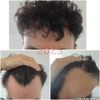
A 44-year-old man has been using finasteride for a year with noticeable hair improvement and no significant side effects. He is considering adding minoxidil but prefers minimal medication use.
Topical dutasteride is considered more effective for hair regrowth with fewer side effects than oral finasteride. Users have mixed experiences, with some preferring topical applications for reduced side effects.
The user experienced successful hair regrowth with Finasteride and Minoxidil but developed erectile dysfunction and abdominal pain, possibly due to medication or lifestyle changes. They plan to consult a urologist and consider adjusting medication or trying supplements like zinc, DIM, or boron.
Finasteride may take over two years to show results and can cause side effects like sexual dysfunction and emotional changes. Alternatives such as dutasteride and minoxidil are discussed, with varying effectiveness and side effects.
Finasteride is seen as risky for men due to side effects like erectile dysfunction, while hormonal birth control for women is normalized despite its side effects. The discussion points out a double standard influenced by societal and gender norms.
Finasteride may decrease free testosterone by increasing SHBG, potentially causing side effects like reduced libido and hormonal changes. Some find it effective for hair loss, while others experience negative effects.
The conversation is about starting a hair loss treatment with oral and topical Minoxidil, 1mg Finasteride, and a Biotin supplement. The user is advised to start with the prescribed 1mg Finasteride and lower the dose if side effects occur.
Finasteride may cause elevated liver enzymes, potentially leading to liver issues, though this is rare. Users should monitor liver function and consider topical alternatives if liver sensitivity occurs.
The conversation discusses finasteride for hair loss, especially among those with a history of depression. Users shared mixed experiences, with some reporting no issues and others experiencing worsened depression.
The user reports seeing hair regrowth progress after using finasteride for 5.5 months and minoxidil for 2.5 months, sharing before and after photos. Replies include congratulations and encouragement.
A user shared their positive experience with finasteride and minoxidil for hair loss, noting significant improvement and regrowth after 1.5 years of treatment, despite initial side effects. They are now happy with their hair and personal life.
A user shared that while finasteride improved their hair, it didn't solve all their insecurities, suggesting that self-acceptance is key. Others in the conversation expressed varying opinions, with some feeling that finasteride significantly boosted their confidence and quality of life, while others acknowledged it as a solution to hair loss but not a cure-all for other personal issues.
A user shared their positive experience with hair regrowth after 3 months of using 6% Minoxidil and 0.3% Finasteride spray. They experienced temporary erectile dysfunction but it resolved, although morning erections are less frequent.
A user shared their hormone levels to gauge if they can use finasteride for hair loss without issues. Their hormone levels are mostly within the reference ranges.
This conversation is about the effectiveness of Finasteride and Minoxidil as treatments for hair loss, with SnooBooks5080 claiming positive results from using both medications. However, other participants in the conversation caution that there are potential side effects to be aware of when taking Finasteride and advise people to do their research before making a decision.
A user is starting a topical finasteride treatment for diffuse patterned alopecia, having previously used minoxidil without success. They are cautious about side effects and have chosen topical over oral finasteride, while also using Nizoral and biotin in their routine.
The user is experiencing reduced climax sensation and decreased volume while on Finasteride for hair loss. They are considering whether lifestyle changes or time might improve these side effects.
A 5-year-old male considering using finasteride to prevent receding hairline, with suggestions ranging from topical minoxidil and estrogen treatments to hair transplantation and shaving.
A user stopped finasteride after 15 years due to severe side effects, which improved after quitting. They maintained most of their hair and are considering alternatives like topical treatments or RU58841.
Finasteride may help prevent hair loss for those concerned about creatine, despite no proven link between creatine and hair loss. Personal experiences with creatine and hair shedding vary.
The user maintained hair with finasteride for 4.5 years and noticed some progress with dutasteride after 6 months, experiencing reduced chest and facial hair. They did not use minoxidil and reported no side effects from either treatment.
A 28-year-old male with a family history of baldness is deciding whether to start finasteride now or wait for visible hair changes. He is considering starting finasteride immediately to proactively address potential hair loss.
Finasteride can slow beard growth, but minoxidil and dermarolling may enhance beard thickness. Minoxidil is suggested for permanent beard gains, while finasteride is mainly for scalp hair maintenance.
The conversation discusses a user's experience with topical finasteride for hair loss over a year and five months, including a two-month break due to financial reasons. Another user inquires about increasing their dosage due to lack of progress after three months.
The user's experience and success with taking finasteride to treat hair loss, which is confirmed by other users who have taken it without side effects. The user also advises that consulting a doctor before starting any kind of treatment for hair loss is important, as opposed to relying on self-made remedies available online.
The conversation provides a guide on using finasteride for hair loss, suggesting to start with a quarter of a 1mg pill daily after ensuring estradiol levels are within a specific range, and potentially increasing the dose if no side effects occur. It also recommends supplements like DIM, Calcium d-glucarate, and Zinc to manage high estradiol levels and side effects from finasteride.
Celebrities may use Dutasteride for hair loss, but Finasteride is more commonly used due to its extensive research and long-term safety. Dutasteride is considered more effective but is often used off-label or as a secondary option.
Many users have maintained their hair using finasteride, with some also using minoxidil or dutasteride, reporting minimal side effects. Opinions vary on the necessity of DHT, with some users arguing its importance beyond puberty, while others believe it is unnecessary and that finasteride and dutasteride are safe and effective for hair maintenance.
The conversation discusses the use of dutasteride and minoxidil for hair loss treatment, with concerns about potential side effects and the effectiveness of dutasteride compared to finasteride. The user is advised to monitor for side effects and consult with a doctor, while also considering the differences between the medications.