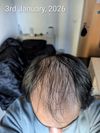
Oral minoxidil may cause dry skin and dark eye bags but doesn't significantly age the skin. Topical minoxidil is toxic to cats, and some users prefer finasteride.
A 48-year-old man has been using minoxidil for 15 years and considered finasteride but stopped due to potential side effects. He is concerned about his mental health and the impact of hair loss on self-image, and he encourages support among men experiencing hair loss.
Sugary beverages increase the risk of pattern hair loss in men by 57%, and type 2 diabetes is linked to female pattern hair loss. Reducing sugar intake and using treatments like finasteride and minoxidil may help manage hair loss.
Chris Bumstead got a hair transplant at Now Hair Time, and the discussion focuses on why he chose a less reputable clinic despite having the means for a better one, with some suggesting it was for financial gain. The conversation also touches on concerns about the naturalness of the hairline and the potential impact of his steroid use on the transplant's success.
A user shared their positive experience with Hims Topical Finasteride & Minoxidil Spray for hair loss over 5 months, noting an improvement in their receding hairline without taking finasteride pills. Their daily routine includes applying the spray after showering and then styling their hair.
User GreatCanuck experienced hair regrowth after using finasteride for a year, reducing anxiety about hair loss. Others in the conversation shared similar positive experiences and discussed family members using the treatment.
A new Latanoprost-based formula used by Hollywood celebrities to treat hair loss, with the formula containing minoxidil, tretinoin, melatonin, azelaic acid, zinc thymulin, vitamin B6, sandalore and methyl vanillate. It also mentions the potential of offering a combined sublingual minoxidil/oral dutasteride option in the future.
Discouragement regarding Pyrilutamide, a drug in development for hair loss, and the potential side effects of Finasteride. People discussed anecdotal experiences with Pyrilutamide as well as suggestions to wait out Phase 3 trials before making any conclusions.
This user experienced improvements in their hair density and texture through the use of finasteride (1.25mg) and minoxidil (5%) applied topically once a day over 8 months, with no reported side effects other than slightly lowered libido.
A user's experience with finasteride and oral minoxidil for treating hair loss, which resulted in great regrowth and improved mental state. Other users asked questions about their own experiences with the treatments.
Making a 1 year update on hair loss treatment of Finasteride, 5 mg oral minoxidil and topical minoxidil with 1.5 mm dermarolling; the user experienced some face pimples, baggy eyes, and had tried skin care. They also used fiber with their hair product and left it for a few days to make it look visually better. Replies were positive and one asked if using both oral and topical minoxidil was overkill.
A user who reported positive results from using 1.0mg Finasteride daily and 1.5mm Microneedling every two weeks for eight months, as well as advice about adding Minoxidil to further improve the regrowth process.
A user's hair loss treatment regimen, which includes minoxidil, ketoconazole shampoo and microneedling; some participants questioned the results due to previous posts about hair transplants, but others agreed that quick results are possible with certain treatments.
User got first hair system and feels confident. Cost $200, attached at hairclub for $150, considering $400 monthly membership for weekly visits and new system monthly.
HairClone plans to start hair multiplication services in 2022. Users discuss various treatments like Minoxidil, finasteride, PRP, and hair cloning, expressing both hope and skepticism about the technology and its costs.
Natural remedies to treat hair loss, such as polyphenols, apple peel extract, grape seed extract, green tea extract, peppermint oil, pumpkin seed oil, apigenin, Ginkgo biloba, red clover extract, olive leaf extract, Ecklonia Cava and Grateloupia elliptica. In addition, terpenes, carotenoids, and tocopherols were discussed as potential treatments.
Regrowing hairline without the use of Minoxidil or Finasteride, and instead using mechanical stimulation such as Derma Roller, Nizoral, Zinc Pyrithione, Scalp Massage, Scalp Exercise, Fish Oil and other topical solutions. It is cautioned that there are risks associated with not using medically-prescribed treatments, but it is suggested to consider mechanical stimulation in addition to those prescribed treatments.
A 21-year-old has been using daily oral finasteride, minoxidil, biotin, and vitamins since January 2026 for hair loss, adding topical treatments and microneedling in May. They observed initial shedding and scalp issues but noted significant progress after adjusting their routine.
Finasteride and Dutasteride are under review in the EU due to concerns about side effects like depression, but they are unlikely to be banned. Access to these medications varies, with easier availability in the UK compared to some EU countries.
This conversation is about a user's progress pictures of 10 month results after using 5% topical minoxidil, which were well-received by other users. Other users suggested that the user add finasteride to their hair loss treatment regimen for longer lasting results.
Pyrilutamide, a potential topical treatment for male pattern baldness, and the user's anticipation of its Phase 2 trial results. Several users discussed their experiences with Finasteride and RU58841, while others voiced skepticism about the efficacy of Pyrilutamide.
Finasteride is effective and affordable for preventing hair loss but may cause side effects like low libido. Some users combine it with minoxidil for better results, while others consider alternatives like dutasteride due to side effects.
PP405 shows promise in activating dormant hair follicles and increasing hair counts but lacks detailed efficacy data compared to minoxidil and finasteride. Opinions are mixed, with some optimism and skepticism about its effectiveness.
Hair loss is linked to a higher rate of body dysmorphic disorder (BDD), OCD, and depression. Finasteride and dutasteride are not linked to increased suicidal risk, though some users report mental health side effects.
Successful hair regrowth after six months using finasteride and topical minoxidil, with minimal side effects like anxiety. Finasteride was the main treatment, and minoxidil supported regrowth.
Breezula shows promising hair growth results, with up to 539% increase in hair count compared to placebo, and regulatory submissions are planned in the US and EU. Users are cautiously optimistic, noting the potential for Breezula to replace finasteride by targeting DHT without systemic effects.
Finasteride users may have an increased risk of depression, anxiety, and suicidal thoughts, though some attribute these issues to hair loss itself. The link between finasteride and mental health effects is debated, with varying user experiences.
Finasteride can regrow hair but may cause depression and suicidal thoughts in some users. The connection between finasteride and mental health issues is debated, with some attributing it to pre-existing conditions or stress.
A Korean laser helmet increases hair growth by 44% compared to a placebo. Users discuss its cost-effectiveness, clinical support, and compare it to treatments like finasteride and minoxidil, focusing on wavelength and energy density.