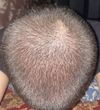
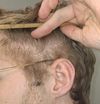
User shares 8-month hair transplant update with 3800 grafts, using Minoxidil and Xpecia. Others express amazement at results and discuss costs and procedures.
A user underwent a hair transplant with 3500 grafts after trying treatments like finasteride and minoxidil, preferring a local clinic in Toronto over traveling to Turkey. The user plans to continue using finasteride to maintain existing hair, as the transplanted hair is DHT resistant.
The post is about a user's 8-month progress after a hair transplant at Attica Clinic using 1400 grafts, oral Biotin, Pura D'or Serum, Klorane Quinine Shampoo, microneedling, and daily 5-minute scalp massages. The comments vary, with some praising the results and others criticizing them as unnatural.
A user's transformation due to their efforts in fighting hair loss, which was achieved without a hair transplant; the discussion includes advice about treatments such as minoxidil and finasteride.
An 18-year-old noticed hair thinning at 17, started finasteride 5 months ago, and saw shedding stop but no regrowth. They suspect male pattern baldness due to family history and are concerned about thinning on the back and sides, possibly due to inflammation.
Hair loss may be linked to blood flow and inflammation, with treatments like Minoxidil, finasteride, and quercetin being discussed. The conversation also mentions the role of 5AR enzyme distribution in hair follicles.
A potential treatment for hair loss that involves injecting fat into the scalp; the role of testosterone and estrogen in thinning fat tissue under the skin; research on using lard to treat androgenic alopecia, as well as PRP + ACELL/amniotic stem cell treatments; and ongoing clinical trials by doctors involved in the study.
Norwood 7 hair loss is often excluded from trials to ensure treatments appear more effective and to reduce costs. Some believe treatments effective for Norwood 5 could work on Norwood 7, but companies prioritize market readiness.
The user is experiencing hair thinning on the sides and back of the head while the top remains thick. A reply suggests it might be retrograde alopecia.
A user shared their positive experience with a hair transplant in Istanbul, specifically for afro hair, and mentioned having no regrets 9 months post-operation. The user also noted that they got braids after doctor approval, sparking mixed reactions about the potential impact on hair health.
The conversation discusses whether someone with a naturally large forehead and widow's peak can get a hair transplant and start finasteride early. It also mentions a surgery to lower the hairline as an alternative.
A user shared their positive experience with a 3200 graft hair transplant surgery, costing 1.20 lakh INR, performed by a doctor with a background at Eugenix. Post-surgery, they were instructed to use minoxidil 5% topically, take finasteride tablets, and undergo PRP treatments.
A 27-year-old male with diffuse hair loss, including the donor area, did not respond to finasteride, dutasteride, or minoxidil. He suspects his hair loss may be linked to a mild connective tissue disorder, possibly affecting the structural support of hair follicles, rather than being purely hormonal.
A user is participating in a phase 3 trial for Clascoterone, a topical acne medication that may stimulate hair growth, and will share results after 6 months. They will have a section of their hair shaved and marked with a tattoo for the study.
The post discusses the use of mesotherapy with dutasteride for hair loss treatment, showing before and after photos. The conversation includes mentions of Minoxidil, finasteride, and RU58841 as other treatments.
A user shared their positive experience and results 10 months after a hair transplant at Mercure Istanbul Clinics, using 3000 grafts. They expressed satisfaction with both the outcome and the clinic's service.
The user is very satisfied with their hair transplant results after six months, using finasteride, minoxidil, and ketoconazole shampoo. They praise Dr. Anuj and consider future touch-ups for a small untouched crown area.
A user's experiences with hair loss treatments, including finasteride and hair transplants, in relation to another person who has been publicly vocal about their own hair loss struggles. People have shared opinions on this other person's treatment choices and the results of their hair transplant.
A user's successful hair transplant, with some people questioning the donor area regrowth, and others speculating that hair fibre may have been used to help fill in areas.
A human trial of verteporfin, a drug that can inhibit wound healing by scarring and promote regeneration of original tissue and hair follicles to provide an unlimited source for hair transplants; people discussed the potential of this drug and how it could be rolled out in mainstream with more doctors getting on board.
A user shared their positive experience with a hair transplant surgery, detailing the process and results, including the use of 2800 grafts and post-surgery treatments like PRP. They also mentioned using finasteride, minoxidil, and supplements to maintain hair growth.
Hair transplant results after 1 year discussed, with mostly positive feedback on density and appearance. User considers another surgery for hairline, but overall improvement noted.
PP405 cannot restore extracted hair follicles after a transplant as they are removed, not dormant. Combining verteporphin with wounding and PP405 is suggested but not confirmed effective.
A user shared their positive experience 12 months after a hair transplant with 4052 grafts and 10130 hairs, using finasteride, red light therapy, B12, biotin, and rosemary oil. They are satisfied with the results and recommend these treatments.
A 29-year-old reports positive hair recovery after 7 months using liposomal topical finasteride and minoxidil, low-level light therapy, and vitamins, following a 3600 graft DHI procedure. They experienced no side effects from the topical treatment, unlike with oral finasteride.
Exploring the potential of using verteporfin during hair transplants to minimize scarring and regenerate follicles, as well as discussing a possible standardized protocol for this treatment.
The conversation is about a user sharing their positive experience with Scalp Micropigmentation (SMP) for hair loss, highlighting the natural look achieved by a specialized artist. The procedure cost $2600 and was done by Alex Corona in Panama City Beach, FL.
A 28-year-old male experiencing diffuse thinning and miniaturization around the ears and back has tried finasteride, dutasteride, and both topical and oral minoxidil without success. He is seeking advice on identifying the type of hair loss and next steps since current treatments are ineffective.
A user shared their experience with a beard-to-scalp hair transplant, noting no visible scars and improved hair density using finasteride and minoxidil. The conversation discusses the differences between beard and scalp hair, potential changes in hair texture, and the use of beard hair for increased scalp coverage.