Search
for
Sort by
Community Join
150-180 / 1000+ resultscommunity Anyone use Verteporfin with their hair transplant yet?
User discusses using Verteporfin for hair regrowth after hair transplant. Replies mention successful follicle regrowth in studies and mice, questioning if it can be replicated in humans.
community How I lost 30% of my hair density (don’t make the same mistake)
User stopped micro needling and lost hair density. Recommends consistency in treatments and not stopping micro needling even if painful.
community 5 months post op in 5 days 4500 graphs - hair is starting to fill out nicely 🥹 low dosage RU .25ml on native hairs daily ( avoiding transplant hair ) prp once a month. No other medications and ALL hair loss has halted - Next update will post up between 6-8 months.
The user "Curious_Conflict_959" shared a progress picture of their hair transplant after 5 months. They used a low dosage of RU on native hairs and had PRP treatments. All hair loss has stopped.
community 1700 grafts + fin min 1.5 year apart. I wish i started fin earlier.
A user shared their experience with hair loss, using finasteride and minoxidil, and eventually undergoing a hair transplant of 1800 grafts. They regret not starting finasteride earlier and mention that despite the transplant, their scalp is still visible under strong light.
community 3 Weeks After the Hair Transplant (before the ugly duckling phase). In my 20s, got some hope back
A user who underwent a hair transplant in their twenties and are now discussing the best treatments for long-term management of hair loss, such as finasteride and Minoxidil, as well as potential alternative treatment options like RU58841.
community Which hairs are the ones "permanently" lost? The long wispy hairs, the short baby hairs, or both?
The conversation discusses identifying permanent hair loss and includes treatments like microneedling and biotin vitamins. The user is unsure whether the reduction in wispy hairs is due to hair revitalization or loss.
community Anyone who is not taking fin after hair transplant, how is you hair now?
The conversation is about the effectiveness of finasteride (fin) in preventing hair loss after a hair transplant. Some users have experienced hair thinning and loss after stopping finasteride, while others have had success with finasteride and minoxidil (min) in maintaining their transplanted hair. The general consensus is that finasteride is important for younger patients to prevent further hair loss.
community Crown recovery update - 7 months of treatment
A 29-year-old reports positive hair recovery after 7 months using liposomal topical finasteride and minoxidil, low-level light therapy, and vitamins, following a 3600 graft DHI procedure. They experienced no side effects from the topical treatment, unlike with oral finasteride.
community Heavy hair fall post 7 months of hair transplant
After 7 months of a hair transplant, the user is experiencing significant hair loss despite using a minoxidil and finasteride topical solution daily. Losing around 100 hairs daily might be normal, but if it persists, other causes should be considered.
community People are misunderstanding PP405. 31% response at 8 weeks is better than you think
PP405 shows promise as a hair loss treatment, with 31% experiencing increased hair density in a short trial. It may complement treatments like finasteride and minoxidil, but long-term effectiveness and safety need confirmation.
community Having kids with finasteride and stopping it for 6 months to a year?
The user is considering starting finasteride for hair loss but is concerned about potential risks to male fetuses, as his wife is pregnant. He is debating whether to delay starting finasteride until after having children, as he is currently using minoxidil with good results.
community 2 year anniversary of my 2500 FUE procedure. It's not perfect and I worry about continuing to lose ground through dut and min all the time, but as of right now I am super glad I went through with it.
User celebrates 2-year anniversary of 2500 FUE hair transplant procedure and worries about future hair loss. Others compliment the results and suggest using Dut and Min to maintain hair.
community I'm having good initial results from PRF after an illness--ask me anything
The user experienced hair loss after chikungunya and started PRF (platelet-rich fibrin) injections with injectable Dutasteride, noticing new hair growth. They are hopeful for continued improvement.
community Severe shedding and thinning around 1 year after hair transplant — can transplanted hair grow back?
The user experienced severe hair shedding and thinning about a year after a hair transplant, despite using finasteride and minoxidil. They are concerned about whether the transplanted hair can regrow or if it is miniaturizing.
community Losing ground on 3x a week finasteride
The user is experiencing hair loss despite using finasteride three times a week due to side effects and is considering alternatives like topical finasteride, estrogen blockers, or dutasteride. They are also interested in potential treatments like GT20029 and pyrilutamide.
community Hasson & Wong: Dr Jerry Wong FUT 2877 Grafts. Failed surgery. Possible negligence and illegal behaviour.
A user who had FUT surgery for 2877 grafts with Dr Jerry Wong of Hasson & Wong that resulted in low growth and an abnormally wide scar, suggesting negligence by the doctor and possibly illegal behaviour by an unqualified technician. The post sparked discussion about seeking legal action, as well as criticism of the clinic's high cost.
community Likelihood of new treatments in the next few years?
New hair loss treatments like Shiseido/Replicel and Histogen were discussed, with cautious optimism about their availability by 2018. Setipiprant, Replicel, and Bimatoprost were mentioned as potential treatments expected around 2016-2017.
community Microstamp guide?
Microneedling for hair loss, with concerns about cost and conflicting information on protocols. The user is unsure about purchasing and reusing microneedling stampers.
community Shower thought: at least this might be the last year we don't have Phase 2 results.
New hair loss treatments, including Breezula, VDPHL01, and PP405, are nearing Phase 3 trials, offering hope for effective solutions. Current treatments like finasteride and minoxidil remain effective, but early intervention is crucial.
community Verteporfin Update #2: Day 1 through Month 1 | Dr Blake Bloxham | Feller & Bloxham Medical | NY, NYC
The conversation discusses the use of Verteporfin in hair loss treatment. It suggests that Verteporfin could potentially regenerate hair follicles instead of forming scars, providing an unlimited donor supply for hair transplants.
community Kintor's KX-826 Phase 2 data release is officially pushed back to September due to COVID:
Hair loss discussion includes treatments Min, Fin, and RU. Kintor's KX-826 Phase 2 data release delayed to September due to COVID.
community How to increase graft survivability after HT?
A user is seeking advice on increasing graft survivability after a hair transplant, mentioning PRP, Mesotherapy, Stem Cell injections, and considering L-Arginine before starting Minoxidil. They are looking for ways to support blood flow before applying Minoxidil.
community Lost gains after medication breaks — advice needed (Fin → Dut + Oral Min)
A 25-year-old male experienced hair loss after taking breaks from oral dutasteride and minoxidil, leading to concerns about losing progress. He is advised to remain consistent with his current regimen and avoid adding spironolactone.
community How do we only have two treatments to combat hair loss at this point in time?
The post discusses frustration over the limited and not always effective treatments for hair loss, mainly Minoxidil and Finasteride. The conversation includes mentions of potential new treatments like GT20029, HMI-115, CosmeRNA, KX-826, and microneedling, but also highlights the challenges of funding and prioritizing research in this area.
community Almost 2 months from post op !!!
The user shared their hair transplant progress, using saw palmetto, vitamins, biotin, zinc, ginseng, ozonized olive oil, and a dermaroller with serum. They avoid finasteride due to trying for a second child.
community 11 weeks post op !!!! What you think ?
A user shared their 11-week post-op hair transplant results, noting they use only vitamins, not minoxidil or finasteride. Replies suggest starting finasteride to maintain results, with mixed opinions on the current progress.
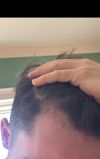
community Am I wrong to lose hope?
The user is experiencing worsening hair loss despite using finasteride and oral minoxidil, and is questioning if it's a shedding phase or if the treatments are ineffective. They express regret for starting the treatments as preventative maintenance.
community Verteporfin Update #4: Month 5 | Dr Blake Bloxham, Feller & Bloxham Medical
The conversation discusses patient updates on hair loss treatment with Verteporfin after five months, as reported by Dr. Blake Bloxham. Patients voluntarily sent their progress pictures to Dr. Bloxham.
community 6 months .5mg oral fin and irestore laser cap every other day
The user experienced hair regrowth using 0.5mg oral finasteride and the iRestore laser cap every other day, with reduced shedding. They also take collagen peptides and Nutrafol vitamins, though they are unsure of the latter's effectiveness.