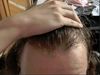
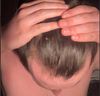
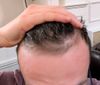
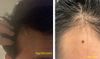
User experiences slow hair regrowth despite using finasteride, topical minoxidil, and supplements like biotin, zinc, and collagen. They seek advice on addressing overall slow hair regrowth.
The user experienced hair regrowth and reduced shedding using saw palmetto, biotin, minoxidil, fish oil, and Nizoral, but hairloss resumed after discontinuing the regimen. They are considering reintroducing the regimen and possibly trying finasteride.
A 24-year-old experienced improved hair growth using 5% minoxidil, 1 mg finasteride, and dermastamping, but faced side effects like low libido and mild erectile dysfunction. They plan to reduce finasteride dosage after full results and may consider a hair transplant if thinning recurs.
A 23-year-old male experienced significant hair thinning and started using finasteride, minoxidil, biotin vitamins, and DHT blocking shampoo. He saw reduced hairloss, thicker hair, and minimal side effects, encouraging others to try similar treatments.
Finasteride and minoxidil are commonly used for hairloss, with RU58841 and microneedling also showing effectiveness. Oral minoxidil and dutasteride are noted for their impact, while side effects and alternative treatments like ketoconazole and natural DHT blockers are discussed.
A 23-year-old woman is considering starting minoxidil for hair thinning but is concerned about its long-term use and effectiveness. Recommendations include consulting a doctor, checking ferritin levels, and considering treatments like spironolactone or finasteride, while minoxidil is suggested for regrowth but not as a primary treatment.
The user has been using finasteride, minoxidil, Viviscal, biotin, saw palmetto, fish oil, and alternating shampoos to combat hairloss but continues to experience thinning, especially at the hairline. They are considering trying dutasteride but are hesitant, and they are contemplating shaving their head if the situation doesn't improve.
Hair regrowth in transfems is more effective due to hormonal changes, specifically estrogen, which keeps hair in growth phase longer. Treatments mentioned include anti-androgens, sex hormones, and DHT blockers like finasteride.
The conversation revolves around the psychological impact of hairloss and various treatments. Participants discuss using Minoxidil (Min) and Finasteride (Fin), hair transplants, and therapy for mental health. Some also recommend immediate action at the first signs of hairloss and joining supportive communities.
The user is using a combination of hairloss treatments including finasteride, stemoxydine, oral minoxidil, RU58841, dermastamping, ketoconazole shampoo, collagen, Viviscal, and biotin, and has improved their diet. Despite these efforts, they are still experiencing hair shedding and scalp itchiness, and are considering increasing their minoxidil dosage or starting dutasteride.
A 23-year-old man experiencing hair thinning and a receding hairline is advised to consider treatments like finasteride and minoxidil. Shorter haircuts, such as a buzz cut, may help hair appear thicker, and wearing headphones is unlikely to significantly impact hairloss.
27-year-old female experiences aggressive hair thinning and hirsutism despite normal testosterone levels. Spironolactone and 2% minoxidil were ineffective; high DHEA sulfate levels may be the cause.
A 29-year-old is using oral minoxidil, finasteride, hormone replacement therapy (HRT), and microneedling for hair regrowth. They started balding at 20, worsened at 25, and are transitioning with testosterone blockers.
A mid-40s male experienced significant hairloss after weight loss, tried minoxidil with no success, then started 1mg finasteride daily, resulting in reduced hairloss and thicker hair in three months. Users expressed amazement and inquired about side effects and improvement timeline.
A user with PCOS experienced hairloss and found success using a triple dose of O.N.E Omega by Pure Encapsulations after discovering low Omega fatty acids. Biotin provided minimal improvement, but the Omega supplement significantly restored hair.
Cyproterone Acetate stopped hairloss and led to regrowth on the temples for a transgender individual, which is considered a good sign. Unlike Minoxidil and Finasteride, which can cause initial shedding, Cyproterone did not cause shedding.
A 22-year-old experiencing hairloss, initially attributed to stress, found temporary relief with minoxidil but faced increased shedding after stopping and restarting the treatment. The advice given suggests the hairloss may be due to androgenic alopecia rather than stress, recommending consistent use of minoxidil and considering finasteride, with a suggestion to seek a second opinion from another dermatologist.
The user is experiencing hairloss at the hairline and is using finasteride, but considering minoxidil due to lack of improvement. Replies suggest that minoxidil may be more effective for hairline maintenance, especially when used in combination with finasteride.
The user is experiencing thinning at the temporal points and has been using minoxidil, dermarolling, and a mixture of natural oils to improve hair growth. They are considering finasteride as a potential treatment based on shared information.
A 25-year-old male with androgenetic alopecia experienced improved hair condition after using finasteride, oral minoxidil, and dutasteride, but later faced diffuse thinning and texture deterioration after a shedding phase. Others suggest patience, continued treatment, and using ketoconazole shampoo, with some sharing similar experiences of post-shed thinning.
A young woman, 23, is experiencing all-over hair thinning and has been using Minoxidil 5% foam, iron supplements, and vitamin D with no improvement. She feels depressed and is seeking support and advice on what to try next.
A user on dutasteride for hairloss noticed hair regrowth on their head but a significant reduction in body hair growth. They plan to switch to finasteride and dutasteride and are considering testosterone replacement therapy but are concerned about its effects on hair growth.
The user is experiencing rapid hairloss despite using dutasteride, minoxidil foam, and ketoconazole shampoo, and is concerned about waiting longer to see results. A suggestion was made to consult a dermatologist for a tricoscopy and consider higher doses of dutasteride, while also checking for nutritional deficiencies and thyroid issues.
The user is experiencing asymmetrical hairloss at the frontal hairline and is concerned about potential conditions like frontal fibrosing alopecia. They have started using finasteride and pumpkin seed oil to address the issue.
The conversation discusses hairloss treatments without using Minoxidil, Finasteride, or Dutasteride, focusing on addressing hormonal issues and low ferritin levels. Suggestions include consulting a hematologist, checking for vitamin D deficiency, thyroid issues, anemia, and considering serums with copper peptides.
A 22-year-old male experiencing diffuse thinning started finasteride and 2% minoxidil 8 months ago, then switched to 5% minoxidil with tretinoin 4 months ago. Despite initial improvement in hair density, he is now experiencing increased hair shedding, losing 100-200 hairs daily.
A 30-year-old with a family history of receding hairlines is considering starting finasteride due to gradual hairline recession. They are seeking advice on whether to begin treatment or if they are worrying unnecessarily.
A 40-year-old woman with naturally thin and fine hair is seeking advice on over-the-counter treatments for hairloss and is open to prescription options for her upcoming doctor's appointment. She has tried biotin, Nioxin, various haircuts, and colors, and has had blood tests for deficiencies.
A 27-year-old is experiencing hair thinning and receding, currently using finasteride and planning to start minoxidil. They seek advice on hairline treatment options, including styling, PRP, peptides, and micro-needling.
A 20-year-old is experiencing aggressive hairloss and is using oral finasteride, topical minoxidil, tretinoin, rosemary oil, and dermarolling in an attempt to manage it. They are concerned about their appearance and future hairloss, seeking advice on additional treatments.