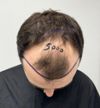
The user has been using a hair loss treatment protocol including topical dutasteride, minoxidil with tretinoin, ketoconazole shampoo, microneedling, a laser cap, and vitamin D for 15 weeks, showing impressive progress. Feedback suggests continuing medical therapy for 12-24 months before considering a hair transplant.
The user reported significant hair regrowth after seven months using topical minoxidil 5% combined with 0.1% finasteride and weekly micro needling. The community responded positively, noting visible improvement and discussing the effectiveness of topical versus oral finasteride.
The conversation is about hair regrowth progress using a combination of treatments: dutasteride, minoxidil, RU58841, ketoconazole, and monthly microneedling. The user reports that microneedling and topical minoxidil had the most impact on their hairline.
User tried topical finasteride mixed with minoxidil, Nizoral shampoo, oral minoxidil, and FUE hair transplant for hair loss. User asks when it's safe to trim hair after transplant and considers trying RU58841 or pyrilutamide.
A user is considering using topical finasteride, topical minoxidil, RU58841, and dermarolling twice a week to address hair loss after experiencing side effects with oral finasteride. They previously saw positive results with a topical spray containing finasteride, minoxidil, and tretinoin but discontinued use due to laziness.
The user completed a Clascoterone study with no observable changes in hair loss and plans to try microneedling and Minoxidil next. They will microneedle weekly and apply Minoxidil twice daily, except on the night of microneedling, and compare results after six months.
The conversation discusses the use of Finastopic, a carrier for finasteride solutions by Isdin, and compares it to a standard propylene glycol (PG) solution. The user was prescribed a 1% finasteride solution using Finastopic and has been using a self-compounded 0.025% topical finasteride with minoxidil.
Hair transplantation involves a detailed consultation, preparation, and a long-term recovery process with stages like initial shedding and gradual new hair growth over months. Setting realistic expectations is crucial for patient satisfaction.
Improvements seen after 5 months of using finasteride, minoxidil and dermaroller for hair loss. The original post was praised by another user for its progress.
The user underwent a DHI hair transplant with 3,066 grafts at Hairtec in the Netherlands and is using finasteride and minoxidil to restore hair, particularly at the crown. They plan to adjust minoxidil dosage and consult with a dermatologist in September.
A user who underwent a hair transplant in their twenties and are now discussing the best treatments for long-term management of hair loss, such as finasteride and Minoxidil, as well as potential alternative treatment options like RU58841.
OP saw positive results from 4 months of finasteride, vitamin D3, and microneedling. They plan to add rosemary and castor oil but decided against using minoxidil.
Slow, steady progress on hair loss treatments such as finasteride, minoxidil, microneedling and Nizoral; the need for patience when using these treatments over a period of months or years; and how to deal with discouragement due to slow progress.
A user shared impressive progress at 4 months post-hair transplant with 5120 grafts by Dr. Ahmet Yildirim in Istanbul. The user expressed satisfaction with the results, which exceeded expectations.
The user is considering whether to continue using a comb-over to hide thinning hair after a hair transplant, which helped the front but not the crown. They are seeking advice on whether to maintain the current style or change it due to noticeable balding.
The user has been using finasteride for two years without results and recently started a new routine involving derma stamping, retinol, and minoxidil, which seems to show progress. The user microneedles about half the week and uses L’Oréal night serum for retinol.
The user has seen positive results after over six months using 0.05% topical finasteride, 5% minoxidil, 50mg/ml RU58841, weekly needling, and twice-weekly ketoconazole shampoo for hair loss. They express gratitude for the support from an online community and are open to questions about their treatment.
The conversation discusses the use of Verteporfin in hair loss treatment. It suggests that Verteporfin could potentially regenerate hair follicles instead of forming scars, providing an unlimited donor supply for hair transplants.
The user shared progress pictures over four months using topical finasteride, topical and oral minoxidil, topical RU58841 daily, and oral dutasteride once a week. The pictures are spaced about a month apart.
PRP treatment for hair loss shows some evidence of effectiveness, with HT surgeons using it post-op to promote growth. Microneedling is mentioned as a cheaper alternative.
The conversation is about using micro needling and PTD-DBM for hair loss treatment. The user applies PTD-DBM drops on weekdays and performs micro needling weekly.
Mixing RU58841 with cetosomal minoxidil is discussed due to scalp irritation from ethanol PG vehicles. A mixture of the two turned bright pink when left to dry.
Significant hair regrowth was achieved using oral finasteride 1mg, oral minoxidil 5mg daily, ketoconazole shampoo, and dermarolling. It is advised to continue this regimen for 12-18 months before considering any changes.
The user achieved significant hair regrowth using topical 5% minoxidil and oral 1mg finasteride daily, especially around the temples. They experienced minimal side effects, with initial difficulty maintaining erections that resolved after a few weeks.
The post and conversation are about a user sharing their hair loss treatment routine, which includes dermarolling, Minoxidil, topical finasteride, biotin, Nizoral, castor oil, and a power laser comb. Replies indicate positive feedback and noticeable hair growth.
The post and conversation are about a hair loss treatment regimen involving 30% minoxidil cream nightly, 5% minoxidil in the mornings, finasteride, weekly 1.5 derma pen, daily 0.5 microneedling for minoxidil absorption, daily multivitamin with biotin, low-level laser therapy every other day, daily scalp massages, Hims shampoo, and daily coffee rinses. The user hopes for hair regrowth and plans to update in one year.
The user is considering switching from Minoxidil to dutasteride for hair loss treatment but is concerned about the potential for increased shedding. They are seeking advice on whether to wait for the current shedding phase to subside before starting dutasteride.
The user has been using minoxidil, finasteride, and microneedling for two years, resulting in significant hair regrowth and plans for a 4000 graft hair transplant. The treatments have strengthened the donor area, making a hair transplant feasible.