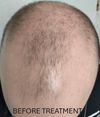
A user's experience with hair loss and their consideration of using finasteride, minoxidil, RU58841, stemoxydine, fluridil, and peptide serum with redensyl as treatment options.
The conversation is about using a 1mm derma roller for hair loss treatment, including cleaning the scalp with isopropyl alcohol and using castor oil mixed with coconut or olive oil afterward. The user seeks advice on the routine and mentions expected gains.
The user is using oral finasteride, topical minoxidil, and tretinoin to treat hair loss. After two months, there is noticeable thickening and maintenance of the hairline.
The user has been using topical minoxidil and oral finasteride for hair regrowth, noticing some improvement and baby hairs at the hairline after four months. Suggestions include continuing the current treatment, considering microneedling, ketoconazole shampoo, vitamins, and possibly RU58841, while avoiding a hair transplant.
The user has been using topical finasteride and minoxidil since February, along with microneedling, and recently noticed increased hair shedding. They are curious if others experienced worsening hair appearance after shedding or if it remained unchanged.
Prostaglandin balance affects hair loss, particularly in conditions like Lichen Planopilaris, where an imbalance can lead to hair follicle damage. Treatments mentioned include prostaglandin analogs and Pioglitazone HCL, with a focus on maintaining prostaglandin equilibrium for potential hair regrowth.
A new topical treatment, PP405, shows promising results for hair regrowth, potentially outperforming existing treatments like finasteride and minoxidil. However, it may still need to be combined with DHT blockers for optimal results, and its long-term effectiveness remains uncertain.
Dutasteride mesotherapy, combined with peptides and exosomes, is being considered for hair loss treatment. One user suggests that oral finasteride or dutasteride mesotherapy may not be necessary if already taking oral dutasteride.
The user is questioning if they have gained hair after one month of microneedling, Minoxidil, and finasteride. A reply suggests their hair looks fine and they should stop worrying.
A 30-year-old male using oral Finasteride, topical Minoxidil, and bi-weekly dermarolling has experienced noticeable hair regrowth, including new hairs at the hairline and temples, with reduced hair shedding. He reports no side effects from Finasteride after initial lethargy and mood changes.
A user shared their experience with a beard-to-scalp hair transplant, noting no visible scars and improved hair density using finasteride and minoxidil. The conversation discusses the differences between beard and scalp hair, potential changes in hair texture, and the use of beard hair for increased scalp coverage.
User has been on 1mg finasteride for 6 months, using minoxidil, derma rolling, rosemary oil, and pumpkin seed oil, seeing new but thin hair growth. Another user advises patience, noting hair loss stabilization and some regrowth.
A user shared their 3-month progress using topical minoxidil and finasteride for hair loss, expressing hope for continued improvement. Others advised patience, suggesting adding micro-needling and waiting at least a year for significant results.
The user shared progress pictures showing hair improvement after using finasteride for 3 months and minoxidil for 5 months, with no side effects and an increase in confidence, especially with an upcoming wedding. They encourage others considering treatment to start.
The user experienced significant hair regrowth using dermarolling, peppermint essential oil, rosemary carrier oil, finasteride, dutasteride, biotin, vitamin E, spirulina, fish oil, and a protein-rich diet. The oral versions of finasteride and dutasteride were noted as more effective.
The user experienced significant hair regrowth after switching to oral minoxidil and dutasteride, having previously used finasteride and topical minoxidil. They reported no side effects from the current regimen of 0.5 mg dutasteride and 5 mg oral minoxidil.
A user shared their positive experience with a hair transplant in Istanbul, specifically for afro hair, and mentioned having no regrets 9 months post-operation. The user also noted that they got braids after doctor approval, sparking mixed reactions about the potential impact on hair health.
The user shared 60-day progress using 5% topical minoxidil, 1mg finasteride, and recently started microneedling with a derma stamp. Users commented on the difficulty of seeing changes due to hair length and even thinning.
Finasteride may affect prostate sensation and size, with some users reporting easier urination. Concerns exist about prostate shrinkage even at lower doses.
A 32-year-old is seeing positive hair regrowth after nearly three months using finasteride, oral and liquid minoxidil, and microneedling, and plans to add RU58841. They are considering switching to dutasteride and possibly a hair transplant in the future.
The user has been using 0.5 mg dutasteride and 2.5 mg oral minoxidil for a year, recently adding microneedling and topical minoxidil, with some improvement but the crown remains the weakest area. Consistency and realistic expectations are advised, as progress is slow and coverage is challenging with fine hair.
A user shared progress pictures after 6 years of using finasteride, showing maintained hair with no regrowth. Suggestions included possibly adding minoxidil and switching to dutasteride for better results.
Microneedling can help with hair loss by inducing collagen if done correctly, but improper technique may cause scarring and worsen the condition. Some users apply dissolved vitamin C before and after microneedling to enhance results.
The conversation discusses the potential long-term effects of stopping finasteride after extended use, with differing opinions on the existence and prevalence of post-finasteride syndrome (PFS). Some users report persistent side effects, while others argue that such effects are rare or unrelated to the medication.
User shared a 5-month progress update on using topical minoxidil 6% and finasteride 0.05% once daily, with microneedling and vitamins. They experienced initial shedding but no side effects, and increased the treatment to twice daily after month 4.
A 49-year-old male switched from Finasteride to Dutasteride 2.5 mg daily, along with oral Minoxidil 5 mg, resulting in significant hair regrowth and stopping hair loss after six months. Despite initial side effects like adrenaline spikes and urinary issues, the user is satisfied with the results and plans to continue the treatment.
Dutasteride mesotherapy in women with metabolic syndrome accelerated hair loss after initial regrowth, while women without metabolic syndrome saw continuous regrowth. The user with mild insulin resistance is hesitant to try topical dutasteride and seeks experiences from others with insulin resistance.
A user noticed watery semen and decreased volume after a week of using finasteride and asked if taking Zinc, pygeum, and lecithin supplements would affect finasteride's effectiveness. The conversation is about the side effects of finasteride and potential supplements to counteract them.
The user shared progress pictures after three months of using RU58841, finasteride, and OM (oxidative stress modulators) for hair loss treatment. They haven't noticed much change but are seeking feedback on their results.