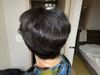
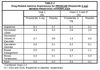
Dutasteride is often preferred over Finasteride due to fewer side effects and better hair regrowth. Initial side effects like lowered libido may occur but typically diminish over time.
Switching from liquid to foam minoxidil led to hair loss for OP, possibly due to a second shedding cycle. OP experienced allergic reactions to propylene glycol in the liquid form, causing dandruff and itchiness, which improved after switching to foam.
The user switched from finasteride to dutasteride due to side effects and is experiencing fewer side effects with dutasteride, though some scalp itching has occurred. Blood tests show elevated testosterone and estrogen, low DHT, and normal liver and cholesterol levels, leading the user to feel confident in the long-term benefits of dutasteride for hair regrowth.
Female with PCOS experiences receding and thinning hair, wants dutasteride instead of spironolactone. Discusses desire to reduce DHT without losing libido.
Low doses of dutasteride are as effective as higher doses for hair regrowth, with fewer side effects. Users find success taking it 2-3 times a week instead of daily.
How diffuse unpatterned alopecia (DUPA) is not an invitation to self-diagnose oneself with aggressive AGA and that seeking a specialized dermatologist may help people experiencing hair loss. Treatment options discussed include topical clobetasol propionate, oral minoxidil, and discontinuing finasteride.
The user's experience with hair loss, their doctor explaining that they were likely hyper aware of thin spots due to anxiety and an underlying whorl in one area, and providing encouragement for those feeling discouraged. Treatments mentioned include minoxidil and spironolactone.
Some users experience worsening hair loss with dutasteride and improvement after switching back to finasteride, while others find better results with dutasteride. The effectiveness of treatments like finasteride, dutasteride, minoxidil, and RU58841 varies, requiring individuals to try different combinations or dosages to find what works best.
A 30-year-old with diffuse thinning and a balding crown is using a treatment regimen of a 2-in-1 pill containing finasteride, minoxidil, and biotin, along with various supplements. After two weeks, no side effects have been experienced, and updates with pictures will be posted monthly.
The user is experiencing hair loss despite using finasteride and Rogaine, with conflicting diagnoses from different hospitals. One suggests no hair loss, while another recommends continuing medication; a suggestion to see a dermatologist for proper assessment is given.
Finasteride users report reduced libido and increased hair shedding initially, but some see these as temporary or manageable side effects. Vitamin E and D-3 supplements are discussed as potential aids for libido and mood.
A user shared their experience of hair loss progression after one year on dutasteride, expressing disappointment with no improvement and considering other treatments like RU58841. Other users offered mixed responses, some seeing no change, others suggesting the hair loss might have been worse without treatment, and discussing the role of testosterone and DHT in hair loss.
User discusses tight scalp causing hair loss and suggests treatments like scalp massages, PRP, saw palmetto, and eucapil. They share their experience with saw palmetto and eucapil and consider adding PRP and scalp massages for better results.
The user is frustrated with minimal hair regrowth after using dutasteride, oral minoxidil, and previously finasteride and topical minoxidil. Despite feeling discouraged, others suggest continuing treatment as progress can be slow and subtle, with some users noting visible improvement.
Switching from finasteride to dutasteride can reduce scalp DHT levels more effectively. The discussion includes using minoxidil, finasteride, and RU58841 for hair loss treatment.
A user shared their experience using dutasteride for hair loss, noting subtle improvements and thicker hair without significant regrowth. They did not use finasteride or minoxidil, and experienced occasional shedding but no side effects.
Low testosterone and estradiol may contribute to hair loss, and blocking DHT without sufficient hormone levels might hinder regrowth. The discussion highlights the importance of hormone balance, with some considering supplements and lifestyle changes to support hair health.
Topical dutasteride is suggested as a low side-effect treatment for hair loss, with a proposed dose of 0.025% 1ml/day. It is considered better than finasteride due to its even inhibition of DHT isoforms and lower systemic absorption.
The conversation discusses the effects of lowering DHT on hair loss and the importance of monitoring DHT levels during treatment. The user suggests that individual responses to DHT and hair loss treatments vary, and expresses a preference for topical treatments over oral medications due to concerns about systemic DHT reduction.
Woman uses antiandrogens for hair thinning prevention, experiences severe dry eye with finasteride. Asks if dutasteride could be better despite potential for worse dry eye.
P5P supplementation helped reverse finasteride side effects, particularly by lowering prolactin levels and restoring sensitivity. The user experienced significant improvement within a day and full recovery in a few days.
People discussed switching from finasteride to dutasteride for hair loss treatment. They reported satisfaction with dutasteride, noting it was more effective than finasteride, particularly after finasteride's effects diminished, and some experienced additional benefits like cost savings and stabilized hair loss, rating dutasteride highly as a treatment.
A 25-year-old male using Dutasteride, oral Minoxidil, and Ketoconazole shampoo is experiencing increased hair shedding and vellus hair growth along the hairline. Concerns are raised about whether this is a seasonal shed or a potential setback.
The conversation discusses hair loss treatments, including finasteride, microneedling, minoxidil, and PTD-DBM. The user has not noticed significant regrowth and is considering cost-effective options like valproic acid.
A 22-year-old male experiencing hair thinning and loss, possibly due to seborrheic dermatitis or low vitamin D, is cautious about using minoxidil or finasteride due to heart palpitations and high blood pressure. Suggestions include using ketoconazole shampoo to control inflammation and focusing on treating the dermatitis first.
The conversation discusses the effectiveness and side effects of DUT mesotherapy for hair loss. Users are seeking evidence and pictures of successful treatments.
Scalp irritation from homemade topical finasteride may be caused by isopropyl alcohol. Alternatives suggested include using ethanol or everclear with distilled water.
The user is using oral finasteride and minoxidil for hair loss but reduced the dosage due to side effects like lightheadedness and weakness. They are also taking vitamins and natural DHT blockers.