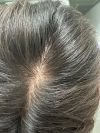
Creatine use with finasteride increased DHT levels, possibly affecting hair loss. The user plans to reduce creatine to stabilize DHT and hair shedding.
User experienced hair density decrease after 1 year of finasteride. Others shared similar experiences, suggesting it could be a temporary shed and discussed various treatments like dutasteride, minoxidil, dermaroller, and ketoconazole.
Creatine is believed by some users to cause hair shedding, though a study found no increase in DHT or testosterone levels. Many users shared personal experiences of hair loss after using creatine, while others noted no change, suggesting individual variability.
A user lost 60% hair density in 4 months, started finasteride and microneedling, and has greasy, flaky, yellowish scalp. They are awaiting biopsy results, and another user suggested trying ketoconazole shampoo.
A user applied minoxidil for hair loss and worried about its toxicity to cats after their cat drank from a water fountain they touched. After consulting a vet and pet poison control, they were reassured that the exposure was not enough to harm the cat, and others advised using gloves and being cautious in the future.
The conversation discusses using Spironolactone for hairline regrowth while continuing with dutasteride and oral Minoxidil. Concerns are raised about losing regrown hair after stopping Spironolactone.
Creatine may cause hair shedding in some individuals, but there is no strong scientific evidence linking it to hair loss. Many users report personal experiences of increased hair loss with creatine, while others see no effect; OP is considering creatine while using finasteride and topical minoxidil for hair loss.
KX-826 is undergoing trials for hair loss treatment, showing similar effectiveness between 0.5% and 1.0% dosages, with mild side effects compared to finasteride. Users discuss combining KX-826 with other treatments like minoxidil and clascoterone for better results.
Ketoconazole shampoo can dry out hair, causing it to become frizzy and less manageable. Users suggest using conditioner, trying different shampoos, or reducing the frequency of ketoconazole use to mitigate these effects.
A user shared a DIY recipe for a NutraKos-style amino acid mix as a cost-effective alternative to the expensive product, suggesting it as a complementary supplement for hair loss. Another user argued that proven treatments like finasteride and minoxidil are more reliable, questioning the efficacy of the amino acid mix.
An 18-year-old male using minoxidil and finasteride is experiencing increased hair loss, possibly due to a shedding phase from finasteride. He also takes zinc, magnesium, calcium, and vitamin C, and is concerned about hair loss from his temples.
Minoxidil's effectiveness can be impacted by scalp health, with dryness and inflammation leading to hair loss. Using a scalp conditioner with tea tree and Nizoral twice a week improved scalp condition and hair strength.
Stopping oral minoxidil after five days due to heart issues likely won't cause noticeable shedding or permanent hair loss. The user is concerned and seeks reassurance.
Exploring potential treatments for hair loss, such as Minoxidil, Finasteride, RU58841 and Pyrilutamide. The user is looking for feedback on whether KX-826 can be used successfully as a single therapy to stop the miniaturization process.
The study on creatine monohydrate's effect on hair loss was withdrawn due to lack of support. Users discussed concerns about creatine potentially accelerating hair loss, especially for those using finasteride.
The user has been experiencing diffuse hair thinning despite using finasteride, minoxidil, dermarolling, clobetasol cream, and PRP sessions. They seek advice on additional treatments and are advised to check vitamin D, iron, and thyroid levels.
27-year-old female experiences aggressive hair thinning and hirsutism despite normal testosterone levels. Spironolactone and 2% minoxidil were ineffective; high DHEA sulfate levels may be the cause.
Minoxidil can cause heart palpitations, and users experiencing this should consider reducing the dosage or switching to alternatives like rosemary oil. It's advised to consult a doctor if side effects occur.
The conversation discusses the effects of finasteride on libido, with the original poster experiencing a significant decrease in sexual desire after starting the medication. Other users share similar experiences and suggest potential remedies, including Vitamin E supplementation and lifestyle changes like avoiding pornography.
A 20-year-old female is considering whether to continue using minoxidil for hair loss after recovering from an eating disorder and iron deficiency. She is concerned about hair shedding and is advised to focus on nutrition and iron intake, with the option to taper off minoxidil gradually if she chooses to stop.
The user is using ketoconazole shampoo, organic vinegar, iced aloe vera gel, and sulfur soap to address hair loss, avoiding minoxidil and finasteride unless necessary. Some users see improvement, while others suggest adding finasteride for better results.
27F with androgenic alopecia since 17 seeks treatment. Tried spironolactone, caused low blood pressure; believes finasteride is safer and wants to try it.
Topical sodium valproate may promote hair growth by inhibiting GSK3β, allowing beta-catenin to proliferate, but it has potential side effects and requires more research. The conversation also mentions skepticism about a product called Vdphlo1, which includes sodium valproate and other ingredients.
The user stopped using minoxidil due to headaches, which returned upon resuming the treatment, leading to hair shedding concerns. Alternatives like finasteride and diluted minoxidil were suggested by others experiencing similar side effects.
The conversation is about a person's hair loss treatment routine, which includes Metformin, sleep in darkness, avoiding EMF at night, Nizoral, Dermarolling, Castor oil, and Collagen. They have observed less hair shedding and increased hair volume.
A user is seeking a Ketoconazole shampoo in Spain to complement their hair loss treatment, which includes Minoxidil, Finasteride, and Biotin. They previously used Alpecin and are now looking for recommendations on Amazon.
Zinc pyrithione and ketoconazole shampoos may help reduce hair loss by removing DHT from the scalp. Users discuss various treatments, including minoxidil, finasteride, and non-pharmaceutical options like castor oil and dermarolling.
The conversation is about using ketoconazole shampoo for hair loss, specifically discussing concerns about benzyl alcohol in popular brands and seeking experiences with the "tiniazol" brand. The user is considering adding this shampoo to their routine.
KX-826 may cause increased hair loss for some users, leading to concerns about its effects. One user reported no issues but also no hair regrowth, only maintenance.