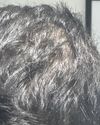
A 20-year-old is experiencing hair thinning and seeks advice on starting treatment and regrowing hair. They are considering using Minoxidil, finasteride, or RU58841.
Oral minoxidil may require potassium for effectiveness, and diuretics taken for water retention might affect this process. The user plans to start taking potassium to address potential issues with minoxidil's effectiveness.
Minoxidil works by opening potassium channels, leading to reduced blood pressure and potential side effects like reflex tachycardia. It is used for hair growth and affects blood pressure at high doses.
This post and conversation are about the effects of Minoxidil on renal electrolytes transport in the Loop of Henle. The replies show a lack of interest and a brief summary stating that rectal Minoxidil electrolytes are bad.
The post discusses using Carnitine Tartrate, Potassium Chloride, and Niacin to reduce hair shedding, with the user experiencing significant improvement. The user also suggests considering a ketogenic/paleo diet for those with insulin resistance-related hair loss.
Topical diazoxide may be a promising hair regrowth treatment, especially for those who don't respond to minoxidil, as it activates potassium channels without needing sulfation. It appears safe for topical use, avoiding systemic effects seen in oral use.
Creatine may counteract minoxidil's hair growth effects by closing potassium ATP channels, potentially leading to hair loss in predisposed individuals. Despite anecdotal reports, there is no conclusive evidence linking creatine to hair loss.
Dr. Muñoz's discovery suggests that targeting potassium channels in fibroblasts could reactivate hair growth, offering new treatment possibilities for alopecia. Potential strategies include using minoxidil, diazoxide, and other potassium channel openers, as well as bioelectric devices and direct growth factor applications.
Using licorice to counteract the blood pressure-lowering effects of oral minoxidil. Concerns about licorice affecting potassium levels and minoxidil's effectiveness were raised.
A user experienced severe side effects from using topical minoxidil sublingually, including muscle cramps, dizziness, and high potassium levels. They were advised to stop and seek medical help, emphasizing that topical minoxidil is not safe for ingestion due to its alcohol content.
Minoxidil users discuss skin-care routines to counteract side effects like dark circles and dull skin. Recommendations include vitamin C, potassium, collagen, retinol, nizoral shampoo, and emu oil.
The conversation discusses potential hair loss treatments focusing on stimulating IGF-1 at the follicle level using growth-factor cocktails and engineered peptides, such as Acetyl Tetrapeptide-3, Copper Tripeptide-1, Oligopeptide-20, Thymosin-β4, and Palmitoyl Tetrapeptide-7. It suggests that device-assisted delivery methods like microneedling may enhance effectiveness.
Exploring hair loss treatments beyond DHT, including Minoxidil, pyruvate, Gt20029 targeting androgen receptors, and vasodilators. Other options like Kx826, adenosine signaling, growth factor topicals, and microneedling are also discussed.
Liver problems may reduce the effectiveness of oral minoxidil due to impaired SULT1A1 enzyme activity, which is crucial for converting minoxidil to its active form. This reduction in enzyme function can significantly decrease the drug's effectiveness in promoting hair growth.
P-1075 is a more potent hair growth agent than Minoxidil, but it poses significant heart risks, making it unsafe for use. Despite promising results in macaques, concerns about its cardiotoxicity in rats have halted its development.
The conversation discusses experimenting with microneedling for hair loss, with OP considering using a 3mm derma-stamp. Other users advise against going beyond 1.5mm to avoid damage.
Minoxidil may age skin by slowing collagen synthesis, but using collagen peptides and a basic skincare routine might counteract this. Foam minoxidil could reduce systemic absorption and avoid alcohol-related side effects.
The user reports taking high dosage oral minoxidil (10mg/day) for hair growth, which causes facial bloating. They tried using the diuretic furosemide to reduce bloating, but it was ineffective.
A user is considering starting spironolactone for hair loss without consulting a dermatologist, as previous dermatologists only recommended biotin, vitamins, or PRP. The user notes that spironolactone is affordable in their country.
Fluridil, also known as Topilutamide or Eucapil, is discussed as a treatment for hair loss. It is noted as an androgen receptor antagonist, not a vasodilator.
The user believes Retrograde Alopecia may be linked to vitamin imbalances, specifically from taking too much Vitamin E, A, Zinc, and Selenium, and suggests it could be a middle ground between Androgenic Alopecia and Telogen Effluvium. Treatments for hair loss mentioned include Androgen inhibitors and improving lifestyle factors like nutrition and sleep, with topical melatonin also recommended for Retrograde Alopecia.
The conversation discusses making DIY topical finasteride using a hair tonic with various ingredients and suggests alternatives like Jatamansi powder, Sandalore, and products like Bare Anatomy Expert Advanced Hair Growth Serum and RevivHair Max Hair Stimulating Serum. It also mentions using topical dutasteride and minoxidil for hair growth.
Minoxidil can cause dark, puffy undereyes. Users suggest using caffeine serum, retinol moisturizer, and Remescar eye bags cream to counteract this effect.
The conversation discusses whether to take oral minoxidil in a split dose or a single dose at night. Users suggest that taking a single 10mg dose at night is simpler, while splitting may help minimize side effects.
A user is seeking help to purchase and ship Alpecin DMG to the United States due to issues with eBay sellers. They prefer Alpecin DMG over minoxidil because of concerns about minoxidil's effects on insulin production, as they have diabetes.
KX-826 Max combines KX-826, Kopyrrol, and Kopexil as a potential alternative to minoxidil and finasteride for hair loss, but users express skepticism about its effectiveness and high cost. Some users believe traditional treatments like minoxidil, finasteride, and others are more reliable.
PP405 shows significantly better early-stage hair regrowth results compared to minoxidil and finasteride, with 31% of users experiencing over 20% density increase in 4–8 weeks. Minoxidil and finasteride show minimal or no visible regrowth in the same timeframe.
The conversation is about adding Swisse Hair Nutrition for Men, which contains saw palmetto and various vitamins, to a Minoxidil and finasteride regimen to potentially enhance hair growth. The user is seeking feedback on the effectiveness of stacking these supplements with their current treatment.
People are frustrated with hair loss treatments like finasteride, minoxidil, and dutasteride, with mixed results and side effects. Some users suggest trying different combinations or doses, while others express disappointment and hope for a cure.