Creatine monohydrate's potential link to hair loss, with mixed opinions on its effects. Treatments like minoxidil, finasteride, and RU58841 are discussed.
Peppermint oil may increase hair thickness more effectively than minoxidil, but its effects are mostly studied in animals. Users report mixed results, with some seeing no regrowth and others noting slight improvements when combined with other treatments.
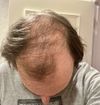
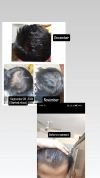
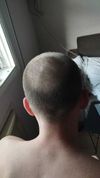
The user is attempting to regrow hair using natural methods like microneedling, rosemary oil, and capsaicin tincture, avoiding medications like finasteride and minoxidil due to past health issues. Feedback suggests these methods are ineffective, with many recommending shaving or considering a hair system instead.
A new alcohol-free, propylene glycol-free topical finasteride foam is available for prescription in Canada and the USA, offering a cleaner alternative for hair loss treatment. The product also offers a combination of 0.1% finasteride with 5% minoxidil and aims to be affordable and less irritating for sensitive scalps.
Stopping finasteride and minoxidil can cause significant hair shedding, so they should be continued indefinitely. Concerns about finasteride affecting fertility or causing birth defects are mostly unfounded, but some stop for personal reasons.
The user is experiencing significant hair loss and is considering treatments like minoxidil, finasteride, and possibly a hair transplant. They are advised to consult a dermatologist and consider oral minoxidil and dutasteride, while being aware of potential side effects and the need for ongoing treatment.
The conversation discusses concerns about potential hairline miniaturization and whether to start finasteride as a preventive measure. Recommendations include consulting a specialist and considering treatments like finasteride, dutasteride, minoxidil, and ketoconazole.
A 21-year-old male is experiencing a receding hairline and has tried tea tree oil and hair growth shampoo without success. He is considering products from companies like Hims, Happy Head, and Dermose for treatment.
A user shared progress pictures showing significant hair regrowth after 3.5 months of using 5% minoxidil twice a day. Some users expressed skepticism, suggesting a possible hair transplant, while others shared similar positive experiences with minoxidil, sometimes combined with biotin or other treatments.
The user experienced significant hair regrowth and reduced shedding after two years of using finasteride, minoxidil, and a laser helmet, along with maintaining scalp health with specific shampoos. Consistency and patience were key to their success, despite initial heavy shedding.
A 19-year-old experienced significant hair loss, improved with minoxidil, and is considering adding finasteride to his routine. He is concerned about future hair loss and potential side effects of finasteride.
Transplanting mice skin to humans is not feasible due to immune rejection, but some suggest genetic modification or immune suppression could make it possible. Xenograft hair transplants are discouraged.
A 24-year-old male experienced side effects like low libido and ED after starting finasteride post-hair transplant and is seeking alternatives to reduce scalp DHT. Suggestions include topical finasteride, Xpecia, DHT-reducing shampoos, and switching to dutasteride, with some users reporting fewer side effects with these alternatives.
Some individuals experience side effects from 5AR inhibitors like finasteride and are considering hair transplants without these medications, with some opting for surgeons like Dr. Zarev. Others are exploring alternative treatments and waiting for new medications in development, while some discuss managing side effects through lifestyle changes or additional medications.
The user experienced significant hair regrowth over 10 months by using 1.5mg oral finasteride and minoxidil daily, along with weekly derma stamping, after a previous hair transplant and initial thinning. The conversation highlights the importance of using DHT blockers post-transplant to maintain results.
The user experienced side effects from finasteride and Nutrafol, opting for non-hormonal treatments like minoxidil, exercise, and a healthy lifestyle. Others discussed using Dutasteride, Biotin, and minoxidil with varying success and side effects.
A 21-year-old male has been experiencing persistent hair loss despite using treatments like dutasteride, finasteride, RU58841, minoxidil, and ketoconazole. Suggestions include checking for hormonal issues, nutritional deficiencies, or allergies, and consulting a doctor for professional advice.
A 31-year-old man shares his 4-month hair regrowth progress using topical minoxidil, topical finasteride, microneedling, biotin, and other supplements. He reports new hair growth despite experiencing side effects from finasteride and plans to continue his regimen for further improvement.
The user has been using topical Minoxidil since April 2025 and Finasteride since September 2025, but their bald spot has worsened. They are considering switching to oral Minoxidil and have been advised to be patient, see a dermatologist, and possibly try additional treatments like derma rolling.
Switching from finasteride to dutasteride led to significant hair regrowth and thickening for the user, who also uses ketoconazole shampoo. The user experienced increased libido and encourages others not to be discouraged by negative opinions about dutasteride.
The conversation discusses hair regrowth treatments, specifically using a combination of oral and topical minoxidil, oral and topical dutasteride, and PRP. There is skepticism about the authenticity of the results, with some users questioning the changes in hair and skin appearance.
The user is using finasteride 1.25mg three times a week for hair regrowth and reports no significant side effects except watery semen initially. They also use a local caffeine shampoo and are considering haircuts to improve appearance.
A 30-year-old shared their successful hair restoration journey using a combination of liposomal topical finasteride and minoxidil, vitamins, and a second hair transplant in Greece, resulting in life-changing improvements without side effects. The user emphasized the importance of proper research for hair transplant clinics and expressed gratitude for finding an effective treatment protocol.
The user regained hair and reduced forehead size using a routine of 1mg finasteride, 5mg minoxidil, topical minoxidil twice daily, tretinoin before minoxidil, derma stamping weekly, red light therapy daily, and ketoconazole shampoo thrice weekly. They experienced initial side effects with finasteride but adjusted the dosage over time.
The individual is considering starting hair loss treatment with dutasteride, prescribed by a dermatologist, due to concerns about finasteride side effects. They are also interested in the potential benefits of reducing DHT and are contemplating whether to maintain a shaved head or pursue treatment.
The user has been using oral Minoxidil, Finasteride, and dermarolling for two months to address hair loss and is considering continuing the treatment until December before possibly switching to Dutasteride. They are hesitant about getting a hair transplant and are exploring other options like SMP, while receiving encouragement and advice from others to continue the current regimen for a longer period to see more results.
Hair loss is less common now due to accessible treatments like finasteride, minoxidil, and hair transplants. Improved hair care, skincare, and lifestyle changes contribute to people looking younger today.
The user experienced significant hair loss after starting dutasteride, despite improved libido and gym performance. They previously used finasteride but stopped due to side effects and are considering combining treatments or a hair transplant.
The user added topical minoxidil to their finasteride regimen, resulting in healthier hair and some regrowth, especially after quitting nicotine. They experienced minimal shedding and noted improvements in hairline density, finding the treatment mostly preventative.
A 21-year-old male is concerned about hair loss, particularly his hairline, and is considering using minoxidil and finasteride but is unsure about the safety of finasteride. He is seeking opinions on these treatments to maintain his hair through his 20s.