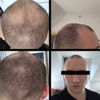
The post and conversation discuss Verteporfin's potential as a hair loss treatment. It's shown promise in regrowing hair after transplants and might be effective with microneedling.
A 19-year-old noticed hair thinning and mild receding hairline, opting for a treatment regime excluding finasteride and minoxidil. The regime includes derma rolling, rosemary and coconut oil, a massage comb, a DHT-blocker shampoo, and vitamins B12 and Biotin.
The user is using RU58841, Revivogen, Regenepure ketoconazole shampoo, and plans to use a stimufield cap to address hair loss. They aim to avoid finasteride and minoxidil while hoping to stop hair loss and regrow hair.
GT20026 is discussed as a potential treatment for hair loss that targets androgen receptors without affecting hormone levels, but it may not promote significant regrowth. It is expected to be available by 2028, with other treatments like Breezula and Clascoterone also mentioned.
The conversation discusses concerns about potential hairline miniaturization and whether to start finasteride as a preventive measure. Recommendations include consulting a specialist and considering treatments like finasteride, dutasteride, minoxidil, and ketoconazole.
The conversation discusses various hair loss treatments, including pyrilutamide, RU58841, topical dutasteride, oral minoxidil, and oral finasteride/dutasteride. It also mentions potential treatments like PP405, Verteporfin, GT20029, and AMP303.
People are discussing hair loss treatments, including minoxidil, finasteride, and RU58841, to turn vellus hairs into terminal hairs. Some users also mention using antibiotics, oral minoxidil, dutasteride, DHT blockers, biotin, and natural remedies like onion juice and seeds to improve hair growth.
The user is using oral finasteride, minoxidil, and KX-826 for hair regrowth, noticing small improvements. They plan to add ketoconazole shampoo and consider a hair transplant with verteporfin after a year of treatment.
A 25-year-old shares progress on hair regrowth using finasteride, ketoconazole shampoo, Alpecin caffeine shampoo, and topical minoxidil, noting improved hair health but persistent temple thinning. They consider switching to oral minoxidil, adding microneedling, and possibly a hair transplant after one year.
The user experienced significant hair loss due to health issues and is now using finasteride and minoxidil for nearly 3 months. They are hopeful about tiny hairs/dots indicating regrowth and are considering a hair transplant later in the year.
A user is participating in a phase 3 trial for Clascoterone, a topical acne medication that may stimulate hair growth, and will share results after 6 months. They will have a section of their hair shaved and marked with a tattoo for the study.
A 51-year-old on TRT plans to use steroids and is concerned about hair loss, considering topical treatments like Hair Rescue with RU58841 and finasteride, along with Nioxin shampoo. They are cautious about using oral DHT blockers due to potential interactions with steroids like Tren and Anavar.
The conversation is about hair regrowth using topical finasteride, minoxidil, and keto spray, along with oral Saw Palmetto, Lustriva complex, collagen, and microneedling. Users discuss their experiences with these treatments, noting improvements in hair density and color, with some experiencing mild side effects.
CB-03-01 is a topical anti-androgen with low absorption, offering potential as a side-effect-free alternative to Finasteride/Dutasteride for hair loss. It's in stage 2 clinical trials for acne and showing promise for male pattern baldness.
New hair loss treatments like stem cells, hair cloning, and gt20029 are unlikely to be available in the next 5-10 years, with some trials possibly starting by 2026. Current treatments like Minoxidil and Finasteride have been used for decades, and new developments depend on funding and successful trials.
Exploring the idea of using facial hair properties for scalp regeneration in male pattern baldness, considering the potential of transferring androgen-resistant characteristics from facial hair to the scalp. Challenges include complexity, scalability, aesthetics, and safety, but the concept encourages innovative thinking beyond current treatments like Minoxidil, Finasteride, and hair transplants.
A man in his twenties experiencing hereditary hair loss has been using 5% Minoxidil, a derma roller, Vitamin D3, and recently started Finasteride. He has noticed baby hairs appearing, indicating some regrowth, and is advised to continue the treatment consistently for several months to potentially see significant results.
A 19-year-old male experienced significant hair loss, initially thought to be male pattern baldness (MPB), and used minoxidil and briefly finasteride. After realizing the issue was telogen effluvium (TE), he improved his diet and supplemented with vitamins, which led to substantial hair regrowth.
The post discusses a hair loss treatment regimen including oral finasteride, topical minoxidil, a rejuvenating scalp serum with caffeine, rosemary, and ginger, topical ketoconazole, saw palmetto, and derma rolling. The user seeks advice for scalp pimples and irritation.
A 22-year-old is experiencing a receding hairline and has started using minoxidil and finasteride. They are considering using Jamaican black castor oil and are seeking advice on application and dosage, while also exploring microneedling and scalp massaging for hair regrowth.
Hair follicles often go dormant rather than die, and treatments like minoxidil can help revive them. Scalp health and stimulation, such as massages and using products like sulphur soap, are also important for hair regrowth.
The user is concerned about hair loss and is considering treatments like finasteride and minoxidil but is unsure about their effectiveness and side effects. They have experienced mixed reactions to shaving their head and are struggling with confidence due to balding.
Stemson Therapeutics announced a breakthrough in hair growth technology using stem cells. Users discussed the potential high cost and skepticism about the treatment's accessibility.
Finasteride and minoxidil, often with ketoconazole, are key for long-term hair stabilization and regrowth. Oral minoxidil and dutasteride offer significant regrowth but have more side effects, while microneedling, ketoconazole shampoo, and RU58841 are used to enhance results.
A 17-year-old is experiencing hair shedding and is concerned about a receding hairline, using hair products like powder and sea salt spray. Advice given includes maintaining good nutrition, ensuring hair products don't build up, and considering further resources if worried.
Hair loss has slowed, but uneven growth and kinking persist despite using keto/nizoral shampoo and clotrimazole. Stress and anxiety might be contributing factors.
The conversation is about seeking updates on new hair loss treatments, specifically mentioning scube3 and GT20029, with one person mentioning HMI_115 as showing promising results.
The post and conversation are about a user's successful regrowth of hair using topical minoxidil and rosemary shampoo. Other users discuss the potential limitations of minoxidil and recommend using finasteride to maintain hair growth.
Maintaining good hair density is more important than preventing a receding hairline, as it can enhance a mature look. Treatments discussed include finasteride, minoxidil, dutasteride, and RU58841.
A 17-year-old in the UK seeks advice on mitigating hair loss until finasteride becomes an option at 19. Recommendations include using Minoxidil and considering other treatments like specific shampoos and dietary changes.