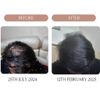
Hair regrowth after 13 weeks using topical minoxidil, oral finasteride, peptide shampoo, serum, and a red light hat. Some growth is attributed to a recent hair transplant.
A user is considering using topical finasteride, topical minoxidil, RU58841, and dermarolling twice a week to address hair loss after experiencing side effects with oral finasteride. They previously saw positive results with a topical spray containing finasteride, minoxidil, and tretinoin but discontinued use due to laziness.
User reports 3-month progress using Fin 0.5mg/day, 1x minox 5%, keto shampoo every 3 days, and microneedling 1.5mm a week. Others suggest shaving sides or trying shaved head look, while some discuss side effects and dosages.
The conversation discusses using cetirizine (Zyrtec) topically to relieve scalp itch associated with hair loss and suggests it may also benefit androgenetic alopecia (AGA). One person found relief from scalp itch after three months on finasteride, noting the itch was linked to areas where hair was lost.
Elevated PGD2 levels in bald scalp tissue may contribute to hair loss, and treatments like castor oil, finasteride, and minoxidil are discussed as potential solutions. Some users explore alternatives like oral castor oil and cetirizine for those who cannot use finasteride.
A dermatologist prescribed a topical hair loss treatment containing finasteride, biotin, melatonin, and caffeine without alcohol. The user is skeptical about its effectiveness.
A user seeks a lotion for an inflamed, itchy scalp caused by DHT, asking for options that promote blood flow and contain hair vitamins like caffeine and biotin. Another user suggests using a mix of mustard oil and coconut oil.
The user underwent a second hair transplant for the crown and mid-scalp, achieving good density. They are using minoxidil, finasteride, and biotin, and considering PRP treatments to enhance growth.
The user is experimenting with a zinc sulfate and B6 topical solution called "Zix" for hair loss, alongside using a zinc oxide scalp mask and low-level laser therapy (LLLT). They report minimal hair loss after three months of use and are seeking feedback from others who have tried similar treatments.
The user started using finasteride and minoxidil and noticed fine, spikey hairs on their scalp after oiling with coconut and blackseed oil. Responses suggest these fine hairs could indicate hair regrowth, but more time is needed to see results.
User is using topical Minoxidil (100 mg/day) and Finasteride (1 mg/day) but experiencing hair growth everywhere except the top of the scalp. They seek advice on improving scalp hair regrowth.
The conversation discusses a hair loss prevention regimen using a custom topical treatment with Dutasteride, Minoxidil, Latanoprost, Cetirizine, Tretinoin, Vitamin D3, and caffeine, along with supplements like iron, selenium, vitamin D, and vitamin B. The user advises against expensive treatments like LLLT caps and unnecessary natural supplements.
A 20-year-old male experiencing hair loss is using finasteride for 8 months and is considering a digital perm but is concerned about potential hair damage, especially at the thinning hairline. Advice given includes continuing finasteride, using gentle hair products, and possibly trying topical minoxidil or CBD cream for scalp care.
The conversation discusses the effects of lowering DHT on hair loss and the importance of monitoring DHT levels during treatment. The user suggests that individual responses to DHT and hair loss treatments vary, and expresses a preference for topical treatments over oral medications due to concerns about systemic DHT reduction.
The conversation is about using try-Spartan shampoo for hair regrowth on the crown without using minoxidil or finasteride. The user seeks advice on non-drug topical treatments.
User "hemantch" shares 5 months progress using topical Fin, Min, topical Dut, and a laser cap for hair loss. Significant regrowth was noticed after 1 month, and the treatments worked well despite being bald for 10 years.
A user discussed the "Rootique Duo," a device that turns minoxidil into mist for scalp application, but others suggested cheaper alternatives like an AliExpress applicator. Some users prefer traditional methods like droppers or spray nozzles, especially for longer hair.
Minoxidil is typically applied once daily, with some users opting for foam to minimize irritation. Users often combine it with finasteride or use oral minoxidil for improved results, while managing scalp irritation with ketoconazole or salicylic acid shampoos.
The user regrew their hairline using mechanical stimulation, including a 1.5mm derma roller weekly, daily scalp massages, and other treatments like Nizoral, zinc pyrithione, fish oil, and Lipogaine The Big 5. They did not use Minoxidil or finasteride.
A new hair loss treatment claims a 539% improvement over placebo, but skepticism remains due to lack of substantial evidence and reliance on percentage figures. Users discuss the effectiveness of existing treatments like Minoxidil and Finasteride, expressing doubt about the new solution's impact.
The user is using 1mg oral finasteride, 1.25mg oral minoxidil nightly, and ketoconazole shampoo weekly for hair loss, reporting no side effects. They self-prescribed after inconsistent use of topical minoxidil, using Lonitab from Intas pharmaceutical.
Quitting RU58841 after over two years reduced scalp itching and inflammation, despite concerns about losing hair gains. The user continues using finasteride and oral minoxidil.
The user is using minoxidil, finasteride, and recently added tretinoin to address hair loss, specifically around a receding hairline. They are seeking advice on application methods and mention experiencing mild skin rashes potentially from tretinoin.
The conversation discusses sourcing topical dutasteride for hair loss treatment, with mentions of Dr. Mwamba's products and Farmacia Prati as potential suppliers. Additional treatments like topical tocotrienols and botox are suggested as extensions to the regimen.
The conversation is about using microneedling with minoxidil and finasteride for hair loss treatment. Users discuss the frequency and needle depth for microneedling, and the timing of minoxidil application, with varying opinions on the best practices.
The user is considering using Tacrolimus Solution and topical Dutasteride to avoid shedding caused by Minoxidil, which they fear may lead to facial side effects. They are also concerned about scalp sensitivity and are exploring different treatment bases to manage seborrheic dermatitis.
A user's progress in hair regrowth after taking finasteride (1mg) every other day, and the replies to the post offering support, advice, and encouragement.
Topical pirfenidone is highlighted as an effective anti-inflammatory and anti-fibrotic treatment for hair loss, particularly in addressing perifollicular fibrosis, which may enhance the effectiveness of standard treatments like finasteride and minoxidil. The user also uses calcipotriol, MCT oil, ciclopirox shampoo, and benzoyl peroxide shampoo as part of their regimen.
The user has been using a topical solution of minoxidil 5% and finasteride 0.025% daily, along with dermastamping every two weeks and ketoconazole shampoo twice a week for four months. The treatment is for hair loss.