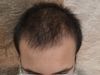
Some embrace baldness, while others promote treatments like minoxidil and finasteride. Opinions differ on accepting baldness versus pursuing hair regrowth.
A user regrets not starting finasteride earlier for hair loss, noticing significant crown thinning by age 30. They have started using finasteride and are considering minoxidil for better hair regrowth.
The user experienced significant hair regrowth using a daily oral combination of minoxidil (3mg) and finasteride (1.1mg) without side effects. Others shared their experiences with similar treatments, noting varying results and side effects.
The user experienced hair thinning with dandruff and itchiness but not complete baldness, and found relief using dermarolling and castor oil. They did not use minoxidil or finasteride and discussed the potential impact of lifestyle choices on hair loss.
Finasteride is recommended for hair loss starting at age 17, with some users suggesting starting even earlier. Minoxidil is also suggested as an option, while lifestyle changes like diet and exercise are noted as beneficial for health but not effective for slowing genetic hair loss.
A 20-year-old with no signs of hair loss is considering finasteride or dutasteride due to family history of baldness. Advice given is to monitor hair and start treatment only if thinning occurs.
A 15-year-old experiencing severe diffuse thinning plans to use minoxidil, dermarolling, and possibly ketoconazole, with hopes to later incorporate finasteride. Concerns about starting finasteride too young and the need for a dermatologist consultation are discussed.
An 18-year-old noticed significant hairline recession and is concerned about further hair loss. They plan to improve their lifestyle and are advised to use finasteride and minoxidil and consult a dermatologist.
The user began experiencing hair loss at 14 and is now starting treatment at 18 with a topical solution of 10% minoxidil-finasteride and ketoconazole shampoo. Oral finasteride was not recommended due to potential effects on growth, and microneedling will be considered after four months.
User baldwarrior85 regrets not starting finasteride earlier to prevent hair loss. Others share their experiences, with some having side effects and others seeing positive results from the treatment.
The user had a hair transplant and used finasteride, minoxidil, and pumpkin seed oil to combat hair loss. They are proud of their efforts to preserve their hair rather than accepting baldness.
A user experienced rapid hair loss despite taking finasteride 1mg and undergoing PRP treatment. They also take a supplement with biotin, iron, zinc, and calcium but have not seen improvement.
The user is experiencing increased hair thinning and shedding despite using oral dutasteride, oral minoxidil, topical dutasteride, and ketoconazole shampoo. Many recommend considering a hair transplant or embracing baldness, as current treatments seem ineffective.
Buzzing or shaving your head can boost confidence and save money on hair loss treatments. Some prefer treatments like finasteride and minoxidil to maintain their hair.
Baldness is not an evolutionary disadvantage because it occurs after reproductive age. Treatments like Minoxidil and Finasteride are used for androgenetic alopecia but don't address the root cause.
A 25-year-old male experiencing hair shedding due to testosterone use is considering topical finasteride or RU58841 for scalp treatment while continuing minoxidil for beard growth. Topical finasteride is suggested to prevent scalp thinning without affecting beard growth.
Hair loss treatments like finasteride, minoxidil, and ketoconazole shampoo are discussed humorously, with skepticism about future cures. Users express frustration over the lack of a permanent solution and joke about investing in stocks or using time travel to solve baldness.
Effective treatments for male pattern baldness include finasteride, dutasteride, and oral minoxidil. Non-effective approaches include oils, shampoos, serums, laser therapies, massages, vitamins, and microneedling.
Regret over not starting hair loss treatments like finasteride and minoxidil earlier, leading to significant hair loss. Users discuss coping strategies, including buzzing hair, staying on medications, and considering future treatments.
The user is experiencing significant hair loss and has tried treatments like PRP therapy, topical and oral Minoxidil, Finasteride, and dietary changes, with limited success. They are concerned about losing more hair before a scheduled hair transplant and are advised to postpone the transplant to allow medications more time to work.
The user shared their journey from hair loss at 17 to a full head of hair using topical finasteride, Saw Palmetto, a natural serum with stem cells and rosemary oil, dermarolling, and a specialized shampoo. They experienced side effects with Dutasteride and found success with their current routine without side effects.
A 20-year-old feels defeated about hair loss and struggles with consistent minoxidil use due to ADHD. They plan to visit an endocrinologist for finasteride and consider shaving their head while continuing treatments.
Male pattern baldness (MPB) may be an early warning sign for type 2 diabetes due to its association with insulin resistance. Treatments discussed include testosterone therapy and finasteride, which affects hormone levels related to hair loss and insulin sensitivity.
A 24-year-old male started using finasteride, minoxidil, biotin, and vitamin D for hair loss but noticed worsening thinning and white patches on his temples. He seeks advice on improving his regimen, which includes topical minoxidil and a shampoo for seborrheic dermatitis.
A trans man is experiencing hair loss due to testosterone therapy but is unwilling to stop the treatment despite concerns about using finasteride. The individual is distressed about balding at a young age but acknowledges it is genetic.
The conversation discusses the challenges of maintaining a balding head, with some preferring to shave regularly and others choosing to embrace their hair loss. Specific treatments or concerns about hair transplants and societal perceptions of balding are also mentioned.
ABS-201, a prolactin receptor blocker, shows promise in reversing hair loss and graying, with early success in macaques. Current treatments like finasteride, minoxidil, and RU58841 are still widely used, but new options like PP405 are eagerly anticipated.
The user is experiencing hair thinning and is considering using minoxidil. They are concerned about the progression of hair loss and whether it will lead to complete baldness.