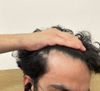
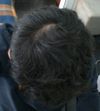
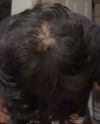
Hair loss was triggered by a testosterone and Masteron cycle, causing scalp tension and shedding. Topical finasteride, RU58841, and oral minoxidil were used to stop shedding and improve scalp condition.
A 21-year-old with early hair loss is considering starting finasteride, either orally or topically, and is unsure about adding minoxidil due to concerns about commitment and effectiveness. They plan to start with microdosing finasteride, possibly adding minoxidil later, and will also try microneedling, rosemary oil, castor oil, and ketoconazole shampoo.
The user is experiencing aggressive hair loss and has been using minoxidil with initial success but is now seeing thinning again. They are considering starting finasteride and dermarolling while waiting for a dermatologist appointment.
The user is experiencing hair loss, initially diagnosed as Telogen Effluvium due to stress, but is concerned it might be Androgenetic Alopecia (AGA). A suggestion was made to consider using Minoxidil or Finasteride if the condition worsens.
The conversation discusses hair thinning and treatments like Minoxidil, finasteride, and RU58841. The user is concerned about distinguishing between natural hair parting and actual thinning.
A man lost his transplanted hair despite using minoxidil because he wasn't on a DHT blocker like finasteride, which is essential to prevent further hair loss. The conversation emphasizes that hair transplants are not a cure and require maintenance with medications to preserve results.
A user's journey to treat hair loss with a combination of oral medication, topical treatments, microneedling and different shampoos and supplements. It includes warnings about an OGX biotin shampoo potentially causing further hair loss.
The user experienced a sudden and severe hair loss after 1.5 years of successful treatment with finasteride and minoxidil. They plan to check their thyroid and vitamin D levels as potential causes.
The user has been using finasteride for 16 months, minoxidil for 11 months, and started microneedling 2 months ago, experiencing shedding phases. They are questioning whether they are experiencing miniaturization or regrowth.
A 31-year-old has been using finasteride, dutasteride, and oral minoxidil for hair loss. They noticed a sudden triangular thinning patch on their scalp and are seeking advice, questioning if it could be medication-related.
A 22-year-old with 4c hair is considering a hair transplant to address traction alopecia caused by braid extensions. They have tried derma stamping, oils, and minoxidil but stopped due to side effects.
A 19-year-old with rapid hair loss since 16 is considering a hair transplant but refuses to take finasteride or any 5α-Reductase inhibitors. They are currently using minoxidil, tretinoin, and microneedling with a Derminator 2, and only want hair until age 27.
A 27-year-old at Norwood 3 is starting a hair loss treatment journey using finasteride, dutasteride, minoxidil, biotin, scalp massages, and ketoconazole shampoo. The focus is on reducing DHT and stimulating growth, with finasteride emphasized as the key long-term solution.
User has been using topical finasteride and minoxidil since May, previously used a spray version since January. They are seeing vellus hairs and have added weekly microneedling to their routine.
User fought hair loss with Derminator microneedling, topical and oral minoxidil, and a 2000 FUE hair transplant. Derminator was a game changer, preventing further loss.
A 16-year-old noticed hair thinning on the crown and sides of the head, with minimal temple thinning. After using Minoxidil for 6 months, some areas improved, but the crown worsened, and they seek advice on the irregular hair loss and treatment options.
A person realized they were balding when their sister pointed it out and is now using a combination of hair loss treatments including finasteride, minoxidil, microneedling, and plans to add dutasteride and RU58841. Others in the conversation emphasize the importance of honesty about hair loss and caution against an overly aggressive treatment regimen, especially before a hair transplant.
A 33-year-old attempted hair regrowth after 10 years of baldness using topical finasteride, minoxidil, micro-needling, a laser cap, and later oral dutasteride. They noticed some regrowth, especially vellus hairs, and are considering a hair transplant or other treatments despite side effects.
A 29-year-old is experiencing hairline loss and has been using oral finasteride and topical minoxidil for two months, considering adding RU58841. They are advised to get a blood test for deficiencies and to style their hair instead of frequent haircuts.
A 24-year-old person who is worried about their hair loss after 14 months of taking finasteride and 11 months of minoxidil. Replies to the post suggested sticking with their current regimen, that shedding from one part may not be telogen effluvium, and that shedding is normal with these drugs and they should evaluate in two to three months.
The conversation discusses a hair loss treatment regimen involving finasteride, dutasteride, spironolactone, bicalutamide, oral estradiol, microneedling, and minoxidil. The regimen aims to reduce androgenic alopecia by blocking DHT and androgens, with a caution about potential feminizing effects.
The conversation discusses hair loss causes beyond male pattern baldness, mentioning treatments like ketoconazole, zinc shampoo, and finasteride. Stress-related hair loss (telogen effluvium) is also suggested.
A 15-year-old is experiencing uneven hair loss, with one temple receding significantly. They are considering using finasteride, minoxidil, or dutasteride to slow hair loss before visiting a dermatologist, and may consider a hair transplant in the future.
The user experienced hair loss after a hair transplant and stopped using finasteride and minoxidil temporarily, as advised by their medical team. They resumed the treatments and are hopeful for regrowth, attributing the current hair loss to shock loss and shedding.
A user is experiencing significant hair shedding after starting a treatment regimen of 1mg oral finasteride, 3mg oral minoxidil, 2.5mg biotin, and vitamins. Despite the shedding, they remain optimistic and plan to continue the treatment for a year before making any conclusions.
Six months after a 4000 graft hair transplant, the individual has seen little to no results. They are currently using finasteride, minoxidil, ketoconazole, and biotin but not microneedling. The advice given is to wait another 2-6 months as full results can take up to a year, and to consider the possibility of shock loss.
A 19-year-old is experiencing excessive hair shedding despite using minoxidil, finasteride, and dutasteride. They are seeking advice on why these treatments aren't working and if their current regimen is appropriate.
After 12 years of success with oral finasteride and topical minoxidil, the user is experiencing hair thinning and scalp discomfort. They are considering options like switching to oral minoxidil, adding dutasteride, or using ketoconazole shampoo, topical caffeine, rosemary serum, and supplements.
The user is experiencing hair loss and is using oral finasteride, considering adding RU58841 and microneedling, and planning a hair transplant. They are seeking advice on whether to wait for treatment results or proceed with the transplant.
OP is experiencing ongoing hair shedding despite two years on finasteride, with some initial improvement but no long-term success. Users suggest seasonal shedding, checking for vitamin deficiencies, considering minoxidil, and possibly switching to dutasteride.