The user is experiencing excessive hair thinning and is unsure of the cause. They are seeking opinions on treatments like Minoxidil, finasteride, and RU58841.
Teenager with hair loss shares experience and encourages others to address their hair loss early. They use a stack of topical finasteride/minoxidil, derma stamp, and ketoconazole shampoo for treatment.
After a hair transplant, the user noticed unexpected new hair growth without using medications or vitamins. Many advised starting treatments like minoxidil and finasteride to maintain the results and prevent future hair loss.
The user is experiencing diffuse shedding but also hairline regrowth after starting finasteride, switching to dutasteride, and using oral minoxidil, ketoconazole shampoo, and RU58841. Other users advise patience, suggesting that the treatments need more time to show results and caution against using too many medications simultaneously.
The user is experiencing continuous hair shedding after starting finasteride and is considering switching to dutasteride or adding minoxidil. They are seeking advice on whether the shedding is normal or if it could be due to other factors like telogen effluvium.
The user has been experiencing worsening hair loss despite using finasteride, minoxidil, and later switching to dutasteride. Despite normal bloodwork and consulting dermatologists, the hair loss continues without improvement.
Hair transplantation involves a detailed consultation, preparation, and a long-term recovery process with stages like initial shedding and gradual new hair growth over months. Setting realistic expectations is crucial for patient satisfaction.
A 19-year-old started treating male pattern baldness with topical minoxidil, finasteride tablets, microneedling, and is considering PRP injections. They are concerned about the effectiveness and timing of these treatments.
The conversation discusses a person's experience with hair loss treatments, including 7 months of using finasteride and minoxidil, switching to oral minoxidil, using ketoconazole shampoo, and microneedling. They notice hair regrowth more with flash photography than in regular light.
The user is using finasteride and topical minoxidil for hair loss after previously trying them separately without success. They are experiencing a shedding phase but are committed to the treatment.
The conversation is about concerns over starting minoxidil due to the initial shedding phase, with minoxidil being the only available treatment option. Despite fears, shedding is a normal part of the process and indicates new hair growth.
The user is experiencing hair loss and is using 2% ketoconazole shampoo, Minoxidil, and Finasteride. They are considering switching from Finasteride to Dutasteride, but others suggest waiting due to a possible shedding phase.
Increased scalp itching during shedding phases while on finasteride treatment may coincide with hair regrowth and recovery. This suggests that itching might not always indicate continued hair loss and could encourage persistence with the treatment.
A 30-year-old male, 19 days post-hair transplant, is experiencing normal shedding and is concerned about hair loss. He is taking Dutasteride and Minoxidil tablets daily and is advised to trust the process as shedding is a typical phase.
The user is experiencing hair shedding despite using finasteride, minoxidil, and microneedling, and is concerned about the non-linear progress. Other users share similar experiences, suggesting shedding is normal and cyclical, with some recommending less frequent microneedling.
The user changed their hair loss treatment in October/November, experienced increased shedding, and now sees no new hair growth, with a worsening condition and a possible bald spot. They also have severe seborrheic dermatitis, which may be affecting their scalp and hair loss.
A 28-year-old male using Tugain 10 minoxidil, Finpecia 1mg finasteride, Cipla Ketoconazole shampoo, and dermarolling 0.5mm weekly for 3-4 months is seeing some hair regrowth. Encouragement is given to continue the regimen.
The user experienced significant hair shedding and dryness after starting minoxidil 8 months post-hair transplant, despite using finasteride and oils like castor and pumpkin seed oil. They expressed concern over the loss of density and the appearance of a failed transplant.
A 17-year-old experiencing aggressive hair loss since December 2023 is using finasteride, vitamin D, and a biotin supplement but cannot use minoxidil due to dandruff. They have also undergone two PRP treatments and are seeking further advice.
A 33-year-old male experienced sudden, rapid hair loss, possibly due to a reaction to mentholated shampoo and undiluted tea tree oil, with a history of seborrheic dermatitis. He is currently taking finasteride, vitamin D3, a multivitamin, and biotin, and is seeking further medical evaluation.
The user has been experiencing diffuse hair thinning despite using finasteride, minoxidil, dermarolling, clobetasol cream, and PRP sessions. They seek advice on additional treatments and are advised to check vitamin D, iron, and thyroid levels.
A 22-year-old male experiencing diffuse thinning started finasteride and 2% minoxidil 8 months ago, then switched to 5% minoxidil with tretinoin 4 months ago. Despite initial improvement in hair density, he is now experiencing increased hair shedding, losing 100-200 hairs daily.
Hair appearance fluctuates due to factors like styling, product buildup, and humidity, causing frustration for those with diffuse thinning. Treatments mentioned include minoxidil, finasteride, ketoconazole shampoo, and RU58841, with mixed results.
Many regret delaying hair loss treatments like finasteride and minoxidil, impacting self-esteem and dating. Additional treatments include scalp micropigmentation and hair transplants, with some experiencing side effects or high costs.
A user experienced significant hair shedding and thinning 10 months post-hair transplant despite using minoxidil and topical finasteride. They are considering switching to oral finasteride or dutasteride and are also dealing with scalp conditions like seborrheic dermatitis.
The conversation is about starting a hair loss treatment routine before a wedding in 5.5 months. The suggested treatments include topical Minoxidil, a red light cap, microneedling, and possibly supplements, but opinions vary on whether it's too late to start, with some recommending using hair fibers for the wedding.
The user experienced hair regrowth with finasteride and minoxidil but faced shedding after stopping the treatment. They resumed the treatment and used Toppik hair fibers to mask hair thinning during the shedding phase.
The post discusses a 21-year-old male's significant hair regrowth after experiencing shedding periods during an 11-month treatment with finasteride, minoxidil, ketoconazole, biotin, and dermaroller. The conversation encourages persistence with the treatment despite shedding phases, as hair tends to grow back thicker and longer.
The user is experiencing increased thinning around the crown after starting topical Minoxidil and is considering switching from Finasteride to Dutasteride. Responses suggest the thinning might be a temporary shedding phase due to the new treatment, and it's advised to continue the current regimen and monitor progress.
A user shared their 6.5-month experience with topical finasteride (2%) and minoxidil (5%), noting initial progress followed by a significant shedding phase. Others in the conversation reassured that shedding is normal and suggested staying consistent with the treatment for potential regrowth.
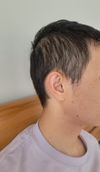
![[19M] Am i too late for treatment?](/images/assets/232734c3-9b29-4a94-b08e-91f80933a5c3/small/13399.jpg)