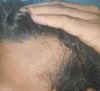
A 17-year-old is experiencing hair loss and is considering using Minoxidil and Finasteride. They are questioning if Minoxidil alone is sufficient or if Finasteride is necessary.
The user is discussing hair regrowth after 3.5 months of using finasteride, questioning if the new growth is baby hairs. They compare photos from December to the present to assess progress.
A user has been experiencing hair loss since 2013 and has tried various treatments including finasteride, minoxidil, fluridil, pantostin, stemoxydine, microneedling, and Nizoral. They reported improvement after adding antiandrogens and other treatments in July of the previous year but stopped finasteride due to erectile dysfunction.
A 26-year-old male with early hair thinning is using finasteride, topical minoxidil, and supplements for deficiencies in iron, B12, and vitamin D3. He is considering adding oral minoxidil to his treatment plan.
A mid-30s individual is experiencing hair loss at the front and temples but not the crown, and is seeking affordable treatments. They have ordered pumpkin seed oil capsules due to cost and side effects concerns with official treatments.
Scalp biopsies are crucial for diagnosing hair loss conditions like Diffuse Unpatterned Alopecia (DUPA) and retrograde hair loss, as treatments like finasteride and dutasteride may not be effective if other conditions are present. Combining PPAR-GAMMA agonists with retinoids could improve treatments for conditions like Lichen Planopilaris.
Regrowth is more likely if hair follicles are still alive, regardless of age, but younger individuals often see better results due to early intervention. Treatments like finasteride, minoxidil, and dermarolling can help, but results vary based on individual factors such as the presence of miniaturized hairs and the speed of treatment initiation.
A 20-year-old shared their 6-month hair loss progress using 1mg finasteride three times a week, 5% minoxidil twice daily, and 1mm dermarolling once a week. Users noted significant improvements and inquired about shedding.
Hair loss can be managed by acting early, using treatments like Minoxidil, finasteride, and possibly dutasteride, along with lifestyle changes such as using sulfate-free shampoos and eating protein-rich foods. Consulting a dermatologist and considering microneedling, vitamins, and anti-fungal shampoos are also recommended.
PP405 is considered a promising potential cure for hair loss, with phase 2 trial results expected in February 2025. Hair cloning is also discussed as a potential ultimate solution, despite significant scientific challenges.
A 22-year-old male experiencing thinning hair seeks natural remedies, avoiding minoxidil and finasteride due to potential side effects. Suggestions include using rosemary oil with microneedling, vitamins, and considering minoxidil for regrowth, while others emphasize finasteride as the most effective option for maintaining hair.
The conversation discusses hair loss treatments, specifically mentioning Minoxidil, finasteride, and RU58841, and highlights hair multiplication research from Koehler Lab at Harvard. Users express optimism about future advancements.
An 18-year-old male is experiencing hair loss and is using topical minoxidil and oral finasteride. He is concerned about continued shedding, mild sexual side effects, and whether to adjust his finasteride dosage.
An 18-year-old is using oral finasteride, topical minoxidil, ketoconazole shampoo, and tretinoin for severe hair loss and is considering adding dutasteride. Despite concerns about starting finasteride at a young age, the user prioritizes preventing further hair loss over potential hormone issues.
Hair loss treatments include finasteride, minoxidil, alfatradiol, vitamins, red light therapy, ketoconazole shampoo, meditation, green tea, leg workouts, and silk pillows. Genetics is emphasized as the primary factor in hair health, with some humor about unconventional methods like drug use affecting hair loss.
The user is concerned about hair loss and is using treatments like dutasteride, microneedling, and topical finasteride, while considering adding RU58841. They are also using Minoxidil on the temples and are worried about testosterone-related hair loss.
A 34-year-old woman is experiencing diffuse hair loss and irregular periods, possibly due to long-term spironolactone use. She is considering minoxidil and finasteride for treatment and seeking medical advice for androgenic alopecia and hormonal imbalances.
The user is experiencing hair loss and is considering using finasteride again, along with ketoconazole shampoo and curl cream, to manage their long hair. They are concerned about the appearance of new hair growth and the potential shedding phase from minoxidil.
The conversation is about when GT20029, a hair loss treatment, might be available on the grey market, with users discussing the challenges of compounding it and speculating it might be available after phase 2 results, similar to pyri. Specific treatments mentioned are pyri, RU58841, and GT20029.
The user started using finasteride three times a week and discovered black hair powder, which improved their appearance but raised concerns about potentially blocking hair pores. They are seeking advice on whether it's safe to use the powder without affecting new hair growth.
The user started using minoxidil at 18 and finasteride at 19, but at 22, their hair is still getting worse. Some suggest trying dutasteride and RU58841, while others advise accepting hair loss and keeping hair short.
The user is experiencing diffuse shedding but also hairline regrowth after starting finasteride, switching to dutasteride, and using oral minoxidil, ketoconazole shampoo, and RU58841. Other users advise patience, suggesting that the treatments need more time to show results and caution against using too many medications simultaneously.
Hair loss discussion includes Minoxidil and regrowth. Regrowing hairs start light and curly, then become dark and thick; losing temporal peaks is normal.
The conversation is about a 21-year-old seeking advice on managing hair loss, considering options like shaving, hair implants, or using treatments like finasteride and minoxidil. The user is concerned about self-image and the social implications of being bald at a young age.
A user reported that after experiencing hair thinning, they started using finasteride in 2024 and later began GHK-Cu peptide injections in March 2026, which they believe stopped their hair loss and made their hair feel thicker. The user shared their experience despite receiving criticism for not solely endorsing finasteride.
A 35-year-old man had a 6400 graft hair transplant in Turkey after years of baldness, using finasteride, oral and topical minoxidil, and scalp micropigmentation. He is satisfied with the progress and plans further SMP touch-ups to enhance results.
A 24-year-old is experiencing hair shedding and regrowth while using dutasteride (1mg), vitamin D, and minoxidil (5%). Others share similar experiences with hair loss treatments like minoxidil and finasteride.
OP experienced significant hair regrowth after recovering from iron deficiency anemia and starting minoxidil. They suspect anemia contributed more to their hair loss than androgenetic alopecia (AGA).
A 19-year-old with thinning hair at the temples is prescribed finasteride 1mg daily and minoxidil 2% twice daily. They seek feedback on the effectiveness of finasteride for young people, especially those who started between ages 18-20, given their family history of baldness.
PP405 is anticipated as a future treatment for dormant hair follicles, but its effectiveness and safety are uncertain. Current treatments include oral minoxidil and microneedling, with some avoiding finasteride due to side effects.