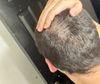
User started balding at 16 and began treatment at 18, using RU58841, minoxidil, derma rolling, and peptides. After 6 months, they experienced significant hair regrowth and are happy with the results.
A user claimed to cure their baby's baldness by using finasteride, minoxidil, ketoconazole, dermarolling, scalp massages, and headstands to increase blood flow. Commenters responded with humor, suggesting various exercises and questioning the legitimacy of the transformation.
A 48-year-old man has been using minoxidil for 15 years and considered finasteride but stopped due to potential side effects. He is concerned about his mental health and the impact of hair loss on self-image, and he encourages support among men experiencing hair loss.
A 24-year-old is experiencing hair shedding and regrowth while using dutasteride (1mg), vitamin D, and minoxidil (5%). Others share similar experiences with hair loss treatments like minoxidil and finasteride.
A 21-year-old shared their one-year hair loss treatment journey, using finasteride, a multivitamin, cold water hair washes, peppermint and jojoba oil, zinc, iron, L-arginine, vitamin D, and ashwagandha. They advise seeing a doctor for finasteride, considering lifestyle changes before minoxidil, getting blood work, talking about the issue with friends, and sticking to a treatment plan for at least six months.
A 32-year-old male has been dealing with hair loss since 2010 and started treatment 11 months ago. He used dutasteride, finasteride, minoxidil, multivitamins, vitamin D3, PRP, and a laser cap, resulting in improved hair density despite ongoing shedding.
A man in his thirties found increased confidence after shaving his head, despite years of hair loss. Others discussed using treatments like finasteride, minoxidil, and hair transplants, with mixed opinions on their effectiveness.
A user shared their hair loss treatment regimen, which includes minoxidil, finasteride, ketoconazole shampoo, stemoxydine, and microneedling, and reported promising results. Other users complimented the progress.
Finasteride may be losing effectiveness for the user after 4.5 years, possibly due to intense workouts or a synchronized hair shedding cycle. Suggestions include switching to Dutasteride or continuing with Finasteride while considering a hair transplant for hairline density.
The user is concerned about whether their hair styling is causing thinning or if it's natural. They are considering treatments like Minoxidil, finasteride, or RU58841 for hair loss.
User is depressed about hair loss despite using topical minoxidil for 5 months and topical finasteride for 2 months, with no improvement. Others suggest trying oral finasteride, seeing a specialist for dandruff and oily scalp, and being patient.
A 23-year-old is experiencing hair thinning and considering treatments like dutasteride, minoxidil, and finasteride. Suggestions include using topical 5% minoxidil foam and 1mg oral finasteride, with caution advised for dutasteride and oral minoxidil due to potential side effects.
Pelage PP405 is a new hair loss treatment in trials, potentially reactivating dormant hair follicles without affecting hormones. Results are expected in February 2025, offering an alternative to minoxidil and finasteride.
The user experienced significant hair regrowth using a daily oral combination of minoxidil (3mg) and finasteride (1.1mg) without side effects. Others shared their experiences with similar treatments, noting varying results and side effects.
A 36-year-old man is considering starting oral finasteride and minoxidil, using ketoconazole shampoo, and possibly getting a 3000-graft FUE hair transplant. He previously had scalp micropigmentation but is now exploring medication due to fewer concerns about side effects.
Hair loss treatments discussed include Minoxidil, finasteride, and RU58841. The conversation humorously reflects on past hair loss solutions and the potential of hair cloning.
A young person struggling with hair loss switched from finasteride to 0.5mg dutasteride and Oral Minoxidil 2.5mg, hoping for improvement before graduation. They are considering a hair transplant and exploring other treatments like stemoxydine and hair fibers, while dealing with the emotional impact of early balding.
The user experienced significant hair regrowth after switching to oral finasteride and minoxidil in February 2025. They plan to stop using topical minoxidil gradually and have not experienced significant side effects from the treatment.
A 17-year-old is concerned about hair loss and is considering treatments like Minoxidil, finasteride, and RU58841. They feel uncertain about whether to start treatment.
A user's progress pictures and four month finasteride update showing dramatic hair regrowth, as well as their experiences with other treatments like minoxidil. The conversation also includes advice on diet, testosterone levels, and the importance of avoiding baldness for attraction and confidence.
A 24-year-old experiencing hair thinning is using minoxidil, finasteride, and nutrafol, and plans to add keto shampoo and a derma roller to their routine. They are considering shaving their head before a trip to Europe and are advised to continue treatment, improve lifestyle habits, and possibly increase finasteride dosage for better results.
A 28-year-old male shares his hair loss journey, starting with a hair transplant in February 2024 and using finasteride, later switching to dutasteride in January 2025. He has not used minoxidil and is satisfied with the results, despite some side effects like temporary nipple pain and a spike in libido.
The conversation is about a user trying hair fibers to cover hair loss while waiting for Rogaine (Minoxidil) to work. Some suggest using Finasteride or other treatments for better results, while others criticize the appearance of the fibers.
PP405 may induce new hair growth but cannot revive completely dead follicles, and its effectiveness on hairlines is uncertain. It is expected to be available by mid-2028, but users are advised to manage expectations and consider using other treatments like minoxidil and finasteride.
A 19-year-old experiencing severe hair loss since 16 is using a treatment regimen of 5% minoxidil, 0.1% finasteride topical solution, 3% procapil hair serum, and 0.5 mg dutasteride daily. They are concerned about the effectiveness and potential shedding phase, with advice suggesting noticeable changes in 6 to 8 months.
A user shared progress pictures showing hair improvement after 11 months of using finasteride, minoxidil, and occasional microneedling. The user aims to motivate others starting similar treatments.
The conversation is about disappointment with hair loss progress despite using treatments like finasteride, minoxidil, nizoral, tretinoin, and a dermaroller. Direct sunlight revealed more hair loss than expected, prompting continued treatment and hope for improvement.
User experiences slow hair regrowth despite using finasteride, topical minoxidil, and supplements like biotin, zinc, and collagen. They seek advice on addressing overall slow hair regrowth.
A 27-year-old woman experiencing significant hair loss is using spironolactone, Nizoral shampoo, and betamethasone valerate. She questions the effectiveness of these treatments and whether she should seek another dermatologist.
A user shared their positive experience with hair regrowth using finasteride, genuine minoxidil, and dermastamping, noting significant improvement after switching from a fake minoxidil product. They advised others to verify the authenticity of minoxidil through a bleach test to avoid counterfeit products.