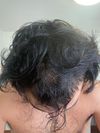
A 16 year old's experience with using pyrilutamide to treat hair loss, and the potential side effects of adding tretinoin to minoxidil and finasteride treatments.
A 20-year-old started using minoxidil, rosemary oil, Alpecin caffeine shampoos, scalp massager, derma rollers, and supplements for hair regrowth, seeing significant improvement initially. However, after 6 months, they noticed increased shedding and thinning, causing concern about whether this is normal or indicative of a problem.
Young men experiencing hair loss should consult a dermatologist and consider treatments like finasteride and minoxidil. Shaving is an option, but medications can help maintain and regrow hair, though results vary.
A 19-year-old is experiencing hair thinning at the corners and some hair loss during sleep and washing. They are seeking advice on which treatment to start.
An 18-year-old is concerned about their visible hairline and low hair density when considering a buzz cut. They are worried about potential negative reactions.
The conversation is about dealing with hair loss during university, with the original poster using dutasteride and minoxidil as treatments. Participants share their experiences and coping strategies, such as wearing hats, considering going completely bald, or getting a hair transplant after graduation.
Hair loss treatments like finasteride, minoxidil, ketoconazole, PRP, and microneedling helped maintain hair for 20 years. Research and try evidence-based treatments for best results.
A 23-year-old male shared his 5.5-month progress using 5% topical minoxidil foam for hair regrowth, considering adding finasteride despite concerns about side effects. Users advised starting finasteride to maintain gains, with some suggesting topical options to minimize side effects.
A user shared their experience with male pattern baldness and accepting baldness after shaving their head at age 29. Some responses suggest treatments like minoxidil and finasteride, while others discuss acceptance and personal experiences with hair loss.
The post discusses using a topical tincture containing zinc, azelaic acid, and other ingredients to inhibit 5 alpha-reductase activity for treating hair loss. The user plans to try this natural alternative before using finasteride or RU58841.
A 20-year-old is dealing with male pattern baldness and considering finasteride despite concerns about side effects. Users recommend treatments like minoxidil, dutasteride, and lifestyle changes, stressing early intervention.
A new topical medication, Clascoterone, shows promise for hair loss, improving hair count significantly. Trials for Breezula are ending, but sign-ups for PP405 trials are available for 2026.
Scalp tension potentially affecting hair loss, and potential treatments for male pattern baldness such as Minoxidil, Finasteride and RU58841. Evidence from a study was discussed which suggests that the cause of MPB lies within the follicle itself and is not dependent on its surrounding environment.
A 21-year-old has been using oral finasteride, topical minoxidil, and tretinoin for 2 months and notices potential regrowth with baby hairs. They consider adding dutasteride weekly but wonder if current treatments are sufficient.
The conversation discusses managing hair loss and scalp issues, with users sharing experiences using treatments like dutasteride, finasteride, ketoconazole, sulfur soap, and topical anti-androgens. Suggestions include trying sulfur soap, scalp massages, spironolactone, and dietary changes to reduce sebum production and dandruff.
The user experienced hair regrowth using topical minoxidil and finasteride, and later added oral finasteride for maintenance. They reported no side effects and found a specific shampoo helpful for scalp issues.
A man felt insecure when his date touched his thinning hair, causing awkwardness. He uses finasteride and minoxidil for hair loss but still struggles with confidence.
The user shared progress pictures showing significant hair growth after using minoxidil, dutasteride, and ketoconazole shampoo. They reported seeing results in 1.5-2 months and discussed the effectiveness of oral treatments over topical ones.
Many younger men are experiencing hair loss due to genetics, diet, stress, and lifestyle changes. Treatments like finasteride and minoxidil are mentioned, with some users noting improvements.
An 18-year-old is using oral finasteride, topical minoxidil, ketoconazole shampoo, and tretinoin for severe hair loss and is considering adding dutasteride. Despite concerns about starting finasteride at a young age, the user prioritizes preventing further hair loss over potential hormone issues.
Some users believe creatine may accelerate hair loss, while others see no effect. Opinions are mixed, with some suggesting using treatments like finasteride to counter potential effects.
TurboMoe has been using 1mg finasteride and 2mL minoxidil daily for 6 months to reverse his frontal hair loss, with good results. He previously used finasteride in his 20's but stopped before having children due to low sperm count; he stayed off it until his last child was born.
Finasteride and oral minoxidil effectively maintain a youthful appearance and full head of hair, despite genetic predispositions to balding. The discussion also considers the impact of DHT blockers on masculinity and aging, with lifestyle choices like sunscreen use and a vegetarian diet mentioned.
A 22-year-old male experiencing hair thinning has been using topical finasteride and minoxidil since September 2024, with improvement except in the frontal/middle scalp area. He seeks advice on additional treatments and has started scalp massages.
A 23-year-old is experiencing hair that is thick at the ends but thin at the roots despite using minoxidil and finasteride for 10 months. They are concerned about whether this is normal or a sign of miniaturization and seek advice on reversing or improving the condition.
An 18-year-old has been using minoxidil since March 2024 with good results but experienced sexual side effects from topical finasteride and oral finasteride, leading to stress and heavy hair shedding. They are concerned about the side effects of finasteride, potential initial shedding, and whether stopping finasteride will worsen hair loss.
A 42-year-old had 2,100 grafts transplanted to the frontal third of the scalp, using treatments like Dutasteride, oral Minoxidil, ketoconazole shampoo, dermarolling, and PRP. They plan to add RU58841 and have scheduled SMP to improve cosmetic results.
The user is concerned about hair loss and is using treatments like dutasteride, microneedling, and topical finasteride, while considering adding RU58841. They are also using Minoxidil on the temples and are worried about testosterone-related hair loss.
The user shared progress pictures showing hair growth after six months of using topical minoxidil twice daily, finasteride once daily, derma rolling every four days, and initially taking zinc and vitamin D. They also used scalp massaging techniques with minoxidil.
The user is experiencing intense hair shedding all over the scalp after applying pyrilutamide to the hairline and taking oral castor oil. They are also using topical finasteride and latanoprost, but are unsure which treatment is causing the shedding.