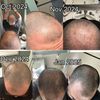
A user experimenting with an extreme hair loss treatment stack of Dutasteride, RU58841, 15 mg oral minoxidil, and microneedling, which sparked a debate among other users about the safety of this approach.
The person is using 1mg of finasteride daily, 2mg of minoxidil, and weekly dermarolling with a 1mm needle. They sometimes use topical minoxidil as well.
Adding tretinoin to a regimen of minoxidil and finasteride led to increased hair shedding and worsened hairline for some users. Opinions vary, with some experiencing negative effects and others seeing no issues, but concerns about tretinoin's impact on hair loss are common.
A user is considering using verteporfin with microneedling, oral/topical minoxidil, and RU58841 to treat hair loss. They seek advice on dosage and application methods.
Switching from 2% liquid minoxidil to 5% foam minoxidil reduced scalp irritation but increased eyebrow flakiness and thinning. The user speculates that propylene glycol in the liquid formulation might have been protecting against seborrheic dermatitis while causing contact dermatitis.
The conversation is about a user's hair regrowth after 2.5 months using topical minoxidil. Some suggest adding finasteride for long-term results, while others share their experiences with side effects or alternative treatments like dermarolling and dietary improvements.
A peptide from Japanese water chestnut fruit may help with hair loss by suppressing DHT's effect on hair follicle cell death, potentially serving as a finasteride alternative. The treatment's effectiveness and safety in humans remain uncertain.
Copper peptides, specifically GHK-Cu, are discussed as a potential addition to hair loss treatments, possibly working synergistically with Minoxidil to convert vellus hair into terminal hair. The effectiveness and credibility of copper peptides are questioned due to the lack of widespread discussion and potential conflict of interest from the product's creator.
The user is experiencing noticeable hair improvement after 4.5 months of using a treatment regimen including minoxidil, finasteride, biotin, Nioxin shampoo, microneedling, topical NANoxidil, and copper peptides. Feedback from others is positive, encouraging the user to continue the treatment for at least a year or more.
The conversation discusses interest in peptides for hair loss, specifically mentioning ahkCU and ghkCU. A user is considering adding ghkCU to their treatment regimen.
A user shared their 11-month experience using a 272 diode red light hat for hair loss, noting decent results despite inconsistent use and no medication. Another user suggested that real treatment like minoxidil or finasteride is necessary for long-term hair maintenance.
The post discusses using microneedling alone for hair regrowth without finasteride or minoxidil due to side effects and dependency concerns. The user is also considering the "Zix" formula, acetic acid, topical zinc solutions, and lithium chloride.
The user started taking 1 mg finasteride daily in September 2024 and began derma stamping twice a week, noticing progress initially but now experiencing increased scalp visibility. They are considering adding oral or topical minoxidil to their routine for further improvement.
Redensyl, which is a topical alternative to Minoxidil for hair loss. It may have advantages such as not making the hair greasy and lasting longer after discontinuing use than minoxidil. There are some positive reports from users, but also some negative ones, so it's unclear how effective this treatment will be in comparison to Minoxidil and other treatments like Finasteride or RU58841.
A new product, a retinoic acid solution (0.3%), is available to enhance minoxidil products like Rogaine and Kirkland by converting them into a tretinoin-containing solution for improved hair loss treatment. One unit of the product is enough for a year's supply.
A 25-year-old is using vinpocetine to enhance the absorption of topical Minoxidil for hair loss. They also use a hair tonic and supplement with Glycine, Taurine, Creatine, and Citrulline.
Male pattern baldness (MPB) may be an early warning sign for type 2 diabetes due to its association with insulin resistance. Treatments discussed include testosterone therapy and finasteride, which affects hormone levels related to hair loss and insulin sensitivity.
The user shared their 6-month hair loss progress using topical minoxidil, oral minoxidil, finasteride, and microneedling. They noted thicker eyebrows and eyelashes but also increased body hair.
Oral minoxidil may cause temporary facial puffiness, leading to a perception of accelerated aging, but it doesn't cause actual aging. Concerns about hair loss and treatments like minoxidil and finasteride are discussed, with suggestions to use tretinoin and sunscreen to mitigate potential side effects.
A 19-year-old is experiencing hair regrowth using 0.5mg dutasteride, topical minoxidil at night, topical redensyl in the morning, and weekly dermarolling. They have been on the treatment for a month and plan to share monthly updates over the next two years.
A female user is seeking feedback on using topical minoxidil on eyebrows due to eyebrow loss, as oral minoxidil hasn't worked and they avoid Latisse due to potential fat loss.
The user restored their hair using 5% minoxidil liquid, a 5 mg minoxidil pill, and dutasteride, experiencing no side effects. Others shared mixed experiences with dutasteride and finasteride, noting side effects like reduced libido and erection issues.
A user shared progress pictures after 50 days of using a compound with 10% minoxidil, 0.1% finasteride, and biotin, expressing satisfaction with the results. Another user commented positively on the progress.
The conversation discusses using 0.1% retinol as a potential substitute for 0.01% tretinoin with minoxidil for hair loss treatment. It mentions that tretinoin is not easily available in some countries, and retinol might be less effective but less harsh on the scalp.
The user shared a 9+ month hair loss treatment progress with 1mg finasteride in the morning, 2.5mg oral minoxidil at night, and vitamin A spray at night, noting the importance of seeing a dermatologist early as their cousin started treatment too late for it to be effective.
A user shared their positive experience with a clinical trial for a new oral medication, VDPHL01, which is a reformulated version of oral minoxidil taken at a high dose of 17mg daily, showing significant hair regrowth after six months. The user noted that this formulation is believed to be more effective and time-released, with fewer side effects compared to regular oral minoxidil.
The user has been using finasteride for two years without results and recently started a new routine involving derma stamping, retinol, and minoxidil, which seems to show progress. The user microneedles about half the week and uses L’Oréal night serum for retinol.
A 51-year-old woman switched from Minoxidil to Maneup, a copper peptide treatment, experiencing initial hair loss but later regrowth with different hair texture. Users debated Maneup's effectiveness, with some considering it alongside finasteride.
Stemoxydine is available in L'Oréal's Serioxyl and Dercos Neogenic products, which can be found on Amazon, Ulta, or L'Oréal's website. A user is selling three bottles of L'Oréal Stemoxydine.