The conversation discusses hair loss treatments, specifically using Minoxidil, finasteride, and RU58841. Users suggest simplifying the application routine and question the absence of dutasteride.
Dutasteride and finasteride have similar risk profiles despite Dutasteride blocking more types of 5AR in the brain. Some users report no mood issues with either drug, and it is suggested that Dutasteride's larger molecular size may limit its ability to cross the blood-brain barrier.
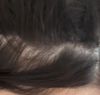
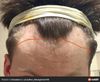
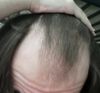
A user shared progress pictures showing hairline improvement after 2 years of using topical Minoxidil, 1mg oral Finasteride, and sporadic microneedling. Another user praised the progress and shared mutual encouragement.
A user is asking if a regimen of 2.5mg oral minoxidil, 2ml topical minoxidil, finasteride, vitamin E, and a multivitamin will regrow their hair. Responses suggest optimism, calling it a strong treatment plan.
A user has been taking finasteride for 7.5 months and experiencing shedding since the second month, leading to significant hair thinning. Other users suggest continuing the treatment, as shedding is normal, and some have seen improvements after 8 months.
A new hair loss treatment, Pyrilutamide, has been released and is claimed to be a strong anti-androgen, potentially effective when used with finasteride. However, there are mixed opinions on its effectiveness and safety, with some users skeptical and others purchasing it.
The user shared progress pictures showing hair regrowth after increasing the dose of topical Minoxidil and adding Finasteride. Replies indicate positive feedback and encouragement, noting visible improvement in the hairline.
A user started taking 0.25mg of finasteride every other day to prevent hair loss and documented their experience. Initially, they felt anxious and had headaches, but by the second week, they felt normal with no side effects or changes in hair.
The user is unsure if their hair has improved or worsened after inconsistent minoxidil use, iron, and vitamin D supplements. A reply suggests the hair looks better but recommends consistent photo angles for accurate comparison.
The conversation humorously discusses hair loss treatments, including Minoxidil, finasteride, RU58841, and topical 17 alpha estradiol, with some users joking about transitioning to female to avoid baldness. The overall tone is satirical, emphasizing self-acceptance and the lengths people might consider for hair restoration.
The user is pleased with 4 months of progress using topical minoxidil 5%, finasteride 1mg, and dermarolling 1mm weekly. They are asking if they should expect more results before one year and if they should switch to oral minoxidil.
The user shared progress pictures showing hair regrowth over 55 days. They used 1mg finasteride, a 1mm dermaroller once per month, and 5% minoxidil twice daily.
The user has been using oral minoxidil, dutasteride, and RU58841 but continues to experience hair loss. They seek advice on why the treatments aren't working and if others have had similar experiences.
A 40-year-old using 1mg finasteride daily reports noticeable hair regrowth in 7 weeks and plans to start 5% minoxidil and microneedling. Feedback is mixed, with some seeing progress and others suggesting a hair transplant.
Some users report significant hair regrowth without microneedling, using treatments like finasteride, minoxidil, and dutasteride. Others believe microneedling enhances results, but opinions vary on its necessity.
RU58841 powder storage, with differing opinions on whether to store it in the freezer or at room temperature. One user prefers the freezer, while a company suggests room temperature.
The conversation discusses hair loss treatments, specifically the use of finasteride, minoxidil, and microneedling over 21 months. A user inquires about whether minoxidil is used orally or topically.
The conversation is about hair loss and the effectiveness of treatments like finasteride, with one user expressing satisfaction after seeing hair regrowth on CCTV. Other users share their experiences with hair visibility and discuss the effectiveness of finasteride compared to dutasteride.
A 15-year-old is experiencing hair loss and has tried rosemary and jojoba oils without success. They are advised to see a doctor for thyroid and androgen tests and consider using Minoxidil.
A 26-year-old male shared his six-month results using oral dutasteride (0.5 mg/day) and oral minoxidil (3.5 mg/day), noting increased density but little change in the receding hairline. Users suggested dermarolling and adding topical minoxidil for better results, while OP reported no side effects from dutasteride.
The user has been using 1mg finasteride daily, minoxidil foam once or twice a day, and Nizoral shampoo 3-4 times weekly for 8 months, noticing some shedding but not much growth. Others suggest patience, microneedling, or additional treatments like dutasteride, PRP, or exosomes for better results.
A 28-year-old male is experiencing rapid hair loss and is considering using Minoxidil and finasteride to restore his hairline but is concerned about potential side effects. He prefers not to undergo a hair transplant due to cost and seeks advice on maintaining attractiveness.
A 32-year-old male experienced reduced libido and erectile difficulties after taking Minoxidil and Dutasteride for hair loss. He stopped the treatment and plans to consult his doctor, seeking similar experiences from others.
A 22-year-old is concerned about a receding hairline and has been using minoxidil for 5 months without seeing new growth. Suggestions include continuing minoxidil for up to a year, considering finasteride, and possibly a hair transplant.
The user is experiencing hair thinning and loss at the temples, likely due to androgenetic alopecia. Suggested treatments include finasteride and minoxidil to slow hair loss and promote regrowth, with buzzing hair short as a styling option.
The user experienced temporary peach fuzz growth using a product with procapil and later tried minoxidil and finasteride without significant results. Their boyfriend has used minoxidil and finasteride consistently for over five years with sparse hair improvement.
A user is exploring personalized topical formulations for hair loss from Roots By Genetics Art, specifically interested in the GA-5 Power Restore formulation containing dutasteride, minoxidil, and other ingredients. They seek opinions on the effectiveness and value of these products.
Clascoterone cream can be used on the scalp, but it may not be effective due to its dosage. AR antagonists like clascoterone are generally less effective than 5AR inhibitors for hair loss.