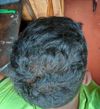
A user on finasteride, minoxidil, dermastamp, and Nizoral is seeing baby hairs and asks if it's regrowth. Another user confirms it is regrowth and encourages them to continue.
PP405 might make minoxidil unnecessary, but finasteride or other 5AR inhibitors may still be needed. PP405 is expected to be expensive and not available until at least 2028, with limited information on its effectiveness.
Finasteride is discussed for hair loss treatment, with opinions divided on its safety and effectiveness. Some consider natural remedies, but these may also affect hormones.
A user experienced hair loss due to a folic acid deficiency and saw hair regrowth after taking a folic acid supplement. They advise checking for a folic acid deficiency before spending money on other treatments.
1% finasteride is considered too high, with most people using 0.1% or 0.3% topically. Combining it with 0.1% tretinoin is aggressive and may cause skin irritation.
A 31-year-old male shared his 3-year progress using finasteride 1 mg daily, with additional treatments including nutrafol, multivitamins, vitamin D, marine collagen, PRP scalp injections, micro-needling, and Nizoral. He experienced temporary libido issues but currently has no side effects.
The user has androgenetic alopecia (AGA) and low Vitamin D levels, and they started using topical minoxidil (5%). They are considering finasteride but are concerned about side effects and are advised to seek mental health support.
Hair loss treatments discussed include alfatradiol, big 3, finasteride, RU58841, and stemoxydine. Alfatradiol is less effective but has fewer side effects, and mixing with stemoxydine may improve results.
PP405, a topical LDH inhibitor, has shown to stimulate hair follicle stem cell proliferation in humans with moderate hair loss. They are advancing to more detailed trials this year.
Phase II for TDM-105795 for Androgenic Alopecia is set to begin in April 2023. The study aims to evaluate the efficacy and safety of TDM-105795 in male subjects.
Balding can be traumatic for many, affecting self-esteem and social interactions, while others accept it more easily. Treatments mentioned include finasteride, minoxidil, and RU58841.
Three months into using Minoxidil, finasteride, dermarolling, tretinoin, and saw palmetto shampoo, the user is seeing baby hairs on their hairline and is hopeful they will thicken. Another user reports that their own baby hairs have been getting thicker and longer over time.
An 18-year-old experiencing diffuse hair thinning since 8th grade seeks advice. They are concerned about having less hair than their 52-year-old father and are looking for treatment options.
Addressing hair loss by focusing on posture, blood flow, and craniofacial development. Methods include improving posture, cardiovascular activity, scalp massages, healthy diet, meditation, using minoxidil, and addressing craniofacial issues.
Applying hair loss treatments like minoxidil and finasteride, with concerns about side effects and application timing. Some users experience side effects, while others manage without issues, and there's interest in future treatments like pyrilutamide.
Finasteride and minoxidil do not negatively interact with multivitamins, omega-3 fish oils, biotin, magnesium glycinate, or collagen peptides. Users report no issues taking these supplements alongside their hair loss treatments.
Hair loss in a 3-year-old, with various treatments discussed such as minoxidil, finasteride, dutasteride, RU58841 and biotin supplementation. Some people suggested shaving the head and growing a beard or getting a partial hairpiece instead of attempting to treat it.
The conversation is about hair loss and regrowth, with the original poster discussing iron deficiency and using iron supplements. Other users mention treatments like finasteride, minoxidil, ketoconazole shampoo, and hair care products for managing symptoms.
Hair appearance fluctuates due to factors like styling, product buildup, and humidity, causing frustration for those with diffuse thinning. Treatments mentioned include minoxidil, finasteride, ketoconazole shampoo, and RU58841, with mixed results.
A user regrets not starting hair loss treatments like Minoxidil, finasteride, or RU58841 sooner. Others comment on hair loss patterns and concerns about side effects.
Starting finasteride earlier is generally more effective for hair loss, with no evidence of reduced effectiveness over time. Oral finasteride is recommended for better results, and starting treatment after age 18 is advised.
A 57-year-old man with male pattern hair loss and insulin resistance experienced hair regrowth and weight loss after using tirzepatide, without other hair treatments. Dysregulated glucose metabolism is linked to hair loss, with tirzepatide potentially improving hair density by normalizing insulin resistance.
The user started using finasteride at age 23, stopped at 30 to start a family, and resumed at 39 with minoxidil, seeing positive results both times. They successfully had four children after stopping finasteride, noting changes in sperm quality and some side effects upon resuming the medication.
The user is concerned about whether previous use of anti-androgens like fluridil, which caused side effects, will affect future use of finasteride. They have used finasteride briefly in the past and are considering using it again.
Users discuss their experiences with finasteride, expressing regret over delayed use due to misinformation and sharing mixed outcomes, including side effects and benefits. Treatments mentioned include finasteride, dutasteride, and minoxidil.
A 25-year-old male with androgenetic alopecia experienced improved hair condition after using finasteride, oral minoxidil, and dutasteride, but later faced diffuse thinning and texture deterioration after a shedding phase. Others suggest patience, continued treatment, and using ketoconazole shampoo, with some sharing similar experiences of post-shed thinning.
The user has been using minoxidil, finasteride, dermastamping, and Nizoral for hair loss with initial success but is considering adding PRP due to slowed progress. Concerns about PRP include potential ineffectiveness and whether it could harm existing hair growth or interfere with current treatments.
The conversation discusses hair thinning and treatments like Minoxidil, finasteride, and RU58841. The user is concerned about distinguishing between natural hair parting and actual thinning.
A 19-year-old female is experiencing significant hair loss, with symptoms including alternating hair colors and thinning body hair. She seeks advice on coping and potential treatments, with suggestions to consult a dermatologist and check thyroid and hormone levels.