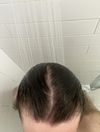
Hair loss is influenced by scalp tension, stress, and environmental factors, not just hormones. Treatments like tretinoin, microneedling, scalp massage, and Botox can reduce tension and improve hair health.
ShaneMorcs shared updated hair comparison photos and believes he's made progress. People commented on his improvement, asked about potential side effects, and inquired about the treatments he's using.
The conversation is about a person recovering from drug-induced malnourishment, regaining hair growth, and improving overall health. They attribute their progress to stopping drug use, focusing on nutrition, and possibly using hormone replacement therapy (HRT).
A user is concerned about hair loss in the temple area despite using Minoxidil and finasteride for 10 months and is curious if PP405 can help. Responses indicate uncertainty about PP405's effectiveness, with some optimism about future treatments and AI speeding up drug discovery, but emphasize waiting for clinical trial results.
The post and conversation are about a user experiencing hair regrowth after using Minoxidil 5% twice daily, topical finasteride 0.05% once daily, weekly microneedling, and ketoconazole shampoo. Other users noted visible progress and shared their own treatment experiences.
A user shared their 5-month hair loss treatment progress using oral finasteride, Regaine foam, 2DDR serum, and microneedling, noting improvements in hair growth at the crown and front. They are considering increasing microneedling frequency or adding a shampoo to their routine.
The user switched from Finasteride to oral Dutasteride 0.5mg and oral Minoxidil 2.5mg, along with microneedling and Nizoral shampoo, to combat hair thinning. They report progress but note limited improvement in the temples.
User tried topical finasteride mixed with minoxidil, Nizoral shampoo, oral minoxidil, and FUE hair transplant for hair loss. User asks when it's safe to trim hair after transplant and considers trying RU58841 or pyrilutamide.
A year-long journey of treating hair loss with finasteride, minoxidil, ketogenic diet, and microneedling, featuring before-and-after progress pictures.
A user shared their 4-month progress using a serum with Minoxidil 10%, Progesterone, Azelaic acid, Retinoic acid, Latanoprost, and Hydrocortisone, along with PRP and Fotona laser treatments. They are pleased with the results and plan to continue with more PRP and laser sessions, without using Finasteride.
The conversation discusses anticipation for CB-03-01, a potential new hair loss treatment that may be more effective and have a cleaner safety profile than finasteride. Users are hopeful but cautious, discussing current treatments like minoxidil, nizoral, and dermarolling, and the possibility of combining them with CB-03-01 for better results.
The conversation is about a user's one-year hair loss treatment using dutasteride, oral and topical minoxidil, ketoconazole, tretinoin, and PRP. Users discuss treatment effectiveness, potential issues with diffuse thinning, and sourcing affordable treatments.
The user is experiencing continued hair loss despite using minoxidil, finasteride, tretinoin, and microneedling. They are considering a hair transplant due to lack of response to current treatments.
A 25-year-old is experiencing chronic telogen effluvium (TE) and androgenetic alopecia (AGA) after surgery, using finasteride, red light therapy, and supplements, and considering oral minoxidil despite heart concerns. They are unsure whether to start minoxidil before or after an upcoming surgery, which may trigger another hair shed.
A 25-year-old shares progress on hair regrowth using finasteride, ketoconazole shampoo, Alpecin caffeine shampoo, and topical minoxidil, noting improved hair health but persistent temple thinning. They consider switching to oral minoxidil, adding microneedling, and possibly a hair transplant after one year.
A user in their 20s is experiencing hair growth after two months of using minoxidil and finasteride, focusing on the hairline and temple areas. They also addressed vitamin deficiencies (B12, D3, and iron) and are considering additional treatments like derma stamping.
Hmi115, a prolactin receptor blocker, showed promise for hair growth, but results from Phase 2 trials have not been published. ABS-201, an AI-based analog, is expected to begin trials in December 2025, while commercialization of treatments like PP-405 is anticipated around 2027.
Tiny blond hairs on the vertex may indicate early hair regrowth from using dutasteride and minoxidil. Consistent treatment is advised, with potential for thicker hair over time, but a hair transplant might be needed for significant results.
The user is experiencing early hair loss and is using finasteride, Rogaine, biotin, vitamin D3, and Nizoral. They are concerned about whether starting treatment early will help them keep their hair despite strong genetic predisposition to balding.
A 19-year-old reports positive hair regrowth using oral minoxidil and finasteride, with no side effects. The conversation includes advice on consulting a dermatologist and exploring alternative treatments.
A 26 year old female dealing with hair loss who is considering treatments such as Spiro, minoxidil and finasteride. Other potential solutions mentioned are PRP treatment, a wig, and bio-identical estrogen combined with bica.
People are eagerly awaiting the release of PP405, a new hair loss treatment. Some are using minoxidil and finasteride in the meantime, but there are concerns about scams and unverified products.
An 18-year-old experiencing mild hair thinning is prescribed ketoconazole shampoo, clobetasol, and a solution with minoxidil, finasteride, and tretinoin. They are hesitant to start finasteride due to concerns about systemic absorption and its impact on facial hair development.
PP405 is likely a scam, with concerns about its legitimacy and safety, as it may cause unintended tissue growth. Users suggest sticking to known treatments like finasteride and minoxidil.
A 5-year-old male considering using finasteride to prevent receding hairline, with suggestions ranging from topical minoxidil and estrogen treatments to hair transplantation and shaving.
The user experienced significant hair regrowth and improved hair quality after six months of using oral minoxidil, finasteride, and micro-needling. They reported increased libido initially but no other side effects, and they plan to continue the treatment.