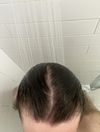
The user has been using a topical combination of finasteride and minoxidil for six months, with some progress noted. They also use Nizoral twice a week and plan to start microneedling.
A user's experience with microneedling monotherapy and potential treatments such as finasteride, minoxidil, Stemoxydine, rosemary oil, peppermint oil, and RU58841 for reversing hair loss.
A user who is using a combination of oral and topical treatments, including finasteride, minoxidil, pyrilutamide, dutasteride, microneedling, and ketoconazole shampoo in order to combat hair loss. Another user gave the original poster a word of warning about overusing the ketoconazole shampoo.
The user shared their 8-week hair regrowth progress using 0.5mg dutasteride, twice-daily topical minoxidil, and weekly 1.5mm microneedling. They noted visible improvement, though some users suggested reducing microneedling depth to avoid potential scalp damage.
The user is experiencing diffuse thinning and inflammation despite using 2.5mg dutasteride daily, ciclopirox, and ketoconazole shampoos. They are considering treatments like hydroxychloroquine and JAK inhibitors due to suspected scarring alopecia and have faced challenges in obtaining a scalp biopsy.
Setipiprant trial for hair loss failed, showing no difference between placebo and treatment. Discussion also noted placebo users reporting side effects.
The user is using a hair loss treatment involving dutasteride, minoxidil, finasteride, microneedling, and supplements like multivitamins, D3 K2, and Omega 3 fish oil. They are considering adding tretinoin and are open to suggestions while managing gut issues.
Avoid home-compounding topical minoxidil due to potential risks and complications. Use proper equipment and techniques to prevent aerosolization and ensure effective dissolution.
The user is trying RU58841, oral minoxidil, and dermarolling to combat hair loss caused by increased scalp testosterone after using finasteride and dutasteride. They plan to document their results.
The conversation humorously discusses using semen as a topical treatment for hair growth, with users joking about its effectiveness and comparing it to other treatments like finasteride. The tone is light-hearted and sarcastic, with no serious endorsement of the method.
The post discusses a user's successful hair regrowth after 3 months using 1 mg oral finasteride, oral minoxidil, weekly 1.5mm derma rolling, and Nizoral shampoo every other day, with no side effects. The conversation includes various responses, questions about the user's ethnicity and previous scalp condition, and suggestions for topical treatments.
Combining microneedling and tretinoin with topical minoxidil involves discontinuing tretinoin a week before microneedling and resuming it a week after. Some people microneedle weekly, adjusting tretinoin use accordingly.
The user reported using 1.1 mg finasteride, 5 mg minoxidil, 1 mg biotin, dermastamping twice a week, and Nizoral shampoo and anti-itch liquid. The replies praised the progress and suggested a follow-up at six months.
The post discusses using 2% ketoconazole shampoo as a competitive androgen receptor antagonist for hair loss, applied for 1.5 hours daily. The user questions its effectiveness and potential benefits compared to finasteride and minoxidil.
The conversation is about finding a pure high molecular weight hyaluronic acid for the scalp after microneedling. A user suggests using a product from The Ordinary.
Azelaic acid is discussed for its anti-inflammatory and anti-fungal properties, which can improve scalp health and potentially boost hair growth. It is suggested for topical use, especially alongside minoxidil.
The conversation discusses hair regrowth using finasteride, minoxidil pills, micro-needling, and Nizoral (ketoconazole) shampoo. Users suggest giving treatments at least a year to show results, with some recommending stronger treatments like dutasteride or a hair transplant.
The user shared progress pictures after 4 months of using topical finasteride, minoxidil, and Nizoral, noting significant hair improvement. They apply minoxidil once daily with a head massager and use 1% Nizoral 3-4 times a week, reporting no side effects.
The user shared their 3.5-month progress using topical minoxidil, ketoconazole shampoo, and dermarolling for hair loss, and plans to start finasteride. They experienced relief from scalp issues with ketoconazole and are managing side effects from minoxidil.
The user has been using topical minoxidil 6% and finasteride 0.05% once daily, along with microneedling, vitamins, and nizoral shampoo. They recently increased the topical treatments to twice daily for faster results, experiencing only initial shedding.
The user is exploring topical Saw Palmetto as a milder alternative to microdosing topical Finasteride for hair loss, aiming to minimize systemic DHT impact. They plan to experiment with this herbal remedy for a year to assess its effectiveness on their mild androgenetic alopecia without significant side effects.
A participant using Veradermics VDPHL01, an extended-release oral minoxidil, experienced significant hair regrowth from Norwood 6 to Norwood 3V without side effects. They plan to use dutasteride after the treatment to maintain results.
A user diagnosed with AGA is seeking advice on hair loss treatments, comparing topical Minoxidil, Spironolactone, and Finasteride to oral medications and natural methods like dermastamping, PRP, and LED light. They are concerned about side effects and effectiveness, especially given their existing fatigue.
Selenium sulfide shampoo helped with a sore scalp but may cause hair root damage. Users experienced hair loss with selenium sulfide and ketoconazole, suggesting reducing use if hair loss occurs.
The conversation is about using topical valproic acid (VPA) for hair loss, focusing on its application method, usage frequency, and combination with other treatments like micro-needling. No specific experiences with VPA were shared.
A user shared a 9-month hair loss treatment update using scalp micropigmentation (SMP), finasteride, minoxidil, derma pen, ketoconazole shampoo, and low-level laser therapy (LLLT), with plans for a hair transplant. Another person suggested increasing the dosage of finasteride and minoxidil and using a derma roller weekly.
The user has been using minoxidil, finasteride, dermastamping, and Nizoral for hair loss with initial success but is considering adding PRP due to slowed progress. Concerns about PRP include potential ineffectiveness and whether it could harm existing hair growth or interfere with current treatments.
The user is asking if using a 10% fluridil formulation would be effective for blocking scalp androgens in addition to their current treatment of oral dutasteride.