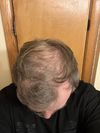
A 31-year-old man chose minoxidil over finasteride due to concerns about erectile dysfunction. He intends to seek another doctor's opinion on finasteride.
The user is experiencing positive hair growth after 3 months using 0.5mg dutasteride, 2.5mg oral minoxidil, topical minoxidil, dermastamping, and biotin shampoo, with some side effects like reduced libido and palpitations. They plan to continue treatment for a year before considering a hair transplant, as advised by another user who suggests waiting for full results from minoxidil and finasteride.
A 22-year-old male with a family history of baldness has been using finasteride for 3 months and previously used minoxidil. He is concerned about hair loss progression and seeks advice on whether to restart minoxidil and improve his lifestyle, while being advised to be patient with the treatment.
Cialis is used to manage erectile dysfunction caused by finasteride and dutasteride, with mixed results. Some users report improvement, while others consider stopping the medication due to side effects.
The user experienced significant hair loss after 9 months of using 0.5mg dutasteride and oral minoxidil, possibly due to alopecia areata. It is advised to consult a doctor for accurate diagnosis and treatment, as dutasteride and finasteride may not be effective.
A 19-year-old is using 2.5 mg oral minoxidil for hair loss and plans to add finasteride later, but is concerned about potential hair loss after starting finasteride. Others advise starting finasteride sooner to prevent further hair loss, noting that shedding is a normal part of the process.
The user has been on Finasteride for 13 months without results and plans to switch to Dutasteride. They are considering adding Minoxidil to prevent further hair loss and are seeking advice on the effectiveness of combining these treatments.
Finasteride users cannot donate blood due to potential risks to pregnant women, requiring a one-month cessation before donating. Dutasteride requires a six-month deferral, and topical applications are not restricted.
A 35-year-old man has been using Finasteride 1mg daily for 4.5 months with no noticeable effects on hair loss, and he is considering adding Minoxidil to his treatment. Other users suggest that significant improvements may take up to 18 months and recommend additional treatments like Minoxidil, microneedling, or switching to Dutasteride.
The user experienced hair regrowth and thickening after using minoxidil for three months and finasteride for two months, along with vitamin D and iron supplements. They reported softer erections as a side effect of finasteride but found the hair improvements worth it.
A 27-year-old male experienced significant hair regrowth in two months using a daily oral 3-in-1 pill containing 1.1mg finasteride, 5mg minoxidil, and 1mg biotin from LockLab, with no side effects reported. The user also uses a derma-stamp twice a week to promote blood flow and stimulate growth.
A 45-year-old man experienced positive hair regrowth using a combination pill of 5mg minoxidil, 1.1mg finasteride, and 1mg biotin over three months. He reported minimal side effects and prefers this treatment over hair transplants.
A user in their early 20s is concerned about minor hair thinning and is considering a hair loss regimen involving PRP sessions, mesotherapy with dutasteride injections, and low-dose finasteride. They dislike minoxidil due to its greasiness and prefer a routine that is easy to maintain.
A user is seeking advice on creating a topical solution combining minoxidil, finasteride, and tretinoin for hair loss, and is unsure about optimal concentrations and availability. Another user shares their custom formula with tretinoin 0.015%, finasteride 0.025%, and minoxidil 5%, and mentions taking oral dutasteride 0.25mg daily.
The user experienced significant hair regrowth using finasteride for 9 months and minoxidil foam for 2.5 months, with minimal side effects. Hair thickening was noticed after 4-5 months, with no significant shedding.
The user experienced significant hair regrowth using 5% topical minoxidil and 1mg finasteride daily, despite multiple shedding phases, and emphasizes the importance of starting treatment early and maintaining consistency. They advise against obsessing over online forums during shedding periods and recommend checking for scalp conditions like seborrheic dermatitis and ensuring proper nutrition.
Hair loss treatments like minoxidil, finasteride, and dutasteride, with mixed results and suggestions for combining treatments or considering hair transplants. Some users experience no improvement or side effects.
The user has been using finasteride for years and recently started using minoxidil foam, noticing some increased hair density and vellus hairs after one month. They report no scalp issues or side effects and also use a ketoconazole shampoo weekly.
Dutasteride treatment may decrease sperm concentration, but levels remain above WHO recommendations and recover after discontinuation. The study has limitations, including small sample size and lack of pre-treatment sperm data, and does not assess other fertility factors.
The user has been using finasteride for 30 years and recently added colostrum to their routine, noticing darker hair regrowth. They experienced shedding with minoxidil and advise against its use, while highlighting the benefits and side effects of long-term finasteride use.
Microneedling is debated for hair loss treatment, with some users finding it beneficial for minoxidil absorption and others skeptical of its effectiveness. Alternatives like finasteride and minoxidil are recommended, while tools like dermarollers, dermapens, and dermastamps are discussed for their pros and cons.
The user had two FUT hair transplants with 4,600 grafts for increased density, costing about $11,000 each, and has been using oral minoxidil and finasteride for over five years without side effects. The results are natural-looking with no visible scarring, and the user finds the procedure valuable despite the cost.
The conversation is about a user switching from finasteride to dutasteride after 4 years due to continued hair recession and miniaturization. The user plans to gradually increase to 1mg of dutasteride daily.
The user has been using oral dutasteride 0.5mg, oral minoxidil 2mg, and topical minoxidil 5% for hair regrowth, along with microneedling. They have seen significant hair coverage improvement and are considering additional supplements for better results.
Follicopeptide (FOL005) by Coegin Pharma will launch as a cosmetic hair growth treatment by Q2 2025, showing similar efficacy to finasteride. Users discuss the benefits and skepticism of releasing hair loss treatments as cosmetics rather than drugs.
A 20-year-old reports worsening hair loss despite using dutasteride and minoxidil, and considers a hair transplant. Users suggest continuing treatments, trying microneedling, ketoconazole shampoo, switching to finasteride, or adding tretinoin.
The conversation is about the effectiveness of hair loss treatments like finasteride, dutasteride, and minoxidil. Users agree these treatments help maintain hair but don't guarantee miraculous regrowth, emphasizing early intervention for best results.
Caffeine might raise stress hormones, potentially worsening hair loss. Telogen effluvium is often misattributed to minor stressors rather than significant life events.
Balding can be traumatic for many, affecting self-esteem and social interactions, while others accept it more easily. Treatments mentioned include finasteride, minoxidil, and RU58841.