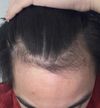
The conversation is about young men under 20 experiencing hair loss. They discuss their experiences and treatments used, including finasteride (fin) and minoxidil (min).
The user has been using finasteride for 18 years to manage hair loss and is considering starting minoxidil and possibly a hair transplant. Despite some regrowth, they are exploring additional treatments like dutasteride and oral minoxidil due to continued hair thinning.
A user shared their experience of hair loss progression after one year on dutasteride, expressing disappointment with no improvement and considering other treatments like RU58841. Other users offered mixed responses, some seeing no change, others suggesting the hair loss might have been worse without treatment, and discussing the role of testosterone and DHT in hair loss.
A 31-year-old male shared his 3-year progress using finasteride 1 mg daily, with additional treatments including nutrafol, multivitamins, vitamin D, marine collagen, PRP scalp injections, micro-needling, and Nizoral. He experienced temporary libido issues but currently has no side effects.
User starts Nuclear Stack treatment for hair loss, including Dutasteride, Minoxidil, RU58841, Derminator 2, and supplements. Seeks advice on storing and dosing RU58841.
A 22-year-old underwent a hair transplant in Bangkok, using 2,500 grafts, and has been using dutasteride and minoxidil to stabilize hair loss. The user chose the procedure to enjoy youthful confidence, despite some opinions that it's too early for a transplant.
User shares 8-month progress on oral finasteride and minoxidil, noting initial success followed by a second shed. They seek advice on drug resistance and pill efficacy, with responses suggesting to push through the shed and consider the impact of cycling off minoxidil.
Finasteride can affect hormone levels, potentially causing symptoms like puffy nipples and testicular pain, and may result in elevated prolactin and high testosterone. The user is seeking interpretation of these changes after taking finasteride.
The user is experiencing increased hair loss and was diagnosed with male pattern baldness. They are considering using oral or topical finasteride to manage the condition and are contemplating cutting their hair short.
The user is questioning if they are experiencing hair regrowth after using topical Minoxidil for 4-5 months, noting increased body hair but uncertain head hair changes. Other users suggest the appearance is due to a natural cowlick rather than balding.
A 20-year-old lost significant hair after one year of treatment, using minoxidil, finasteride, and later dutasteride. They are considering adding RU58841 but are advised to return to finasteride and minoxidil for a year before deciding.
A 34-year-old male experienced significant hair regrowth and increased density after 20 months of using 1.25 mg of finasteride daily, with no noticeable side effects. He did not use minoxidil due to adverse effects and plans to consider adding dutasteride weekly for further improvement.
A 19-year-old has been using oral finasteride and minoxidil for a year without noticeable results. Suggestions include adding derma-stamping, increasing ketoconazole shampoo use, and considering vitamin D testing, while acknowledging that response times vary.
The user is experiencing hair thickening with oral minoxidil but notices worsening hairline and considers starting finasteride despite concerns about gynecomastia. They are also considering using Latisse on their hairline and seek advice on potential outcomes and experiences with these treatments.
A 22-year-old male switched from finasteride to dutasteride 90 days ago, noticing decreased shedding initially but recently experiencing increased shedding of healthy, thick hair. He uses minoxidil with tretinoin and washes his hair daily, hoping the shedding will stabilize in a month or two.
The conversation is about a user's impressive hair recovery over 14 months using 0.5mg dutasteride, 5% topical minoxidil, saw palmetto shampoo, and occasional microneedling. The results are highly praised by others, with many expressing admiration and hope for similar outcomes.
User reports five months progress on finasteride and oral minoxidil, with thicker hair and no visible scalp. Started at 2.50mg and increased to 10mg without side effects.
The user experienced noticeable hair thickening and new growth after two months using a topical solution of minoxidil and finasteride. Continued improvement is expected, with potential for a full head of hair after further treatment and possibly a transplant.
The user experienced hair regrowth and strengthening using finasteride, minoxidil, micro-needling, Nizoral, and biotin products. Despite progress, they acknowledge that a hair transplant may be needed for full hairline restoration.
A 24-year-old male is experiencing a receding hairline and is advised to use topical minoxidil for hair regrowth, while being cautious about finasteride due to potential side effects. Adding ketoconazole shampoo is suggested for scalp health, and consistent use of minoxidil is recommended for noticeable results in 3-6 months.
User started oral finasteride 0.33mg daily and later made a topical solution with cetirizine and stemoxydine. They experienced hair growth progress after 8-9 months and discussed factors affecting their results.
A 31-year-old male shared his 4.5-month progress using finasteride, topical minoxidil, and dutasteride mesotherapy for hair loss, showing significant improvement in crown density and overall hair texture. He reported no side effects and plans to continue the treatment to assess further results.
A 46-year-old shared their successful hair regrowth journey using topical minoxidil, oral finasteride, ketoconazole shampoo, oral minoxidil, and head massages with lavender and peppermint oil, with noticeable improvement and no significant side effects except for darker eyelashes. They encourage others to try these treatments.
A 54-year-old user shares progress after 3 years on dutasteride, following 15 years on finasteride, using 0.5 mg/day dutasteride, topical minoxidil every other day, and a peptide serum on alternate days. They experienced a significant shed during the transition but are now maintaining hair, noticing some new growth along the hairline.
A user is experiencing hair regrowth after 2.5 months using dutasteride and a daily spray containing finasteride, minoxidil, biotin, and ketoconazole. They are optimistic about continued progress and have noticed new dark hairs forming.
The user started using topical minoxidil, oral finasteride, GHK-CU, and HGH in October, resulting in thicker hair and improved overall health. They experienced minor side effects like dehydration from HGH but reported benefits like clearer skin, better recovery, and muscle gain.
Maximum serum DHT suppression for finasteride occurs at 8 hours, while for dutasteride, it occurs within 1 to 2 weeks with daily dosing. Dutasteride mesotherapy will be followed by blood tests to check serum DHT changes.
A 17-year-old is experiencing rapid hair loss from NW1.5 to NW3 in six months and feels dermatologists are unhelpful. They are using Minoxidil (Rogaine) and seeking advice on application.
A 19-year-old is experiencing severe shedding after two months of using topical minoxidil for hairline treatment and is curious about potential regrowth. They plan to wait before starting finasteride, while another user advises that shedding is common and suggests monitoring progress, with possible regrowth in 6 to 12 months.
A 20-year-old started taking 1mg oral finasteride and 3mg oral minoxidil every other day for hair loss. They plan to focus on their hair and health over the summer and will update in November.