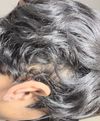
The user experienced anxiety, dizziness, and fatigue after starting finasteride and is seeking advice on whether to continue, adjust the dose, or consult a doctor. They stopped taking finasteride and are unsure if it caused their symptoms.
A user shared progress pictures 1.5 months after a hair transplant of 3500 grafts, using oral finasteride, topical finasteride, minoxidil, and vitamins. They are concerned about potential shock loss and the thinning appearance.
Caffeine may interfere with oral minoxidil because caffeine increases blood pressure while minoxidil lowers it. Users discuss potential interactions and effects on hair loss treatment.
A 19-year-old tried oral minoxidil and finasteride for hair loss but experienced side effects like fatigue, dry eyes, and lack of motivation, leading to discontinuation. Suggestions included trying topical treatments, dutasteride, or accepting hair loss.
PP405 is a potential hair loss treatment, but its safety and effectiveness are uncertain. Users advise caution and suggest waiting for more data before purchasing unverified versions.
RU58841 may cause heart-related side effects like palpitations and chest pain, though evidence is mostly anecdotal. Users report mixed experiences, with some stopping due to side effects and others using it without issues, but concerns about its safety and sourcing remain.
The conversation discusses patient updates on hair loss treatment with Verteporfin after five months, as reported by Dr. Blake Bloxham. Patients voluntarily sent their progress pictures to Dr. Bloxham.
User experienced shortness of breath, high blood pressure, red eyes, and eye floaters after using RU58841 for hair loss. They warn others to avoid RU58841 and stick to finasteride, minoxidil, and dutasteride.
Exosomes, cetirizine, melatonin, latanoprost, and caffeine are discussed as potential hair loss treatments. There is skepticism about the effectiveness of exosomes, especially in topical form, but some users report positive results.
The user experienced sexual side effects from finasteride and switched to using only topical minoxidil without side effects. They are seeking alternatives to finasteride, such as topical finasteride, to maintain hair without adverse effects.
The conversation is about a user who experienced negative side effects and poor sleep after using an impure hair loss treatment 'CB' from Wuhan Hengheda Pharm, which did not offer a refund or proper customer service. The user had the product tested, confirming its impurity.
A 24-year-old male started using finasteride and minoxidil for hair loss, noticing reduced hair fall but continued temple and frontal recession. He uses both oral and topical minoxidil, biotin, vitamin D, and coal tar shampoo, and experiences rare heart palpitations.
The conversation discusses diffuse unpatterned alopecia (DUPA) and its possible causes, including sensitivity to DHT, not being androgenic alopecia, being diffuse alopecia areata, or hormonal issues. Treatments mentioned include topical melatonin, Clobetasol Propionate for alopecia areata, and the lack of results from using finasteride, dutasteride, and minoxidil.
People who had posted about using pyrilutamide for hair loss, but did not return with an update; the potential side effects of pyrilutamide, RU58841 and other treatments such as minoxidil and finasteride were discussed.
The user is experiencing hair improvement in the central and back areas after using finasteride, minoxidil, and a galenic lotion, but the temple area is worsening. They suspect the lotion might be causing the issue and are considering stopping its use.
A user regrets not starting hair loss treatments like Minoxidil, finasteride, or RU58841 sooner. Others comment on hair loss patterns and concerns about side effects.
A user is seeking advice on treating a chin scar with Verteporfin, noting that higher doses were more effective. Another user responds that they do not use it, without providing further explanation.
The conversation is about the effectiveness of Stemoxydine for hair loss. The user reports reduced hair shedding after one week but also a more noticeably thinned scalp.
The conversation is about using a topical solution of latanoprost and minoxidil for hair loss, with concerns about side effects due to a history of gynecomastia. The user is considering this treatment instead of finasteride and is seeking experiences from others.
A user experienced chest discomfort after taking finasteride for hair loss and is concerned about whether it is a side effect or an allergy. They are advised to consult a doctor and consider other hair loss treatments if necessary.
The conversation is about managing scalp irritation caused by minoxidil use. Suggestions include switching to foam, using fluocinonide topical solution, trying lipogaine for sensitive skin, and considering low-dose oral minoxidil.
The user is experiencing severe hair loss, possibly due to telogen effluvium, after stress, poor nutrition, and hormonal changes. They are using Nizoral and supplements but are considering hormonal treatments like spironolactone despite previous side effects.
Cetirizine 10mg daily reduced hair shedding by 50% and lessened scalp itchiness. The user is considering long-term use for scalp inflammation and hair loss.
The conversation is about a user obtaining a compounded treatment for hair loss, including 0.1% latanoprost, 0.2% melatonin, and 1% cetirizine. The user also uses 2.5 mg dutasteride, 5 mg minoxidil, and RU58841 daily, and is at Norwood 2.