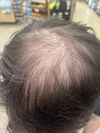
User baldwarrior85 regrets not starting finasteride earlier to prevent hair loss. Others share their experiences, with some having side effects and others seeing positive results from the treatment.
The post argues for teenage use of finasteride to prevent hair loss, citing minimal side effects and personal success. Replies criticize the advice, highlighting potential developmental risks and questioning the safety of finasteride for teenagers.
A 21-year-old seeks advice on how to present hair thinning to a dermatologist to obtain a finasteride prescription. Suggestions include showing visible signs of thinning, bringing photos, and considering telehealth services.
The conversation discusses using topical dutasteride as an alternative to oral finasteride to prevent hair shedding caused by creatine supplementation. Users share experiences with finasteride, dutasteride, and creatine, noting potential side effects and effectiveness concerns with topical treatments.
Increasing dutasteride to 2.5 mg daily and adding 2.5 mg oral minoxidil to prevent hair loss during a testosterone cycle. Suggestions include adding RU58841 for better protection against hair loss.
The conversation is about using pyrilutamide and RU58841 as topical solutions to prevent hair loss. Pyrilutamide is considered safer but less potent than RU58841, which some users find effective despite potential side effects like heart palpitations.
A user shared their positive experience using 1mg finasteride daily for two years to prevent further hair loss, with no side effects. They noticed gradual improvement after one year and have no plans to add other treatments like minoxidil.
MCL-1 protein may help maintain hair follicles in the growth phase and prevent miniaturization. There is interest in experimental treatments like exosomes, peptides, or stem cell serums to upregulate MCL-1 for hair loss, especially for those not using minoxidil or finasteride.
Long-term use of oral minoxidil and finasteride can effectively maintain hair and prevent hair loss. Some users also discuss using dutasteride and note potential side effects like testicle pain.
The user has been using finasteride and minoxidil for 5 years to prevent hair loss and is considering adding dutasteride for regrowth or opting for a hair transplant. Suggestions include trying dutasteride, oral minoxidil, microneedling, and possibly a hair transplant for better results.
OP experienced side effects from finasteride and is considering using RU58841 to prevent hair loss during a testosterone cycle. They have also used minoxidil, Nizoral, alfatradiol, and fluridil successfully.
A user started taking 0.25mg of finasteride every other day to prevent hair loss and documented their experience. Initially, they felt anxious and had headaches, but by the second week, they felt normal with no side effects or changes in hair.
The conversation discusses starting Minoxidil for hair loss and suggests also using finasteride to prevent further balding. Minoxidil is expected to thicken current hair, but won't stop hair follicles from dying.
The conversation is about the appropriate wait time to apply topical finasteride after microneedling to prevent it from going systemic. The user is combining finasteride with minoxidil and is unsure whether to wait 24 or 48 hours after microneedling before applying the treatment.
Minoxidil helps regrow hair, while finasteride prevents hair loss. It's common to use both for androgenetic alopecia; consult your doctor if unsure about the treatment plan.
Pyrilutamide should be applied before topical minoxidil and finasteride, allowing time between applications to prevent degradation from water. Users discuss the order and timing of applying these treatments for hair loss.
An 18-year-old experiencing rapid hair loss is advised to use Minoxidil and finasteride to regrow hair and prevent further loss. Patience is recommended as these treatments take time to show results.
A 21-year-old male recently had a hair transplant and is considering starting finasteride to prevent further hair loss. Finasteride can be started immediately to maintain existing hair, with potential side effects like decreased libido, and results may take several months.
After a hair transplant, using finasteride and minoxidil is common to support graft survival and prevent future hair loss. Dermastamping can enhance effectiveness, while saw palmetto may offer weak DHT blocking benefits.
A 21-year-old male is experiencing hair loss and plans to see a dermatologist and take hair growth pills to prevent further balding and possibly aid facial hair growth. Another user suggests using minoxidil, which has shown results for them after four months.
A 23-year-old has been using finasteride 5mg daily since age 19 and added dutasteride 0.5mg twice a week to prevent hairline recession. They report no side effects and credit early treatment for maintaining their hair.
The conversation discusses concerns about RU58841 degrading when exposed to light and transferring pyri to a dark glass bottle to prevent this. The user keeps the pyri out for only two minutes before storing it in a dark place.
The conversation discusses the use of a derma roller versus a derma stamp for microneedling to prevent hair loss. The user has been using topical minoxidil for 2 months without results and seeks advice on needle length.
A 28-year-old is considering using topical 0.3% finasteride and 6% minoxidil spray to prevent further hairline recession. They are unsure if this treatment is too drastic for their current level of hair loss and seek advice on application methods.
The conversation discusses using aromatase inhibitors with dutasteride or finasteride for hair loss, which can prevent testosterone from turning into estrogen but may lead to increased DHT and potentially make finasteride less effective. There's concern about proper dosing and side effects like gynecomastia and emotional changes.
Castor oil is being considered for hair thinning, with some users noting it may prevent hair breakage but not affect DHT-related hair loss. Some users report mixed results, with one mentioning increased body hair growth from oral consumption.
Combining anastrozole with finasteride/dutasteride may affect hair, as anastrozole prevents testosterone from converting to estrogen, potentially increasing DHT. Users suggest using the lowest effective dose of anastrozole.
DUPA is considered more treatable than FAPD, as FAPD involves scarring that prevents hair regrowth. The user has started treatment with oral dutasteride and minoxidil, hoping for better results than previous treatments.
A user is upset about hair loss due to seborrheic dermatitis and DUPA, which prevents a hair transplant. They mention using jojoba oil and discuss treatments like Minoxidil, finasteride, and RU58841.