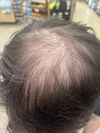
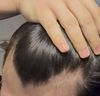
The conversation discusses using Cedarwood, Rosemary, and Lavender essential oils for hair growth and preventing hair loss. The user plans to apply Cedarwood oil daily.
Despite using finasteride, minoxidil, and RU58841, the user is experiencing slow hair loss, particularly at the hairline, and is considering additional treatments like microneedling and possibly switching to dutasteride. Concerns about medication side effects, such as reduced sperm count and performance anxiety, are also discussed.
A 21-year-old male is experiencing hair loss and plans to see a dermatologist and take hair growth pills to prevent further balding and possibly aid facial hair growth. Another user suggests using minoxidil, which has shown results for them after four months.
GT20029 and PP405 are discussed as potential alternatives or complements to finasteride for hair loss treatment. GT20029 is entering phase 3 trials, while PP405 is seen as promising for regrowing hair and possibly eliminating the need for other treatments.
A 28-year-old is considering using topical 0.3% finasteride and 6% minoxidil spray to prevent further hairline recession. They are unsure if this treatment is too drastic for their current level of hair loss and seek advice on application methods.
The post and conversation are about hair loss treatments that have been found to be effective in studies. There are 19 different treatments mentioned, including oral minoxidil, oral dutasteride, topical finasteride, RU58841, and more. The best treatment for an individual depends on factors like availability, cost, side effects, and personal preferences.
Ketoconazole shampoo helps reduce hair shedding and improve thickness for some, but can cause dryness or irritation. Its effectiveness compared to finasteride or minoxidil varies among users.
A user reports improved hair at 31 compared to 21 using dutasteride, oral minoxidil, and Nizoral shampoo, with significant gains from oral minoxidil. Other users discuss their experiences, with mixed results on regrowth and side effects like heart racing and excess body hair.
Oral minoxidil may improve hair growth, reduce arterial stiffness, and prevent other health issues. Some users believe it is an effective treatment despite concerns about its effects on skin and blood.
An 18-year-old is maintaining a stable hairline using Minoxidil, topical finasteride (Fynzur), and Dermastamp, and is considering adding oral finasteride for prevention. They seek advice on whether starting oral finasteride early is necessary given their family history and current regimen.
A user asked about Dr. Berg's recommended supplements for hair health, including Vitamin C, trace minerals, Omega 3, collagen, silica, B-vitamins, stinging nettle root, B6, B2, copper, and Vitamin D. Responses advised against following Dr. Berg, labeling him a quack, and suggested that only stinging nettle root might help with DHT, while the rest are only beneficial if deficient.
The conversation discusses preventing infection from derma stamping for hair loss treatment, with suggestions to reduce needle depth and consider alternatives like tretinoin. The user experienced irritation possibly from zinc chloride and stopped using the shampoo and derma stamping.
Finasteride and dutasteride are discussed as preventative treatments for hair loss, with some advocating for early use and others concerned about side effects, especially before full maturity. Many regret not starting these treatments earlier due to their effectiveness in preventing or slowing hair loss.
Finasteride is effective and affordable for preventing hair loss but may cause side effects like low libido. Some users combine it with minoxidil for better results, while others consider alternatives like dutasteride due to side effects.
KX-826 did not maintain hair loss prevention for users. Some switched to Pyrilutamide but returned to Minoxidil and RU58841 due to worsening conditions.
The conversation discusses a hair loss prevention regimen using a custom topical treatment with Dutasteride, Minoxidil, Latanoprost, Cetirizine, Tretinoin, Vitamin D3, and caffeine, along with supplements like iron, selenium, vitamin D, and vitamin B. The user advises against expensive treatments like LLLT caps and unnecessary natural supplements.
Woman uses antiandrogens for hair thinning prevention, experiences severe dry eye with finasteride. Asks if dutasteride could be better despite potential for worse dry eye.
Switching to dutasteride as a hair loss prevention treatment, along with minoxidil, dermarolling and nizoral shampoo, and the potential benefits and side effects of using finasteride and/or dutasteride in combination with topical anti-androgens like RU58841.
Finasteride is essential for hair loss prevention, while minoxidil is optional. Additional treatments include a natural shampoo, a healthy diet, scalp massages, microneedling, laser therapy, and supplements like fish oils and biotin.
The user is considering starting finasteride for hair loss prevention, expressing concerns about potential side effects like reduced libido and erectile dysfunction. They are currently taking saw palmetto, vitamin D, zinc, vitamin C, and biotin but are unsure if these will be effective.
A 15-year-old is seeking advice on preventing hair loss, identified as Norwood level 2, and wants tips for growing long hair. They have consulted a trichologist who recommended specific shampoos.
Reducing scalp DHT doesn't directly correlate with preventing hair miniaturization, as different follicles have varying sensitivity levels. Dutasteride at 0.5 mg and 2.5 mg shows minimal visual difference in hair regrowth, with side effects being a consideration for higher doses.
The user shared their experience with dutasteride for hair loss prevention, noting side effects like muscle weakness and brain fog, and observed increased testosterone levels. They recommend starting with a low dose and adjusting based on individual needs and blood work results.
An 18-year-old is using finasteride for hair loss prevention despite having a healthy hairline. Opinions are mixed, with some advising against its use at his age and others supporting his proactive approach.
Maintaining good hair density is more important than preventing a receding hairline, as it can enhance a mature look. Treatments discussed include finasteride, minoxidil, dutasteride, and RU58841.
The user discovered that a buildup of sebum and residue was preventing Minoxidil and finasteride from working effectively. After thorough scalp cleaning, hair shedding reduced significantly, and microneedling became more effective.
The conversation discusses making a RU58841 solution for hair loss prevention and includes personal experiences with using RU58841 and minoxidil for hair regrowth, with a mention of monitoring health effects.
The conversation is about comparing the effectiveness of fluridil and clascoterone in preventing hair loss and inquiring about their use as standalone treatments. There is a question about the concentration of the fluridil brand for efficacy.
The conversation is about a product's effectiveness in preventing hair loss. Specific treatments mentioned include Minoxidil, finasteride, and RU58841.