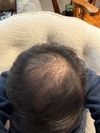
Injectable GHK-CU and BPC157 were discussed for hair loss, but users did not notice significant hair changes. BPC157 was noted to help with shoulder issues.
A user with PCOS experienced hair loss and found success using a triple dose of O.N.E Omega by Pure Encapsulations after discovering low Omega fatty acids. Biotin provided minimal improvement, but the Omega supplement significantly restored hair.
The conversation discusses managing estradiol problems during finasteride treatment. Suggestions include stopping finasteride every 3 months for 2-3 weeks or reducing the dosage.
The conversation discusses using topical Calcipotriol and Valproic Acid for hair loss, focusing on their mechanisms involving the VDR receptor and Wnt/beta-catenin pathway. Specific treatments mentioned are Minoxidil, Finasteride, and RU58841.
A 35 year old male who has seen good results from Finasteride and microneedling, with minimal side effects. Replies to the post ask about the device used for microneedling, discuss the progress made, and offer encouragement.
A 26-year-old male is still experiencing hair loss after a year of using Dutasteride and is considering using CB0301 (Breezula) to block all androgens on his follicles. He is looking for a reliable source to purchase CB0301 and inquires about the availability of a premade solution.
The user has been using 5% minoxidil once daily and microneedling with a 1.5 mm dermaroller weekly for three months, considering increasing minoxidil usage but avoiding finasteride due to libido concerns. Another person suggests considering other treatments like RU58841, alfatradiol, topical finasteride, clascoterone, or saw palmetto since not using a DHT blocker could be less effective.
Applying hair loss treatments like minoxidil and finasteride, with concerns about side effects and application timing. Some users experience side effects, while others manage without issues, and there's interest in future treatments like pyrilutamide.
PP405, developed by Pelage Pharmaceuticals, can reactivate dormant hair follicle stem cells and increase hair growth by 20% in eight weeks, unlike minoxidil or finasteride. However, skepticism remains about its effectiveness and availability, with concerns about funding and the timeline for broader access.
The user has been using 1mg finasteride daily, 2.5mg minoxidil daily, topical tretinoin three times a week, and topical minoxidil daily from June 2023 to June 2025 without noticeable improvement in hair loss. Suggestions include switching to dutasteride and increasing oral minoxidil to 5mg daily, but concerns about long-term health effects are raised.
User shows temple area progress after hair transplant, using DUT every other day and oral Min 2.5 daily. Another user asks about number of grafts and cost.
The user follows an intensive hair loss protocol including dutasteride, biotin, black tea, pumpkin seed oil, peppermint shampoo, rosemary conditioner, mukemame, soy milk, lycopene, garlic, magnesium, chamomile, spicy food, citrus bergamot, zinc, multivitamins, kefir, and Greek yogurt. They plan to alternate between pumpkin seed oil and safflower oil and will share before and after pictures.
A user has been using 1mg oral finasteride and 5% topical minoxidil for six months, with some derma stamping, but feels hair growth has stagnated and is considering PRP or a hair transplant. Others advise continuing the current regimen, noting that maintaining existing hair is an achievement, and suggest ignoring negative comments from friends.
Dr. Muñoz's discovery suggests that targeting potassium channels in fibroblasts could reactivate hair growth, offering new treatment possibilities for alopecia. Potential strategies include using minoxidil, diazoxide, and other potassium channel openers, as well as bioelectric devices and direct growth factor applications.
Combining microneedling with Low Level Laser Therapy (LLLT) for hair growth, with discussions on device legitimacy and effectiveness. Alternatives like PEMF and the use of oral and topical treatments such as dutasteride, minoxidil, and finasteride are also considered.
The user plans to switch from topical to oral finasteride (1mg/day) and minoxidil (3mg/day) due to unsatisfactory results with topical treatments. They seek advice on the effectiveness, potential side effects, and the timing for considering a hair transplant, with recommendations to monitor health metrics like blood pressure and conduct thorough bloodwork before starting.
People are excited about a new hair loss treatment, PP405, and some suggest using Twitter to increase its visibility. Current treatments mentioned include finasteride, minoxidil, and dutasteride, but skepticism remains about the effectiveness of new treatments.
A 32-year-old male is considering options to soften a dense transplanted hairline after experiencing accelerated hair loss and intolerance to finasteride and dutasteride, while using minoxidil. He is exploring partial electrolysis or laser treatments to achieve a natural look with a short buzz cut, avoiding a second transplant or scalp micropigmentation.
The user is considering switching from topical Minoxidil to oral Minoxidil due to concerns about maintaining a topical routine. They have already started finasteride and are trying to prevent further hair loss progression.
Finasteride was intentionally developed to treat BPH and later approved for male pattern baldness (MPB) due to its 5AR inhibition effects. The delay in MPB approval was due to concerns about off-label use for female hirsutism and the prioritization of treating a more debilitating condition.
The conversation discusses preventative hair care measures for hair loss, focusing on non-prescription treatments like rosemary, peppermint, castor oils, microneedling, and ketoconazole shampoo. It also touches on the use of finasteride, minoxidil, and RU58841 for those experiencing hair loss.
IGFBP‐rP1 shows potential for treating androgenic alopecia by influencing hair cycle transitions. Increasing IGF-1 levels may have similar effects to Minoxidil and 5-AR inhibitors in reducing hair loss.
User's 2-month progress with hair loss treatment includes Ket 3x a week, Min 2x a day, Dut 0.5 every other day, Vit D 125mcg daily, and PRP once a month. Users discuss treatment effectiveness, side effects, and alternative solutions.
The conversation discusses concerns about using a high concentration of 1% topical finasteride for hairline balding, with some users suggesting starting with a lower dose. It also mentions the use of GHK-CU peptide and the importance of considering the formulation to avoid excessive absorption.
The user has been on finasteride for 16 months and is considering natural remedies like peppermint oil, rosemary oil, saw palmetto, green tea extract, l-lysine, and oral castor oil to enhance hair growth in addition to finasteride. They are interested in the potential benefits of combining these natural treatments with finasteride to improve hair loss outcomes.

User "hemantch" shares 5 months progress using topical Fin, Min, topical Dut, and a laser cap for hair loss. Significant regrowth was noticed after 1 month, and the treatments worked well despite being bald for 10 years.
A user is making a homemade topical finasteride solution by dissolving crushed finasteride tablets in ethanol and PG. They are unsure if the final solution maintains the intended concentration after filtering and are considering adding more ethanol to ensure accuracy.